
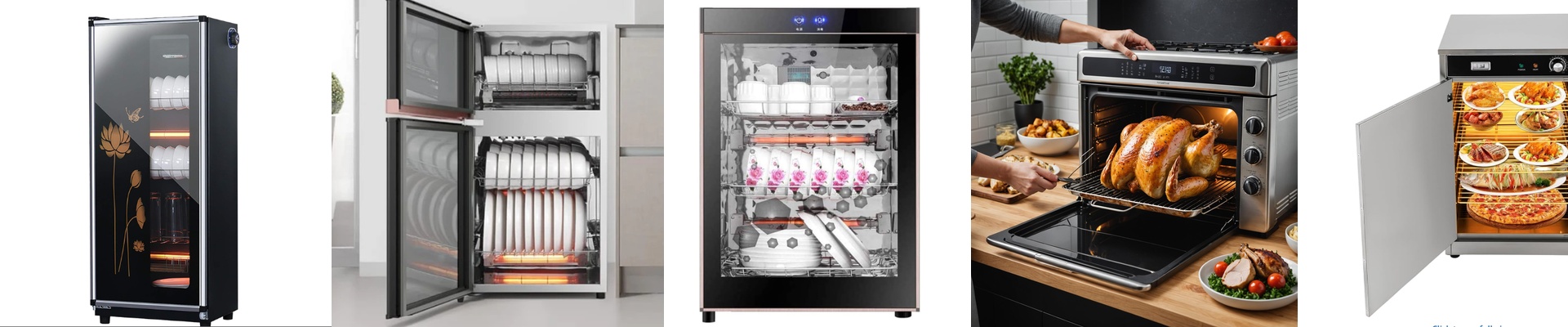

Getting Your Automated Kitchen’s Heat Just Right
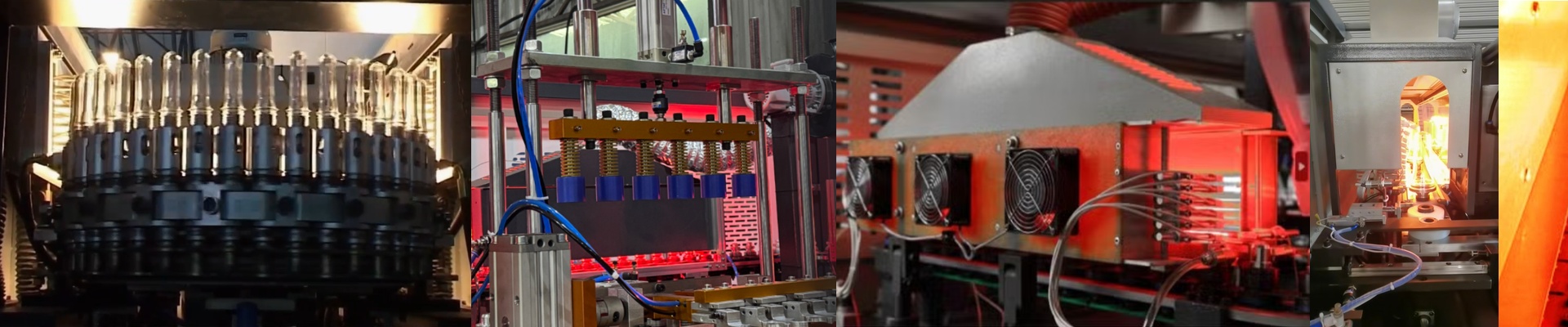
When you’re building an automated kitchen, raw power isn’t the answer. You can throw all the wattage you want at a convection oven, but it’ll still feel sluggish. That’s why we use short-wave infrared lamps. Instead of waiting for the air to get hot first, these lamps beam energy straight into the food. It’s almost instant. The secret to steady heat To make this work, we hook the heaters up to the main PLC using PID controllers and Solid State Relays (SSRs). This lets us use something called pulse-width modulation. Basically, the system flickers the power on and off so fast that you can keep the temperature within a tiny ±1°C window. If you try to do this with a old-school mechanical contactor, you’ll get these huge temperature swings that just ruin the meal. SSRs let the system “throttle” the heat in real-time, keeping things smooth. The tricky parts Now, high-density lamps are the fastest way to ramp up the heat, but they’re hungry. They put a massive load on your wiring. I always suggest using heavy-gauge cabling. If you don’t, you’ll deal with voltage drops across those long runs in a big production line, and nothing will work the way it should. And here’s another thing: you have to balance the lamps with your fans. If the fans are blowing too hard, they’ll actually strip the heat away before the infrared can do its job. You’ve got to tune the fan speed to match the wattage of the lamp. It’s a bit of a balancing act. Built for the chaos of a kitchen Every chassis is different, so we don’t do “one size fits all.” We customize the lamp length and the connectors so they just drop right in. We use standard sockets too, because the last thing you want is a wiring mistake during a field install. We also pay a lot of attention to the quartz envelope. These lamps get slammed with rapid on-off cycles, so they need to handle thermal shock without cracking. Plus, kitchens are greasy and humid. We use reinforced seals to keep that junk out of the electrical contacts. It stops the sockets from burning out, which means you aren’t calling us for a repair every two weeks.