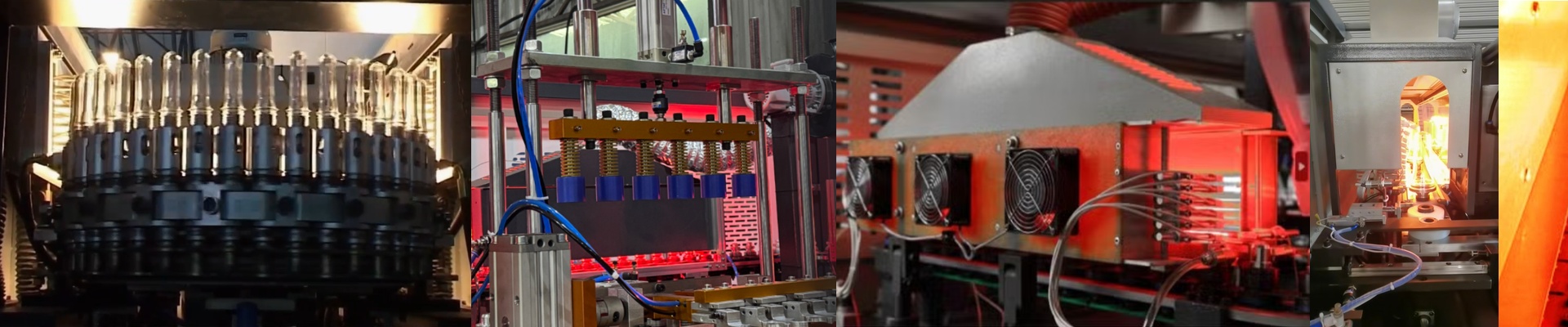
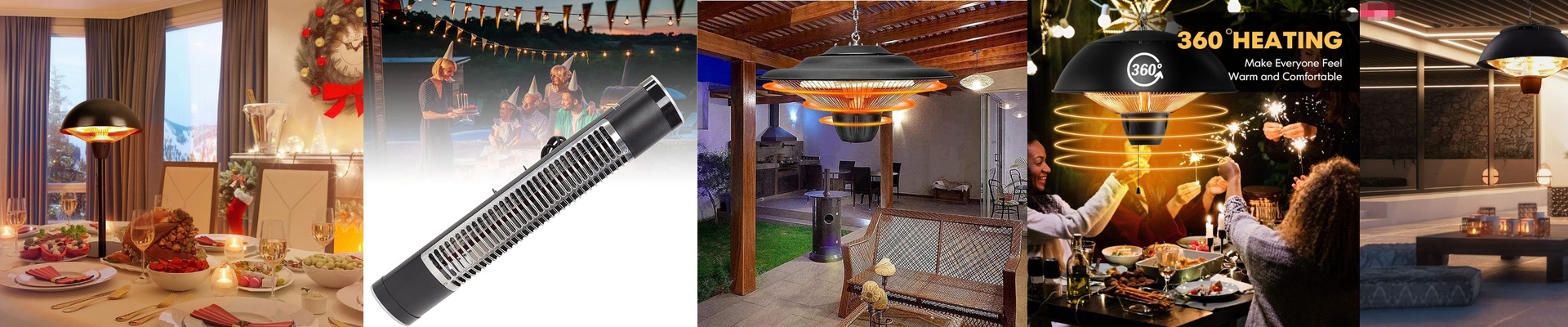
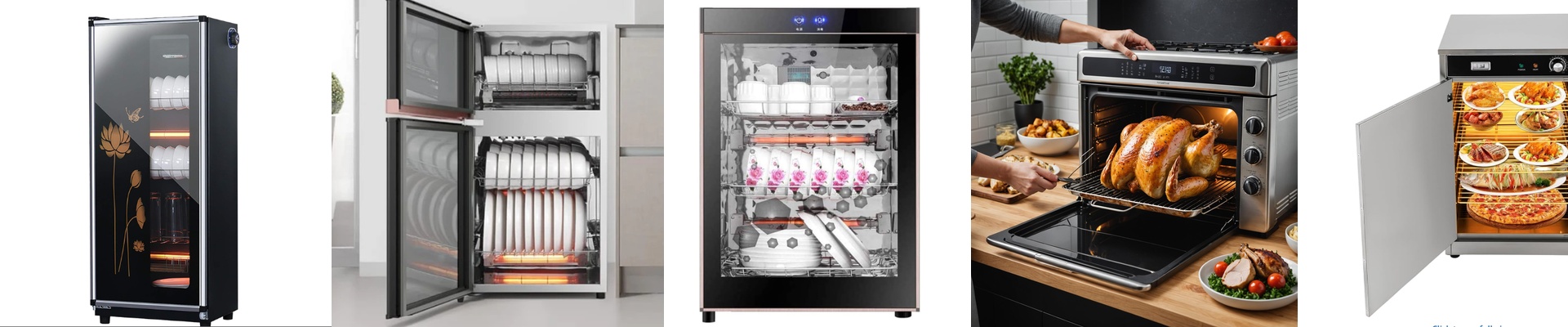
The line doesn’t wait. You need a pizza crust with a clean blister, a bakery loaf with even lift, and a holding station that stays in the safe zone without drying everything out. When heat doesn’t hit fast—and hit exactly where it should—you pay in timing, texture, and a stack of tickets. A rotary oven heat lamp isn’t just a bulb. It’s a purpose-built heating element that delivers focused energy right into the baking chamber. It cuts recovery time and gives you repeatable results, shift after shift.
What matters under the hood
At the core is a high-intensity infrared element—usually quartz halogen or short-wave infrared—that puts energy directly on the product surface. That’s different from leaning solely on air temperature in a convection oven. Infrared heats the dough by radiation, not just the air around it. We build these lamps around three realities you live every day:
- Power and voltage: These units typically run 240–480 V, sized to the oven cavity and your target bake profile. In practice, a properly matched lamp brings the baking chamber back to setpoint in minutes, not tens of minutes. That matters when you’re running bakes back to back.
- Wavelength and response: Short-wave infrared responds quickly and penetrates the surface cleanly, which helps you get crisp crust without over-browning the interior too early. Medium-wave profiles run hotter at the element and lean into browning and finishing steps. The call depends on your product: thin, fast pizzas want that fast response; thicker breads and deck loads often do better with bottom heat plus controlled top browning.
- Mounting and clearance: Lamps go in with shields, brackets, and reflectors to aim heat downward and inward—not into metal parts or your staff. Clearance to the hearth or stone, and spacing from pans, is strict. We specify those distances because uneven clearance creates hot spots and uneven color.
- Control integration: The lamp works with your oven’s thermostat and often a dedicated intensity or timed control. That lets you dial in a top-heat burst for crust finish, then back it off for holding. The payoff is straightforward: faster warm-up, shorter bake cycles, and holding temps that stay steady. That translates into more covers per hour and fewer underdone or overdone sheets.
Why it earns its keep
Pizza: fast recovery, consistent crust
In a rotary oven, the stone or hearth holds steady heat, but the top load needs a quick, even strike to set the crust and blister the cheese. The heat lamp delivers that burst without nuking the chamber air. Crusts set clean, cheese melts evenly, and the oven comes back to temperature fast between orders.
Bakery: even lift and color
On a deck oven, the stone gives you bottom heat for lift, and the lamp handles top browning. For bread, that means a controlled caramelization window without the crust setting too early. For rolls and buns, it means even color across the pan—no dark edges where the radiant path hits hardest. The product looks consistent, and your crew spends less time trimming and touching up.
Holding and warming: hold without turning product to leather
Holding needs stable temperatures, not scorching air. The lamp’s focused heat keeps product in the safe zone while minimizing dehydration. Plated food stays plateable, and sheet pans hold without the edges going leathery. That matters when the pass is slammed and holding times stretch past the ideal window.
Roasting and finishing: brown on command
For proteins and vegetables, the lamp is a finishing tool. It browns and glazes when you want it to, without cranking the whole oven ambient and overcooking the interior. The response is immediate, and the visual cue is clear.
What you need to get right
- **Clearance is not optional.**Stick to the oven and lamp clearance tables. Too close to the stone or pans and you’ll see scorching and splotchy color. Too far away and recovery drags, and you lose the intended effect.
- **Verify the electrical.**These lamps pull serious current. Check voltage, phase, and circuit capacity. A mismatch stresses the lamp, the control, and the wiring.
- **Plan for thermal shock at startup.**Infrared lamps heat fast and cool fast. Don’t ride the on/off switch during a bake; use the control to modulate intensity instead of hammering it.
- **Keep the reflector and shield clean.**Grease and dust on the reflector scatter heat and cut output. A quick wipe-down during routine oven maintenance keeps the heat pattern consistent.
- **Match the hardware to the oven.**Not every rotary oven can take a top-mounted lamp. Some deck ovens need specific shielding. Give us the oven model and cavity dimensions, and we’ll spec the lamp, mounting, and control that fit the machine. When heat arrives fast, lands where it should, and holds steady, service stays moving and the food looks the way it’s supposed to. A rotary oven heat lamp is a practical upgrade for any kitchen running pizza, bread, holding, and finishing—one you’ll feel in ticket times, consistency, and energy use. If you want to size a lamp for your rotary oven, deck oven, or holding setup, send over the oven model, cavity dimensions, and your target bake times. We’ll spec the element, mounting, and control that match the way you cook.