
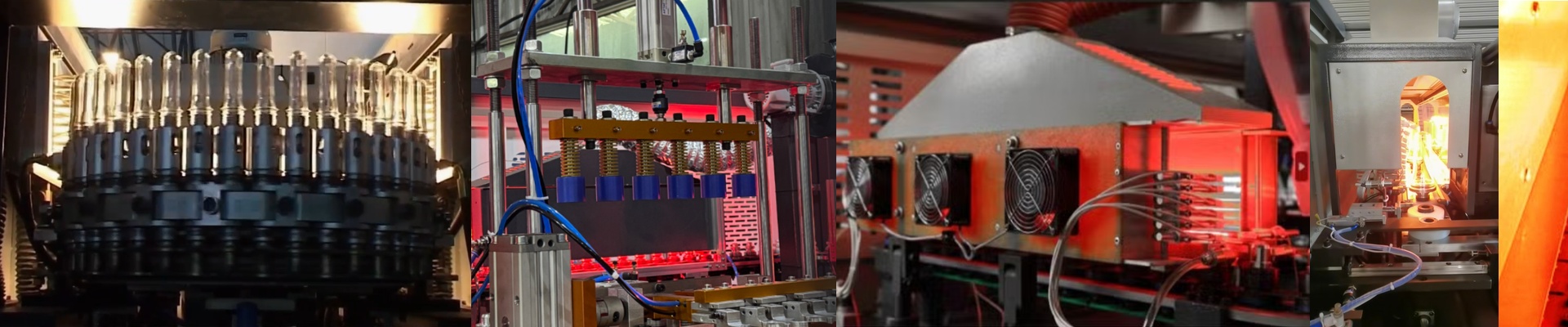

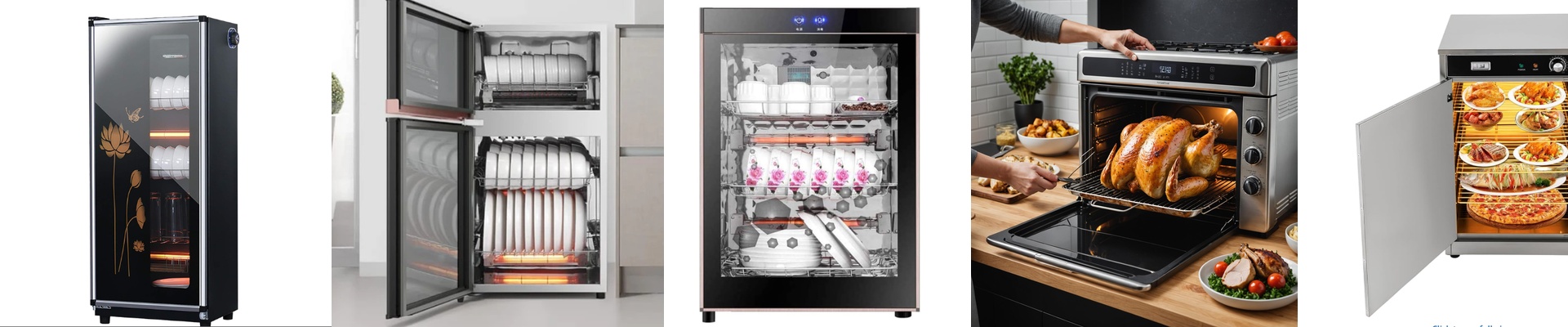
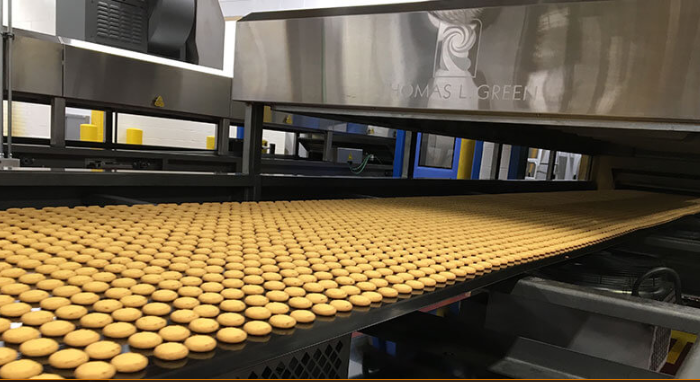
When your industrial rotary oven starts dragging—uneven heat, slow recovery, crusts coming out washed out—the heating element is usually where the trouble starts. In a high-volume bakery, that drift costs you dough, messes with caramelization, and freezes your line. A replacement element built for the job puts the heat profile back where it belongs. What matters under the hood We build this element around medium-wave infrared because it climbs fast and holds tight across the baking chamber. It’s rated for industrial duty—typically 4000–6000 W, 208–240 V, and 20–24 A—so it matches the power a rotary oven expects without tripping the controls. The face is sized to cover the full chamber width, so you get even heat across every tray. Precision terminals and solid mounting hardware drop it into the existing brackets clean, and the quartz-based build takes repeated thermal cycling without cracking. Why this works in a rotary oven With product moving through, heat has to be even and responsive. This element brings the oven back to its intended heat density, so preheats are shorter and bake cycles tighter. You’ll see crust color hold steady, oven spring behave, and fewer rejects. It also trims energy use per bake because it hits setpoint quickly and holds it, instead of pulsing and hunting. Fewer temperature swings mean less wear on belts, bearings, and controls—more uptime. The practical details Installation is straightforward, but lock out power and let the oven cool all the way before you start. Double-check voltage and terminal layout against your wiring diagram, and confirm clearances so the element can’t touch trays or shields. Match the element to your exact model and chamber geometry; the wrong length or wattage will create hot and cold spots. Plan the swap during scheduled maintenance so you don’t get blindsided by downtime.