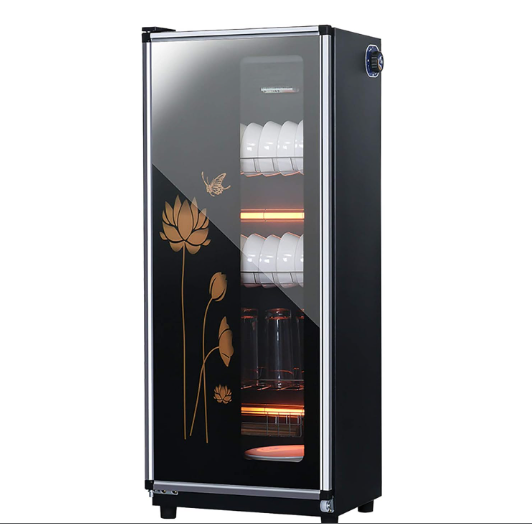
Stop Burning the Outside and Leaving the Inside Raw
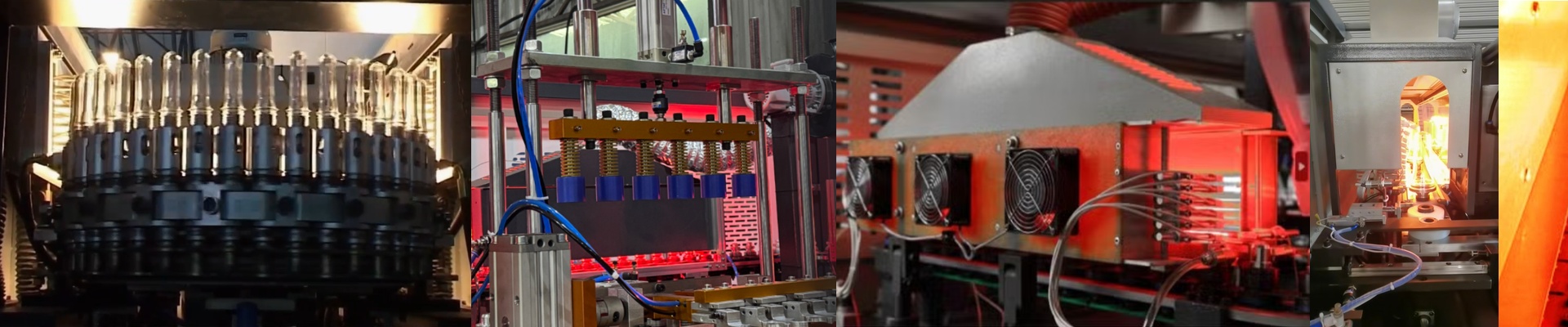
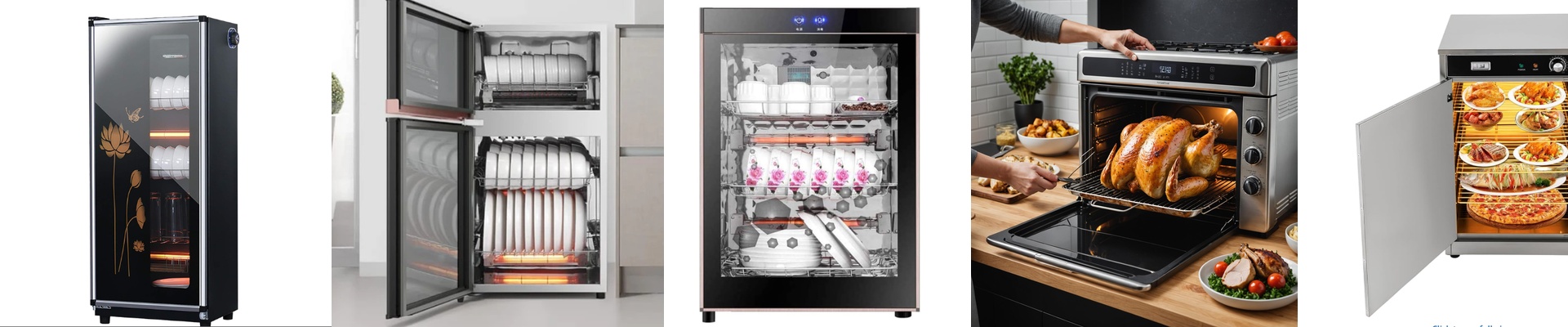
We’ve all been there. You’re working with a thick cut of meat or a dense loaf of bread, and by the time the center is actually cooked, the outside looks like a charcoal briquette. It’s frustrating. The problem is that air is just a bad conductor of heat. That’s why we use circular quartz infrared tubes. Instead of relying on hot air to slowly seep inward, these tubes send short-wave radiation straight into the heart of your food. It basically vibrates the water molecules at the core. The result? The inside and outside cook at roughly the same pace. No more burnt crusts hiding a raw center. The gear behind the heat We use high-purity quartz because it lets the most IR energy through. Since the tubes are circular, they throw heat evenly across the whole oven. No more “cold spots” where some trays cook slower than others. But a word of caution: you can’t just plug these in and walk away. You need a solid PID controller to keep things precise. If you don’t, you’ll overshoot your temperature and ruin your batch. You can pick the wattage based on how much space you’re working with. Sure, higher wattage gets you up to temp faster, but it puts more strain on your power supply. And if your vents aren’t pulling enough air, you might actually burn out the filaments. Balance is key here. Keeping things running smoothly The best part is that these are drop-in replacements. They fit right into most industrial bakery arrays without a headache. Once they’re in, just keep an eye on them. Check your wiring for oxidation every six months. It’s a quick check, but it saves you from a mid-shift breakdown. One last thing:**be careful with the glass.**Quartz is picky. If you touch it with oily fingers or let grime build up, you’ll get “hot spots” on the tube. That’s a fast track to a broken heater. Just wipe them down with some isopropyl alcohol, and you’re good to go.