

Keeping the Heat Steady in Steam-Injected Ovens
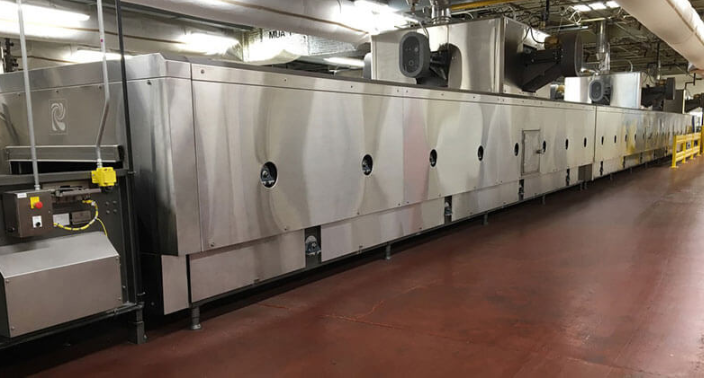
If you’ve ever worked with commercial bread ovens, you know the struggle. You hit the steam for that perfect crust, and suddenly, your surface temperature tanks. It happens because steam just sucks the heat right out of the oven. Most standard heating elements can’t keep up; they fluctuate, and your bake suffers. To fix this, we use twin-tube infrared elements. They basically act as a shield against that energy loss, keeping the crust temperature exactly where it needs to be. Why the twin-tube setup? It’s all about surface area. By doubling up the heating filaments in a small space, we spread the heat load around. This is a huge deal because it means no single filament is working overtime or running dangerously hot. The result? Your elements don’t burn out nearly as fast, and you get a nice, even heat across the whole floor or ceiling. No more hot spots or cold patches. Dealing with the humidity Let’s be honest: steam and electricity are a nightmare together. To keep things from shorting out, we wrap the filaments in high-grade quartz glass. This stuff is tough. It can go from room temperature to 500°C in a few seconds without cracking. But the seal has to be perfect. If even a tiny bit of moisture leaks inside, the filament oxidizes and snaps. Game over. Getting it installed (and a few warnings) These are designed to drop right into high-output industrial ovens. We’ve tuned the wattage so that when you open the door and all that heat escapes, the oven bounces back almost instantly. But here’s the thing: these elements put out a lot of heat. Your oven chassis is going to soak it all up. Before you install them, double-check your insulation and your fans. If your ventilation isn’t up to the task, you’re looking at warped frames or fried control wiring. It’s not worth the risk. And for the love of everything, use high-temperature leads. Standard PVC will melt into a puddle. Stick with fiberglass or silicone-coated wiring. In a professional bakery, the heat is constant, and your connections need to be able to handle the soak.