
How to get that perfect crust with Nichrome IR
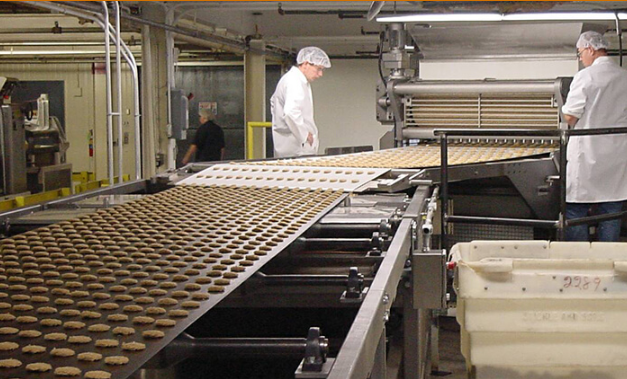
Ever tried to get a bakery-style crust—that deep, golden-brown crunch—without turning the inside of the bread into a dry sponge? It’s a tough balance. Most people rely on convection, but moving hot air around only gets you so far. That’s why we use Nichrome infrared (IR) heaters. Instead of waiting for the air to heat up, IR sends energy straight to the dough via electromagnetic waves. It’s a direct hit. Getting the heat where it matters We use Nichrome (a nickel-chromium blend) because it doesn’t flake apart or give up when things get scorching hot. When these elements kick in, they send out short-to-medium wave radiation. Here is the cool part: those waves actually soak into the starch layer of the dough. It pushes heat into the center of the loaf way faster than old-school conduction. You get that rapid internal rise, while the outside goes through the Maillard reaction—which is just a fancy way of saying it gets that beautiful, charred, savory finish. The tricky part: Balance Of course, you can’t just crank the power and walk away. We look closely at wattage density and surface area. Sure, a high-wattage element gets you up to temp fast. But if you cram too much power into a tiny space, you’re just asking for the element to burn out. You have to play a bit of a balancing act with the oven’s airflow to avoid those annoying hot spots. And a heads-up on your PID controller: IR reacts fast. Really fast. If your controller isn’t tuned right, it’ll overshoot the mark and you’ll end up with burnt bread. Keeping things running Installing these in a commercial kitchen isn’t rocket science, but you can’t cut corners. You need high-temp leads and tight connections, otherwise, you’ll deal with arcing. Bakery environments are brutal—lots of humidity and heat. I always suggest checking the mounting brackets every six months. Metal expands and contracts, and eventually, it gets tired. If an element starts to sag, your heat profile shifts. Suddenly, one side of your tray is perfectly brown and the other is pale. Swapping them out is a simple drop-in job, but you’ve got to get the alignment exactly right. Otherwise, you’re just guessing.