

Introduction
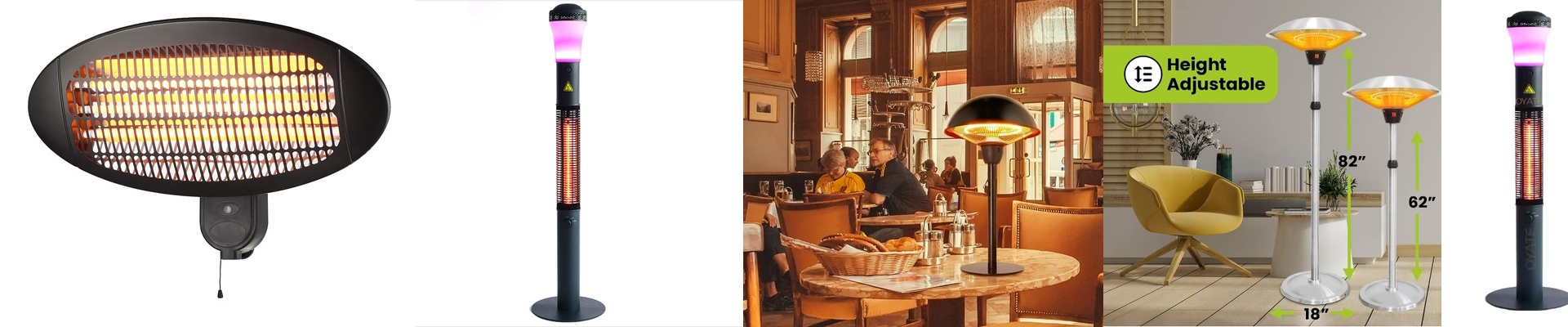
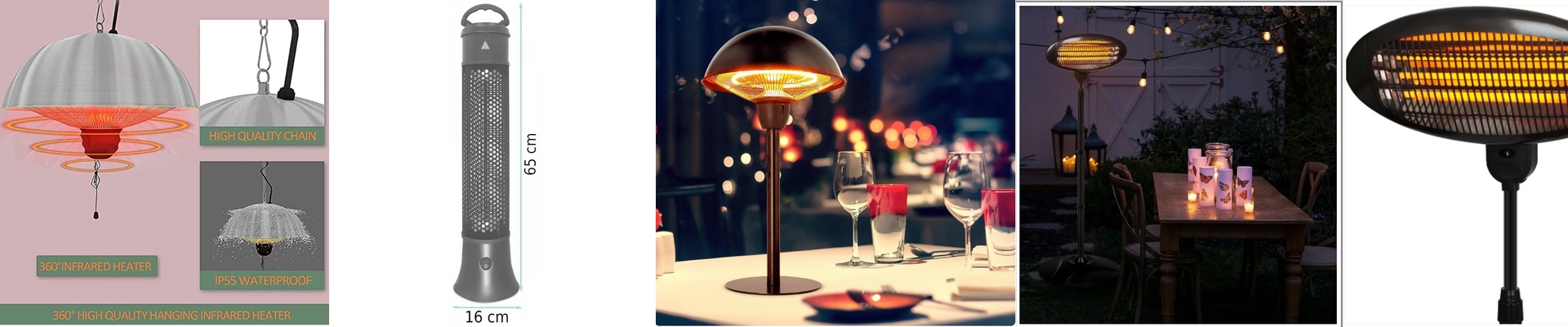
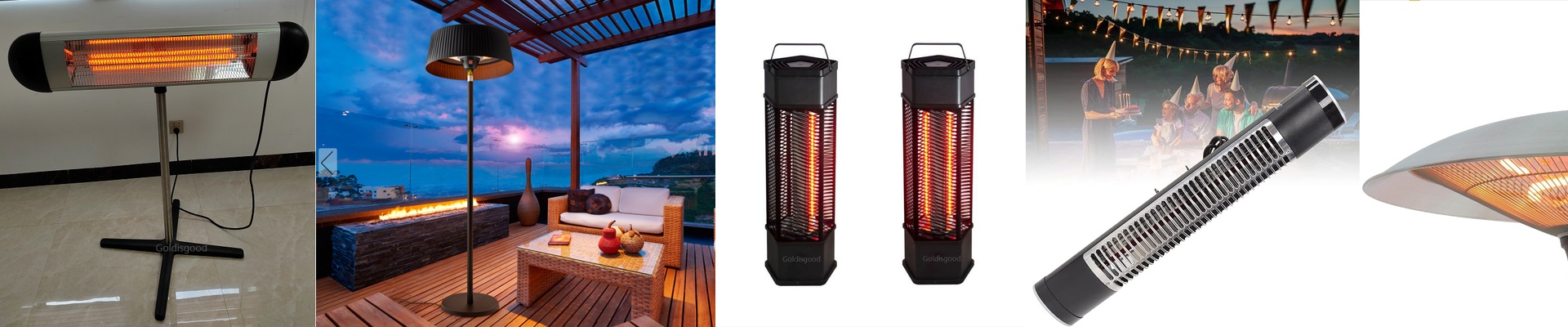
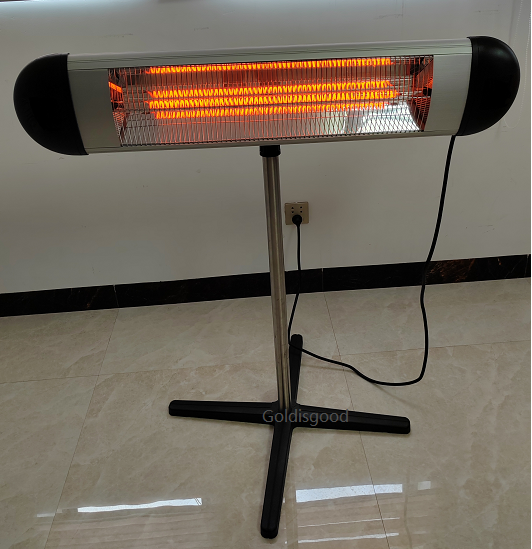
You know that bone-chilling cold in a factory—the kind that sinks into your core the second you step into a changing room or under a high bay? We built these ceiling radiant heaters to wipe that problem out. Fast. They’re shortwave infrared, not your typical convection heater. So instead of wasting energy warming the air, they send heat straight to the people, floors, and equipment below. You feel the warmth almost instantly, right where you need it, without trying to heat the whole massive building.
How They Actually Work
Here’s the heart of it: these units are built around high-density heating elements, designed to work in a direct line of sight. The science is simple—electricity turns into radiant heat, and it travels at the speed of light. We match the wattage and voltage to the power systems you already have in place. Go with a high-voltage setup, like 400V, and you pull less current. That means you can use thinner wires and save on installation costs, especially over long runs. And because the tube is compact, you can mount these heaters close to where the heat is needed without eating up headroom.
Built to Last
The heating element sits inside a halogen-filled quartz tube. The halogen gas is key—it fights off filament evaporation by re-depositing the material, which keeps the heat output steady over time. The quartz itself is tough. It shrugs off thermal shock and the constant heating and cooling that wrecks cheaper parts. For the connection, we use the standard R7s connector. It’s secure, rated for high temps, and you can get it wired up without needing a toolbox. It’s the kind of simple, solid connection you want when you’re dealing with a rough industrial environment.
What It Feels Like on the Floor
Picture a cold changing area. You walk in, and instead of waiting ages for the air to warm up, you feel the heat on your skin right away. That’s because the heater is warming you and the surfaces around you, not the air above. It makes a huge difference, even in spaces with tall ceilings and constant air exchange. We built these for engineers who need a straight-forward replacement they can count on. They hold up against dust, vibration, and wild temperature swings. Just keep in mind: because they pack a lot of heat, you need to plan for proper thermal management. Your cooling and ventilation have to be ready to handle the localized heat and keep the overall temperature safe. It’s the practical way to get fast, focused warmth without tearing into your entire HVAC system.