
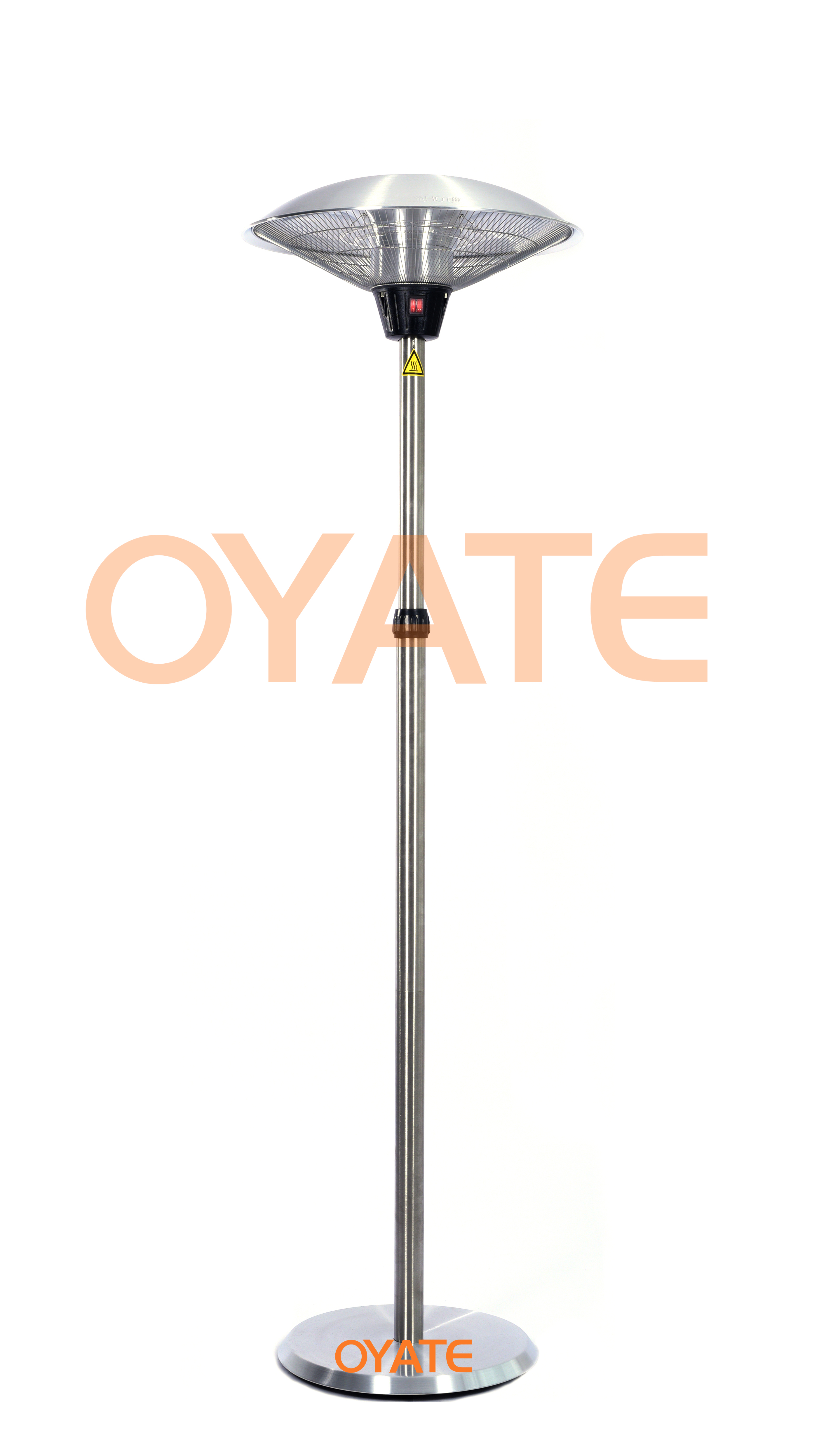
Halogen Outdoor Heaters: The Real Deal for Brutal, Outdoor Jobs
We built these halogen outdoor heaters for one simple reason. To give you heat that hits instantly, right where you need it. Because when you’re out in the elements, those regular heaters just don’t cut it. These are the workhorses for the tough spots—the factory yard, the loading dock, the production line that never sleeps. The secret is the shortwave halogen tube. It’s built to crank out serious heat, right on demand.
The Power Behind the Heat
Let’s talk specs, but keep it real. This unit runs on a 400V input and pumps out 2500W of power. That’s a lot of energy packed into a small, 300mm tube. It’s short, so it fits. No fussing around in tight spaces or trying to cram it onto an overhead fixture. The 400V supply is also smart. It keeps the current low, which means you can use thinner wiring and not worry about the voltage dropping off over long runs. You get more heat for your amp, but it does mean you need a properly rated contactor and a well-ventilated spot for the unit.
Built to Last, Built to Work
The heart of it is the quartz envelope. It can take the heat—and the shock of going from cold to blazing hot—without breaking a sweat. We also added a special reflective coating. This isn’t just for show. It pushes all the infrared energy forward, so you feel the heat where you want it, and it protects the parts inside. Then there’s the connector. We use the R7s double-ended type because it’s solid. It holds the lamp tight and keeps the connection clean, even when things are shaking and vibrating. And for those high-cycle jobs, the Sk15 base is a great option. It gives you a keyed, secure fit that just won’t let go.
Where They Shine: Direct, Focused Warmth
Outdoors or in a semi-exposed area, these heaters don’t waste time warming the air. They go straight to work, warming the people and the processes. That means you’re not fighting the wind and drafts. It’s direct, targeted heat. The compact size makes it a no-brainer to swap out an old radiant heater. Just drop it in. But here’s the thing—the surface gets seriously hot. So you need to plan for proper guarding and clearance. Think of the heat as something you control. Use a thermostat to manage the output, and make sure you shield any sensitive equipment nearby.