
Introduction
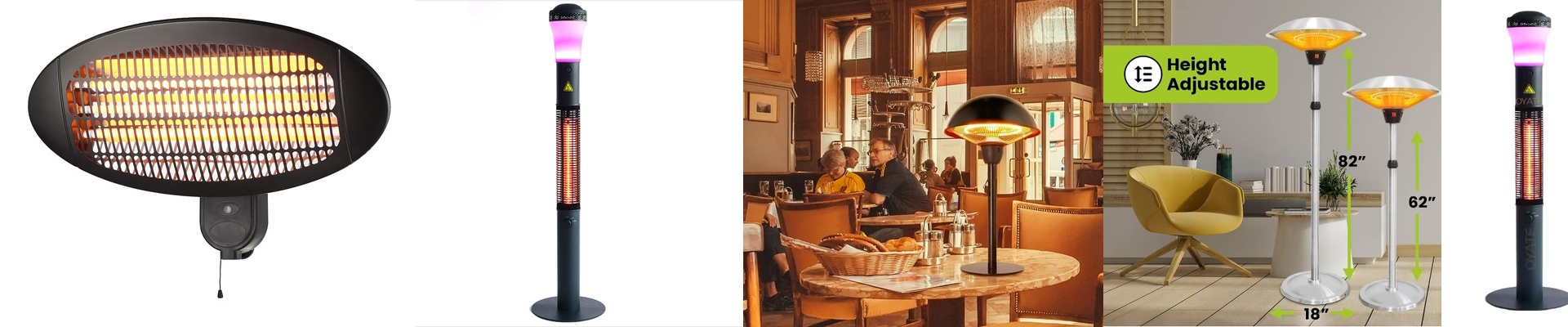
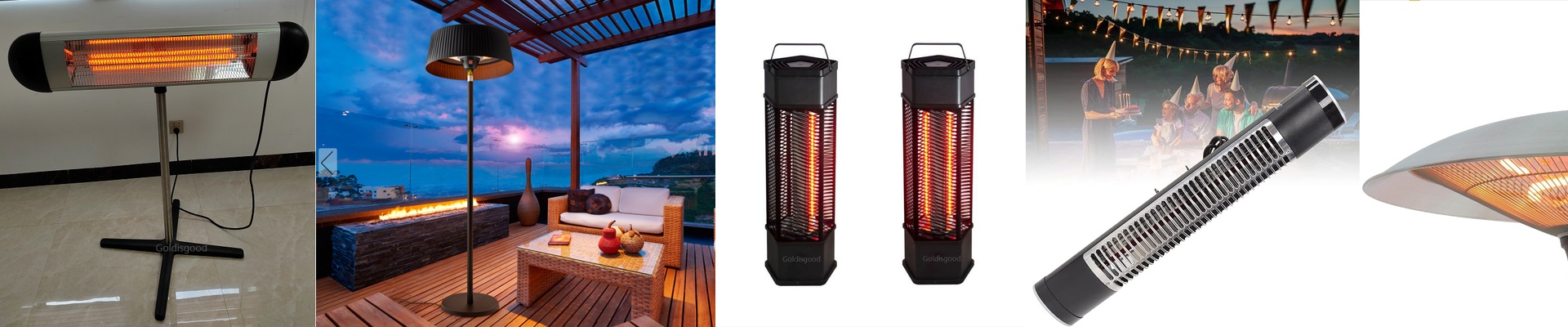
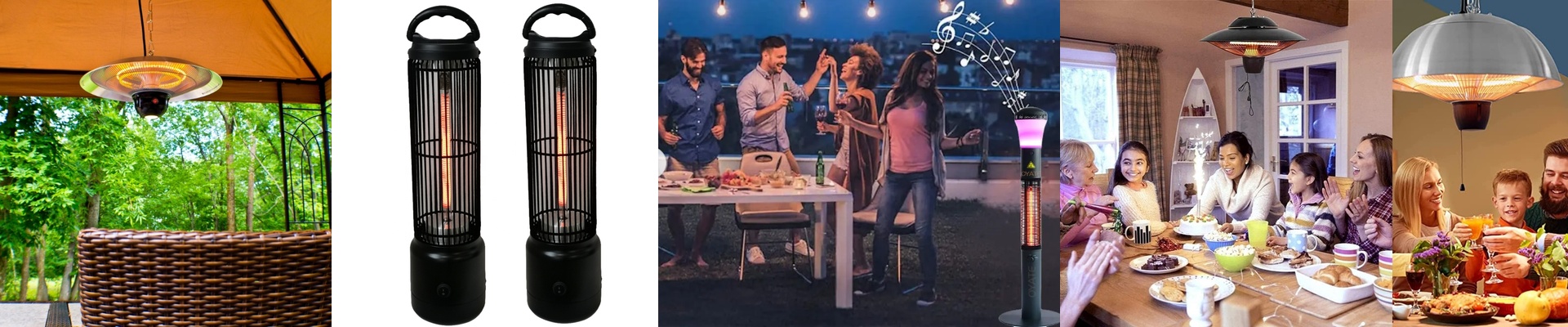
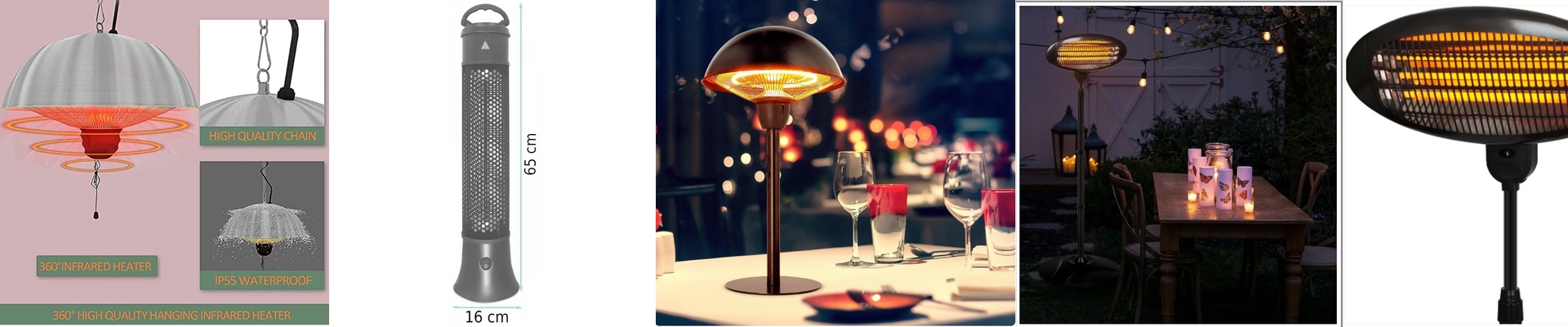
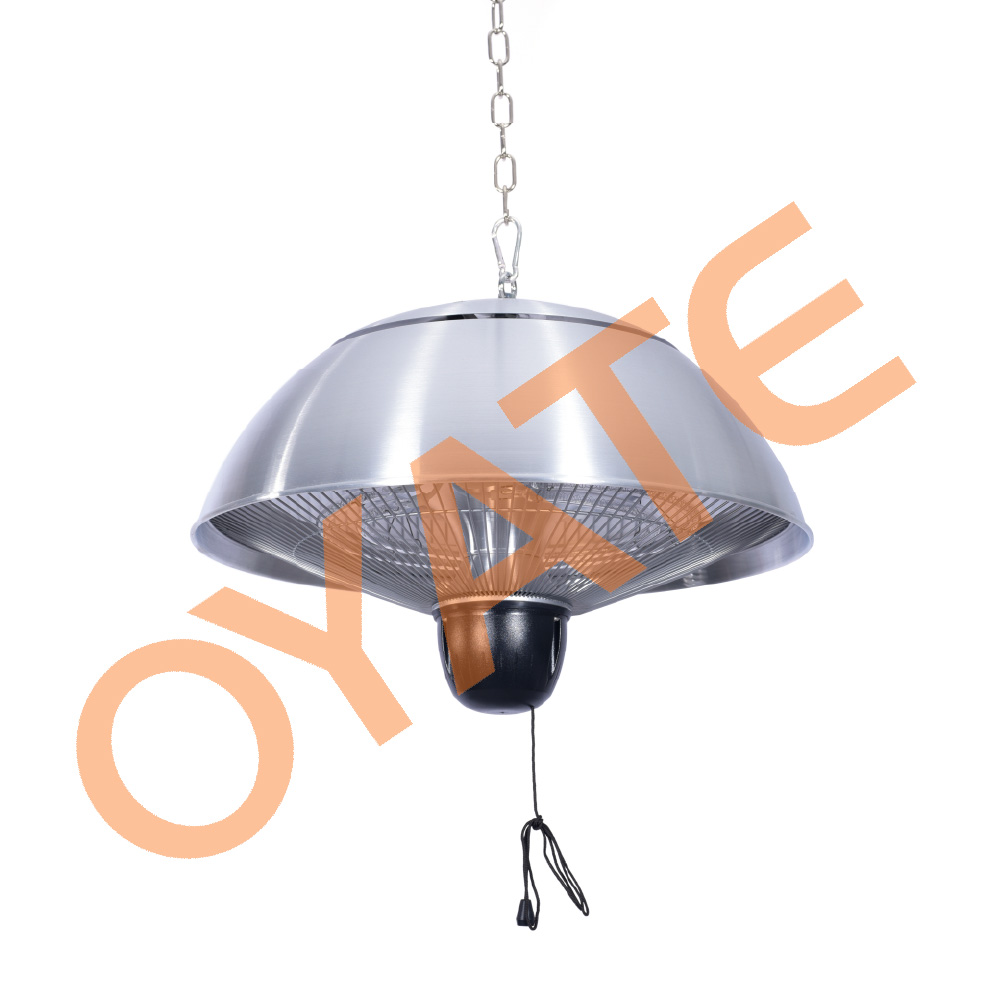
We built the mushroom patio heater for one simple reason: to keep people warm outside, where it counts. This isn’t one of those heaters that just warms the air. It’s an infrared unit that sends heat straight where people are standing. So even when the night air turns chilly, your guests feel toasty. At the heart of it is a high-wattage halogen element, all tucked inside a compact mushroom-shaped housing. It’s designed to be installed quickly and to hold steady out in the elements.
Technical Deep-Dive
Here’s the power behind the warmth: this heater runs on a high-voltage supply, packing a lot of output into a small footprint. A typical setup uses a 400V rating and a 2500W halogen tube. That gives you serious heat density right where you need it. The 300mm tube length keeps the heat source close to the target area, which makes the spot heating super efficient. Just keep in mind, with this kind of power, you need the right protection in the circuit and wiring that’s up to the job. You’ll want to match the control gear to the load and the environment.
Material & Design
The halogen tube uses a quartz envelope. Why? Because quartz handles sudden temperature swings like a champ and keeps the output steady. A special coating on the tube manages the heat spectrum and shields the filament. This helps the unit handle rapid on-off cycles without burning out early. Wiring is simple, too. The connector is an R7s, a two-pin, end-cap style that handles the current cleanly. It makes for a fast, drop-in replacement when you’re setting things up. And the mushroom housing? It doesn’t just look the part. It protects the tube and gives you a stable mount, whether you’re fixing it in place or hanging it overhead.
Application & Benefits
This heater is made for the places that see a lot of foot traffic—terraces, smoking areas, entryways. The big win is how it works. Radiant heat warms people and surfaces directly, so you’re not wasting energy trying to heat empty air. And because it’s compact, it slips easily into tight spots. Now, the trade-off. The heat is intense, so you need to make sure there’s enough ventilation. That keeps the housing and the electrical parts from getting too hot, so everything stays safe and runs smoothly.