
Giving Your Old Blow Molder a Fresh Start with Precision IR
We hear this question all the time: can swapping in a new infrared heating element really breathe new life into an older PET blow molding machine? The short answer is yes. But it’s not as simple as just swapping out a bulb. This is a smart, targeted upgrade—engineered to turn the footprint you already have into a high-output heater that’s perfectly matched to the real-world demands of heating PET preforms.
Power and Voltage—Because Speed Matters
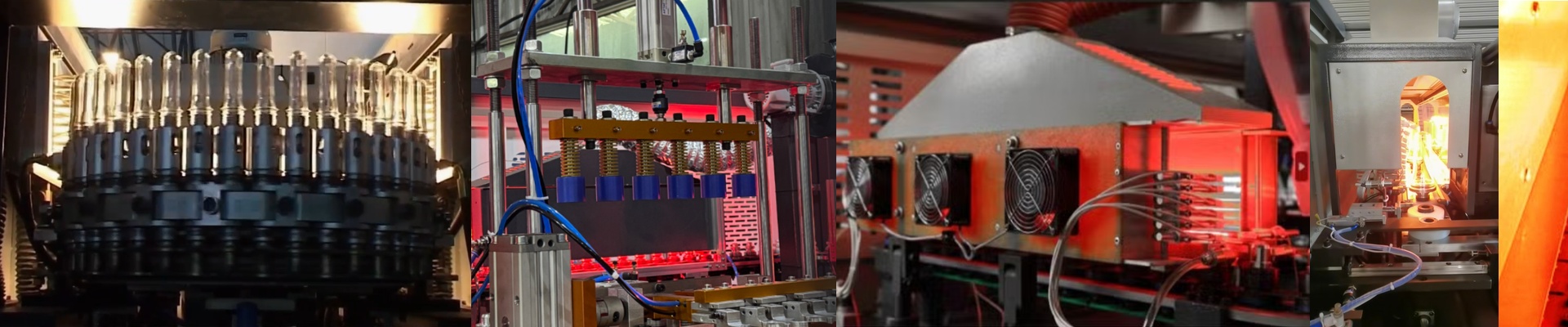
What makes this upgrade work is the power density. Our PET-specific IR heaters run at 400V and pack up to 2500W into a 300mm length. That kind of focused heat is exactly what you need to get PET preforms up to their ideal stretch temperature—fast. The wattage-to-length ratio is the reason you can keep up with modern cycle speeds without compromising the heat profile. But here’s the catch: that much power also means more heat and more current draw. So your machine’s cooling and electrical systems need to be in solid shape before you make the switch.
Inside the Tech: Halogen Core, R7s Connection
We’re not talking about a standard quartz element. The heart of this is a high-output halogen tube. The halogen cycle keeps the quartz envelope clean, which helps the lamp hold steady output over its life. No more gradual efficiency drop-off like you get with older elements. And the R7s connector isn’t there by accident. It’s the standard for a reason—solid, two-point contact that handles high current reliably and makes the replacement a direct, drop-in install. That means less downtime, less wiring hassle, and a quicker return to production.
What It Feels Like on the Floor
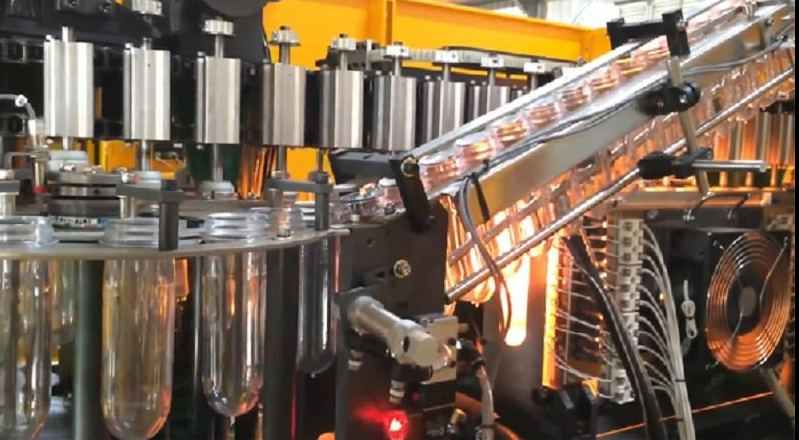
This setup was built for PET blow molding. It replaces older, weaker heaters and gives you faster heating with better control over the preform’s temperature profile. The payoff shows up where it counts: a more stable process, fewer scrapped parts, and a real bump in output from the same machine. If you’re running a smaller brand blow molder, this is a practical way to stretch the life of your equipment and make it more competitive—without having to replace the whole machine.
The Reality Check: Cooling Can’t Be an Afterthought
A 400V, 2500W tube throws off serious heat density. That means your cooling system has to be up to the job. Before you upgrade, make sure your air or water cooling can handle the added ambient heat. If the cooling is undersized, you’ll end up shortening the life of the new heater—and risk pushing nearby electronics too hard. This upgrade shines on machines that are mechanically sound, but simply stuck with outdated heating tech.