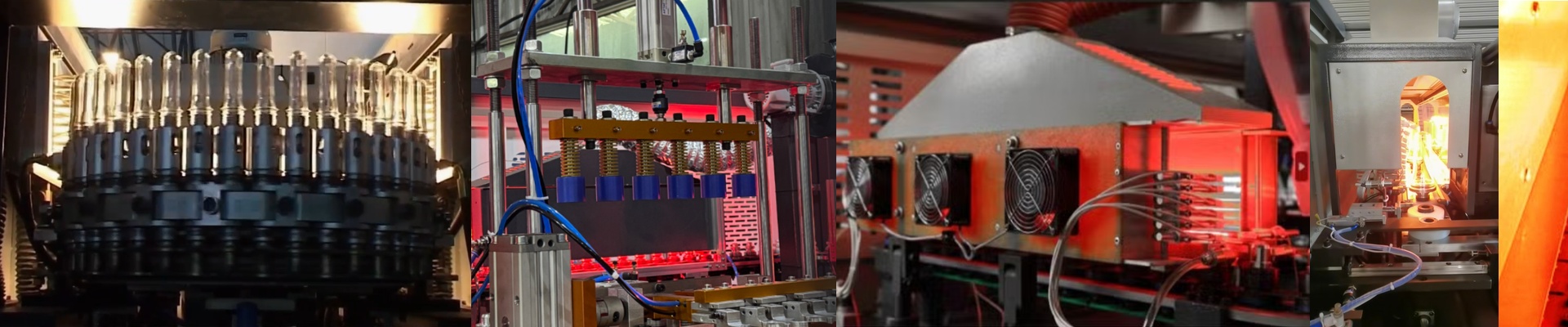

On the plant floor, a heater bulb doesn’t fail on your schedule. It takes preform heating down, stalls stretch blow molding, and suddenly you’re scrambling for a replacement that won’t trip your line.
What matters, technically
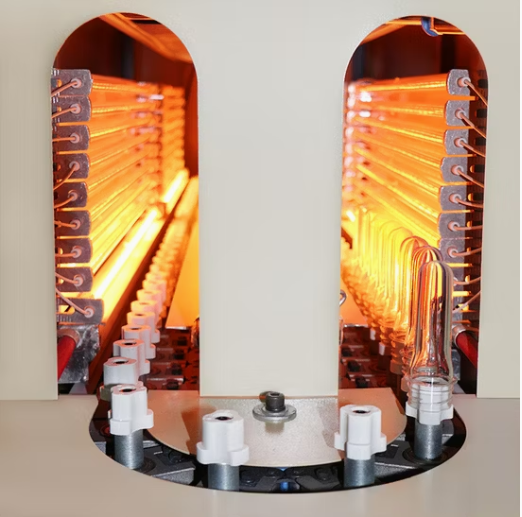
We build our SIPA-grade blow molding heater bulb to match OEM specs across Sidel, Krones, SIPA, Husky, and other mainstream blow molders. The emitter runs 2.5 kW at 230 V, with a 300 mm quartz tube and an R7s connector. Filament geometry and focal distance are set to the standard heating tunnel reflector profile, so irradiance distribution tracks like the original. In practice, that keeps preform neck and body temperature profiles consistent, with measured surface temperature uniformity within ±3 °C across the heating zone.
Why this matters on the line
When you swap in a halogen or infrared emitter, you don’t want guesswork—you want repeatability. A 1:1 parameter match keeps your heating curve intact, so you avoid the usual traps: overheating at the neck, underheating at the shoulder. Those are the classic triggers for flash, wall thickness variation, and bottle deformation. The payoff shows up as fewer rejects, stable cycle times, and predictable energy draw. We’ve seen units run 5,000+ hours with less than 5% output drop, holding heating current steady and stretching lamp replacement intervals.
What to watch for
Installation is straightforward on standard R7s sockets, but verify your blow molder’s voltage tolerance and the condition of the reflector before you swap. Wattage density is matched to the OEM, so the bulb has to run within its rated voltage window—pushing above 240 V will shorten filament life. For the best performance, keep the reflector clean and aligned, and make sure the lamp sits flush in the socket. If it doesn’t, you’ll get hot spots and uneven heating.