
A Drop-In IR Lamp Upgrade for Your Sidel SBO 4/6
We built this replacement IR lamp to be a straight swap for your Sidel SBO 4/6. And if you’re also running a Krones Contiform, we know the maintenance costs there can feel relentless. So we set out to give you a lamp that performs exactly like the original—same footprint, same fit—but comes with a much friendlier price tag over time. No rewiring. No headaches.
Power, Voltage, and Geometry—Why It All Matters
This is a shortwave infrared halogen lamp, rated at 2500W and 400V. That combo isn’t random. It’s what gives you the heat density you need in the preform heating zone, so you can hit the right temperature quickly and keep the line moving. And the 300mm tube length? That’s matched to the SBO 4/6 reflector. If the length is even slightly off, you end up with uneven heating and inconsistent bottles. This geometry keeps the heat landing exactly where it needs to, so your process stays repeatable.
The Materials and Design That Make It Reliable
We chose a halogen-filled quartz tube because it can handle rapid heating and cooling without losing output stability. The halogen cycle keeps the filament clean, which helps the lamp last longer than standard IR elements. Quartz also transmits shortwave IR efficiently, so you get that fast response the moment the machine starts up. Then there’s the R7s connector. It’s an industry-standard choice for a reason: clean electrical contact and a straightforward, plug-and-play replacement on the line.
What It Feels Like on the Blow Molding Line
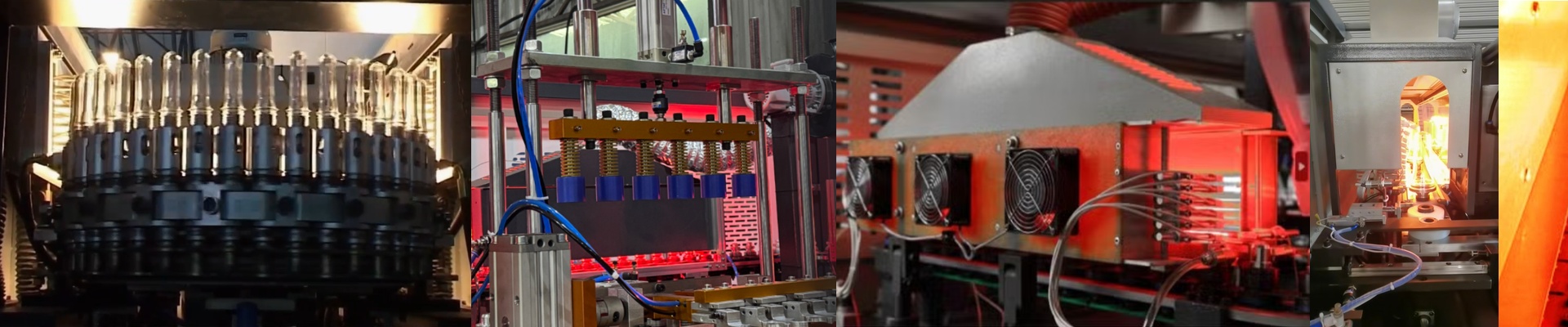
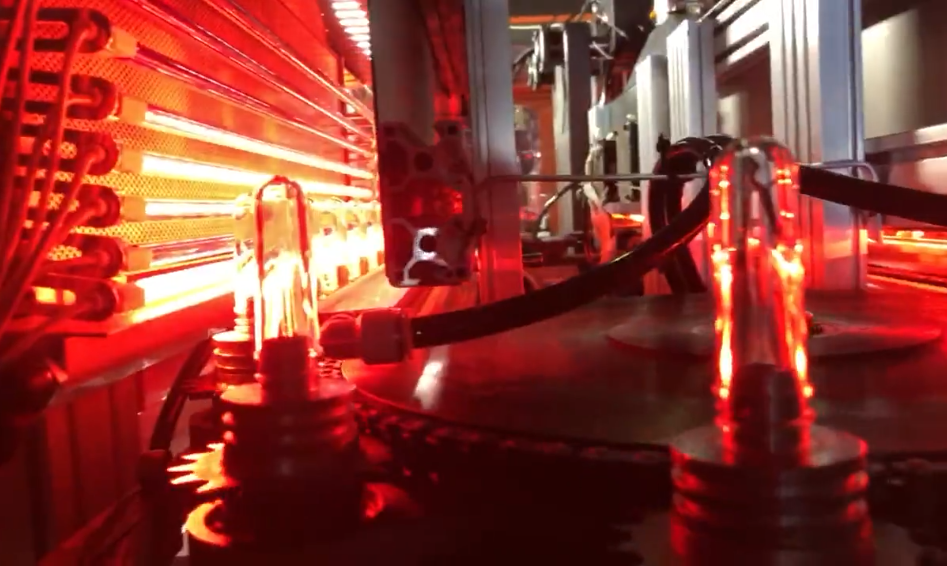
On the blow molding line, this lamp shines in PET preform heating. Consistent temperature distribution is the difference between a smooth run and a growing scrap pile. It heats up fast and holds steady, which supports high line speeds without overheating the preform surface. A quick reality check: a 2500W, 400V lamp puts out serious heat, so keep your machine’s cooling and ventilation in good shape. Clear the airflow, and the lamp will perform as designed. The payoff is fewer surprise stops, predictable replacement timing, and a lower cost per operating hour.