
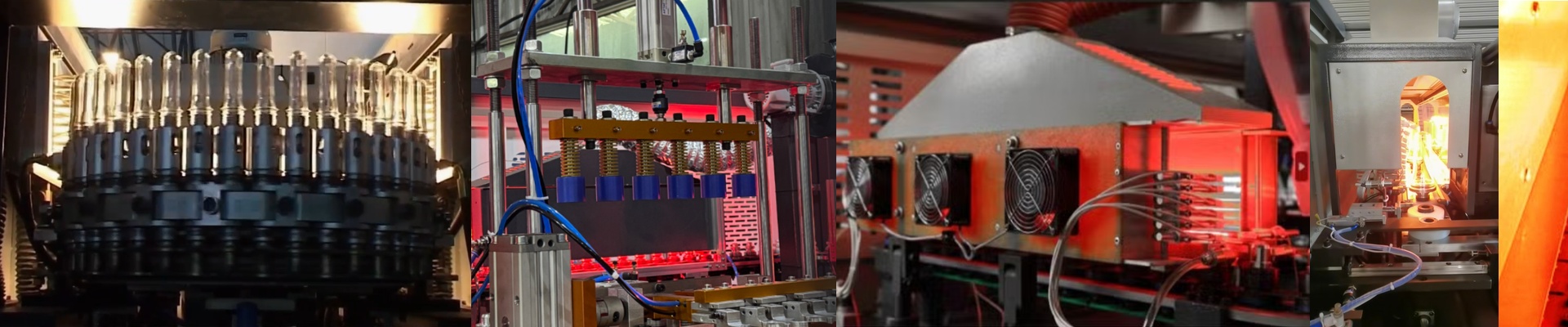
On the floor, the Nissei ASB 150DP keeps the line moving—until preform heating starts drifting. When the heating tunnel runs uneven, you get thick spots, thin spots, and a pile of scrap. OEM lamps are expensive, and generic replacements often miss the wattage density, response time, and positioning tolerance the 150DP needs. You end up chasing temperature, babysitting the oven, and paying too much for downtime.
What matters technically
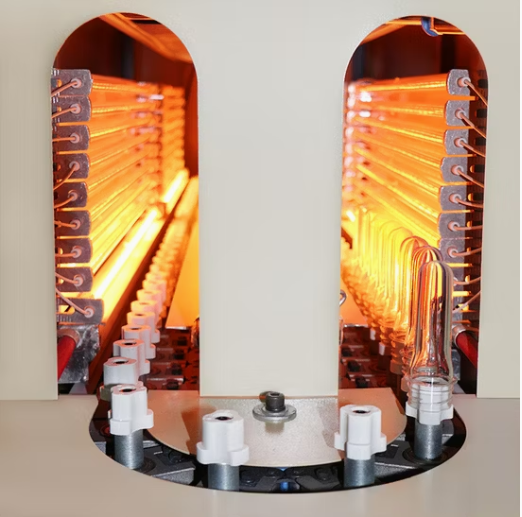
We build the replacement as a direct-fit infrared emitter, matched to the machine’s original thermal profile. It runs at the same voltage and power density the blow molder expects, so preforms heat quickly and repeatably across the heating tunnel. The quartz envelope handles rapid cycling, and the R7s connector and overall length are dimensioned to drop into the existing socket and reflector without modification. In practice, that means stable heating curves, consistent stretch behavior, and fewer alarms tied to temperature deviation.
Why it works on the 150DP
With this lamp, you regain the heating response the 150DP was designed around. Preheat time comes back to spec, so the machine can run its intended cycle without over-heating to compensate. That translates to fewer off-spec bottles, less regrind, and more consistent output from shift to shift. Energy use drops because the emitter heats on demand with fast response, and long service life means fewer lamp changes—less maintenance work, fewer spares on the shelf, and fewer chances for a changeover error.
What to watch for
Installation is straightforward, but the heating tunnel is tight—wear gloves, keep the emitter clean, and verify the reflector is aligned. Match the exact wattage and voltage; a mismatched lamp can overheat preforms or force the control system into constant correction. Ambient drafts and dust can shift infrared absorption, so keep the tunnel sealed and the lamp surface free of residues. If you run 24/7, plan replacements during scheduled stops to avoid sudden drops in output.