
Getting Your Heat Right with 220V IR Emitters
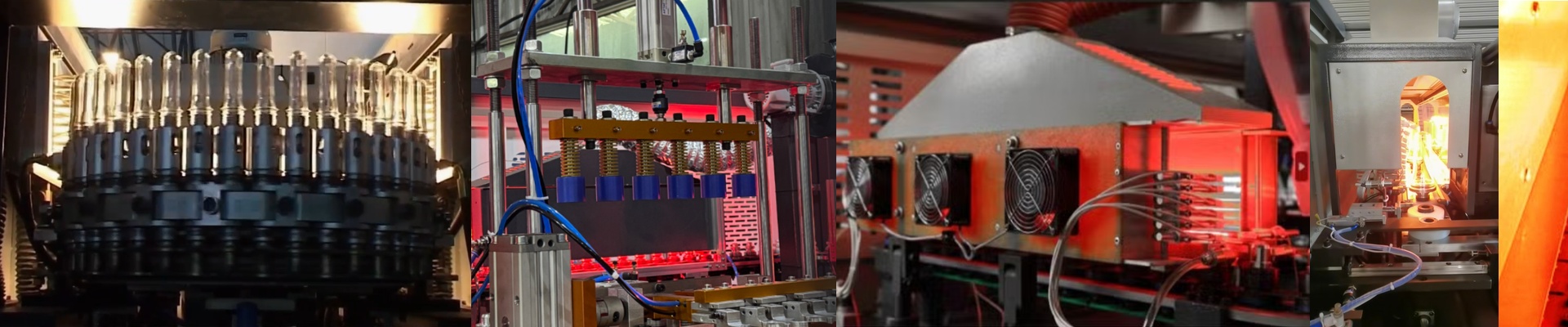
If you’re running an automated kitchen, you know the struggle of waiting for a big oven to finally “get up to temp.” Standard resistive heating is slow. You’re basically heating the air and hoping it eventually heats the food. Switching to 220V infrared (IR) emitters changes the whole vibe. Instead of relying on convection to move air around, IR sends energy straight to the surface of the food. It’s fast. Really fast. You don’t have to wait for the entire cavity to soak in heat before you start cooking. Why the 220V setup actually works We stick with 220V lines because it keeps your wiring simple. No need for crazy power conversions. But the real magic is the response time. Think of old-school heating elements like a heavy freight train—they take forever to start and even longer to stop. IR lamps are more like a light switch. They hit full power almost the second you flip them on. When you pair these with a PID controller and PWM, you get an incredible amount of control. You can flick the heat on and off in milliseconds. This means you won’t accidentally overshoot your temperature and ruin a batch of delicate pastries or sauces. It just stays where you want it. Customizing the hardware Every oven is different. Some have weird dead zones where the air just doesn’t circulate. That’s where we come in. We build these tubes to fit your specific footprint. If you need a quick, hard sear, we go with short-wave emitters. If you need the heat to sink deeper into the food, medium-wave is the way to go. We use quartz envelopes because they can take the heat without warping or buckling. If you’ve got cold spots in your line, tell us. We’ll tweak the wattage or move the emitters around until the heat is perfectly balanced across the whole tray. A quick heads-up on the electronics Here is the thing: high-density IR heating puts a lot of stress on your gear. If you’re using Solid State Relays (SSRs) to switch these lamps on and off constantly, those relays are going to get hot. Like, really hot. Don’t skip the heatsinks. If you don’t have active cooling in your control cabinet, your SSRs will trip or fry long before the lamps ever wear out. It’s a small detail, but it’s the difference between a smooth operation and a midnight emergency repair.