
Stop Wasting Time Waiting for Your Ovens to Warm Up
Nobody likes standing around waiting for oven walls to soak up heat before the first batch can even go in. It’s a drag. It wastes power, slows down your entire line, and honestly, it’s just inefficient. We’ve found a better way. Instead of relying on slow-moving hot air, we use black ceramic radiant heaters. They switch the whole process over to direct infrared radiation. The result? Your response time drops to almost nothing.
How the Heat Actually Works
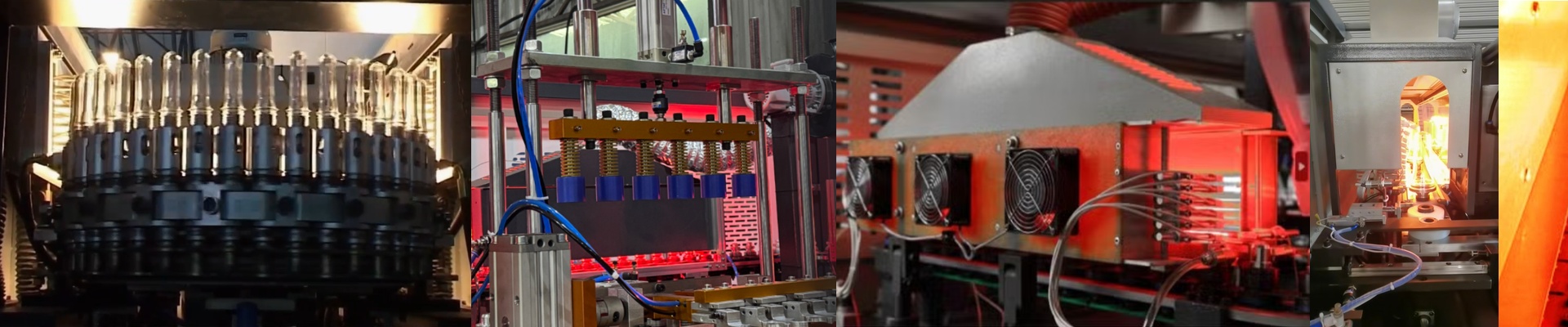
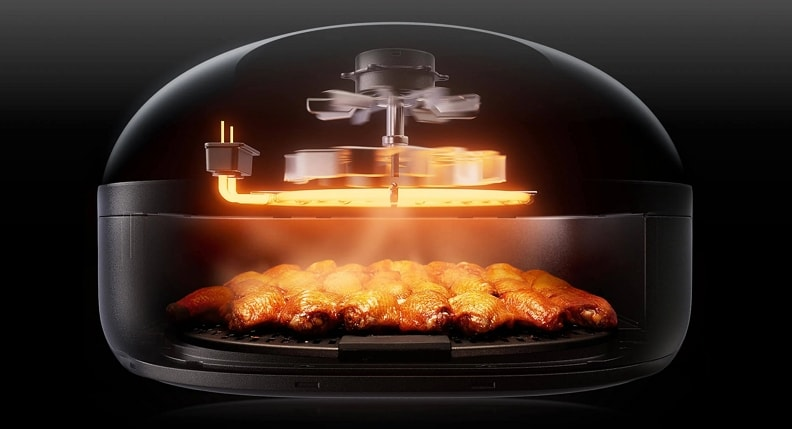
Most standard metal elements just heat the air. It’s a slow process. Our black ceramic tubes are different. They have a special coating that pushes energy out as short-wave infrared radiation. Instead of waiting for the air to get hot, the heat hits the surface of your productinstantly. We designed these for high-density loads where you need to cycle through batches fast. Plus, that black finish is key—it stops energy from bouncing back into the element. This keeps the core from overheating while sending every bit of power straight into the dough.
Getting Them Into Your Setup
The best part is that these are basically drop-in replacements. If you already have tubular elements, you can swap them out and wire them right into your existing PID controllers. You’ll get those tight temperature swings you need without a total overhaul. But a word of caution: this kind of heat is aggressive. Because the energy transfer happens so fast, you can scorch the top of your bread if the heaters are too close. You’ll want to play around with the distance between the element and the tray. It takes a little tweaking to get that perfect balance between a golden-brown crust and a fully cooked center.
What This Actually Does For Your Bottom Line
When you move to ceramic radiant tech, your preheat window shrinks from minutes to seconds. That’s a huge win for your electricity bill. You stop paying to heat the massive metal chassis of the oven and start paying only to heat the actual product. It’s a simple way to push out more volume without having to find more floor space for new equipment.