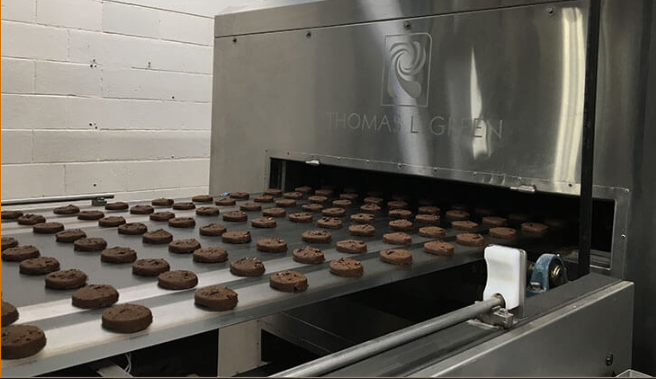
Getting Your Deck Oven Heat Exactly Right
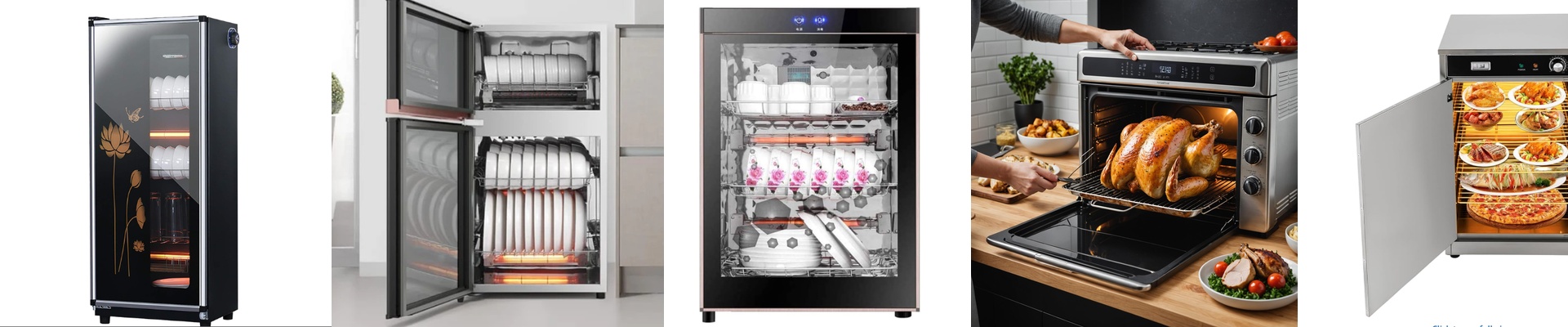
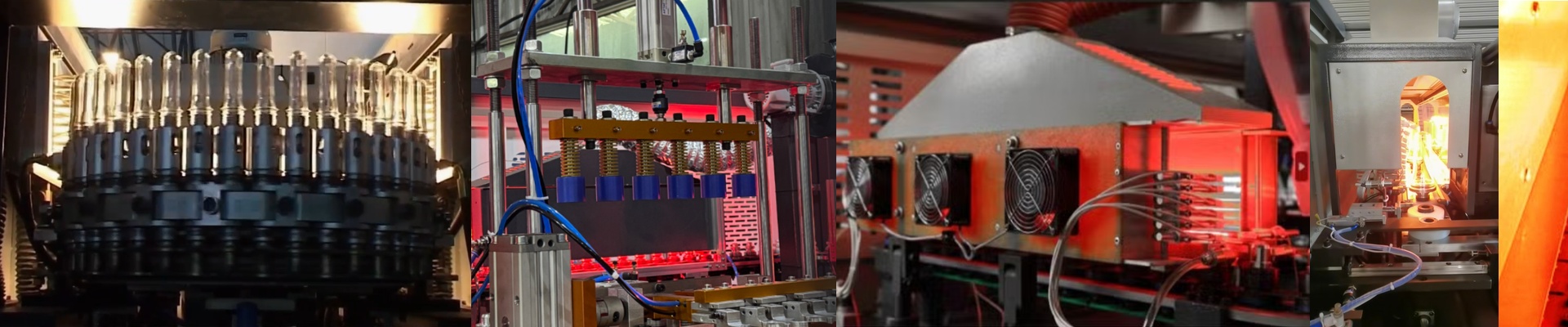
If you’re running an automated kitchen, you know the struggle. You need your heating elements to listen to your PLC commands now, not in five minutes. That’s why we use short-wave infrared (IR) lamps. Most heaters just warm up the air and hope for the best. Not these. IR lamps send energy straight into the food. It’s a completely different beast.
Keeping the Temperature Tight
The secret here is low thermal mass. We pair these heaters with PID controllers and SSRs so the system can react in a heartbeat. When your controller asks for more heat, the IR element hits full power in milliseconds. It’s fast. Really fast. And that’s how you keep a consistent temperature across the whole deck without those annoying hot spots that char your crust.
The Nitty-Gritty Hardware
We build these with high-purity quartz and tungsten filaments. But we don’t just give you a one-size-fits-all part. We tweak the wattage and voltage to fit your specific power grid. If we bump up the voltage, you can get away with thinner wiring without worrying about voltage drops. We usually stick with R7s or SK15 bases. Why? Because they’re simple. If a tube burns out, your maintenance person can swap it in a couple of minutes and get back to work. No need to rewire the whole rack.
The Trade-offs (And How to Handle Them)
Here’s the thing: these heaters pack a massive punch in a tiny space. You have to be smart about ventilation. If you cram a 2000W lamp into a tight housing without enough airflow, you’re going to melt your wiring and fry your sensors long before the lamp actually wears out. It’s a common mistake, but an expensive one. We also customize the quartz coating to shift the wavelength. This makes sure the heat actually gets into the dough instead of just scorching the top. It’s a small technical tweak, but it’s the difference between a generic heat lamp and a professional tool that actually works for a bakery.