
Getting Your Pizza Out the Door Faster with Shortwave IR
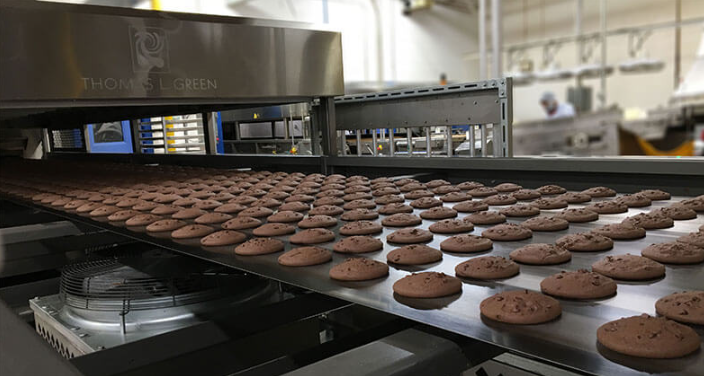
Imagine cutting your bake time from five minutes down to just 90 seconds. Most people think that means cranking the heat until the oven glows, but that’s not how this works. It’s actually about how the heat reaches the dough. We use shortwave infrared (IR) emitters. Instead of waiting for the air in the oven to get hot, this tech shoots energy straight into the pizza. Why it actually works Standard convection ovens are slow because they rely on air. Air is a lazy conductor. Our IR emitters work differently—they use a specific wavelength (0.76 to 2.5 $\mu$m) that sinks right into the surface. It hits the crust and the toppings at the same time. You get a faster rise and a base that actually snaps when you bite into it, all because the heat doesn’t have to travel through a “middleman.” The gear you’ll need To make these speeds happen, you can’t just use a basic heating element. We use high-wattage quartz halogen tubes. These things are built to ramp up and cool down almost instantly. That’s the secret. Your PLC can tweak the power in real-time so you don’t end up with burnt pepperoni and raw dough. If you’re putting this together, look for R7s or SK15 connectors to keep everything tight. And a quick tip: use high-temp wiring. The housing gets incredibly hot during a rush, and you don’t want your wires melting when you’re at peak production. The trade-offs Now, this much power isn’t free. Running these emitters at full blast puts a serious strain on your power supply. Just make sure your electrical setup can handle that initial surge when the system kicks in. Then there’s the positioning. Shortwave IR is aggressive. If the tubes are an inch too close, you’ll char the cheese before the center of the pizza even gets warm. We always suggest using a tunable mounting bracket. It lets you nudge the tubes until the bake is exactly where you want it.