Stop Waiting on Your Ovens: A Better Way to Hit Your Numbers
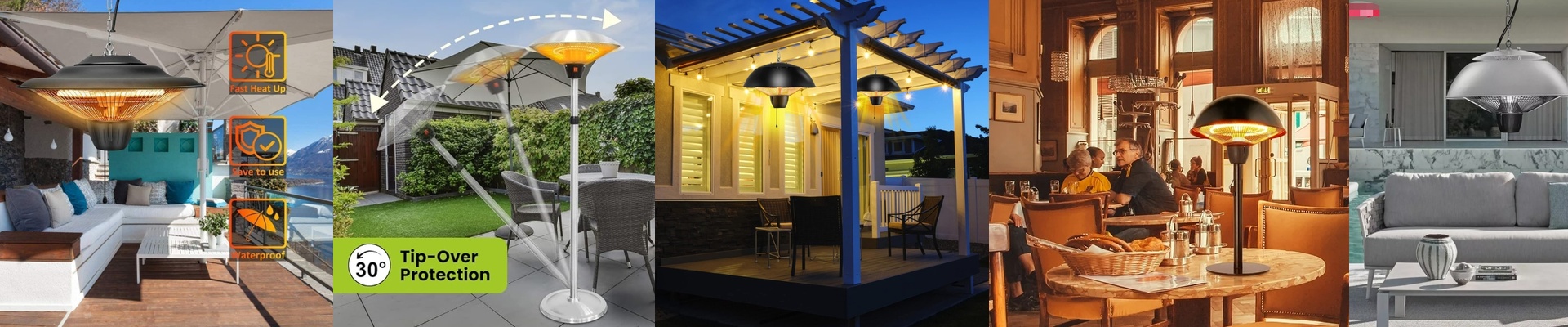
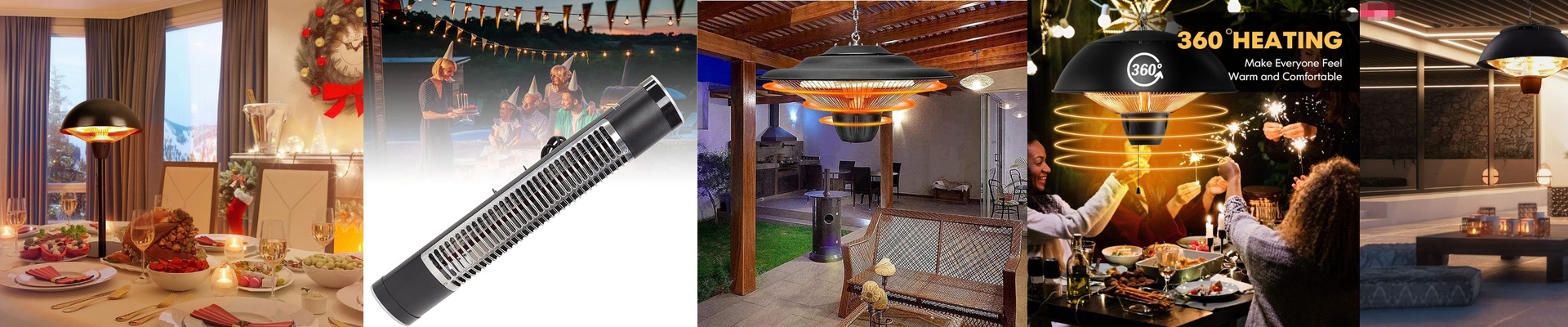
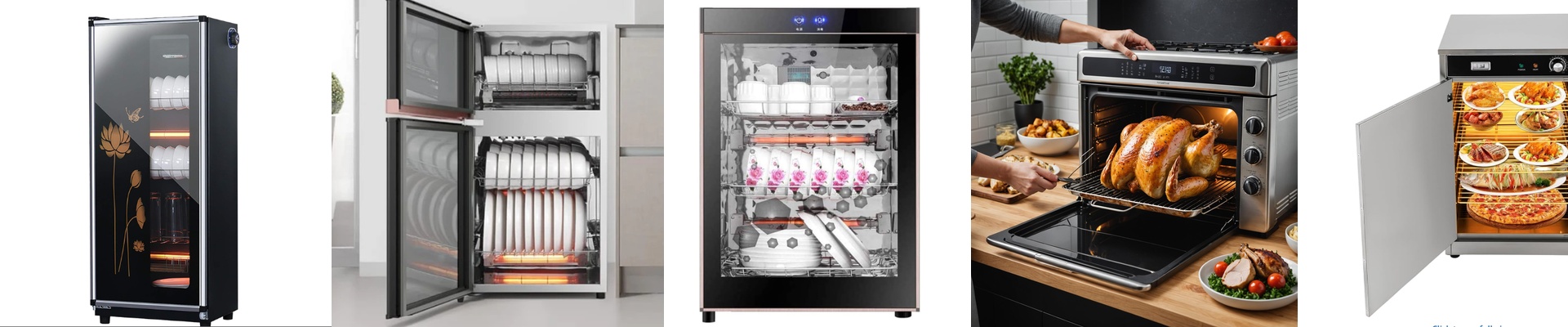
Nothing kills a production rhythm like a slow oven. You know the feeling—standing there, staring at the gauges, just waiting for the heat to catch up so you can actually start moving product. It’s a bottleneck that eats your margins and stresses out your crew. That’s why we use Twin Quartz infrared (IR) lamps. Think of them as a “turbo button” for your oven. Instead of waiting for the air to get hot and slowly wrap around your pastries, these lamps blast radiant energy straight into the dough. It happens instantly.
Why this actually works
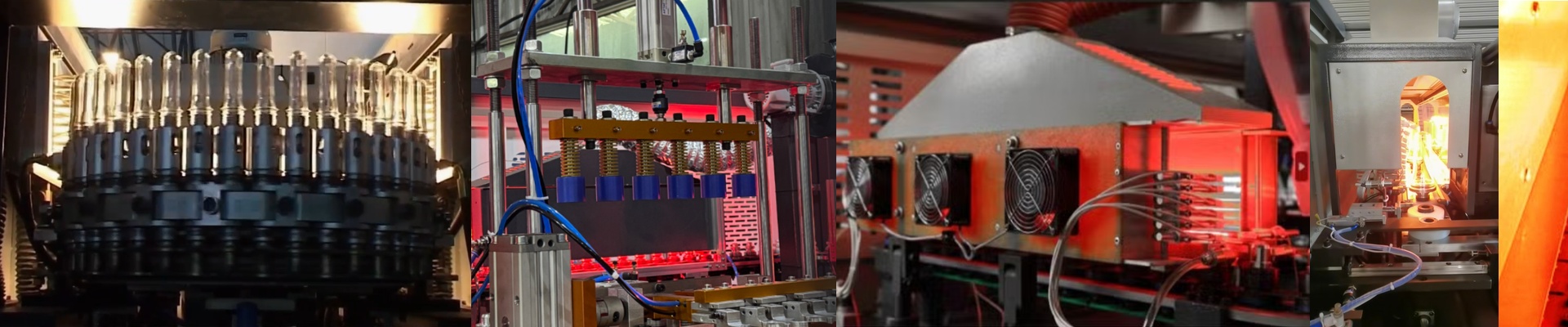
Most ovens rely on convection, which is basically just moving hot air around. It’s fine, but it’s slow. Twin Quartz lamps are different. They use a halogen-filled tube that sends out shortwave IR radiation. To put it simply: the energy moves at the speed of light. It hits the surface of your product immediately, giving you a thermal response the moment you flip the switch. Plus, you can pack a huge amount of heat into a tiny space, so you don’t need to rebuild your entire line to see a difference.
The nitty-gritty on the gear
We don’t do “one size fits all.” Depending on how big your oven is, we’ll pick the right length and wattage to match your plant’s power grid. The magic is in the quartz envelope. It handles extreme heat without breaking a sweat and lets the IR rays pass through without soaking up the energy itself. And because we know things break in a busy kitchen, we use standard connectors like R7s or Sk15. If a lamp pops in the middle of a Friday rush, you just pop in a new one. No electricians, no rewiring, no downtime. Just swap and go.
A few things to watch out for
Here’s the catch: adding this much power changes how your product bakes. Since IR hits the surface so fast, you have to keep an eye on your timers. If you crank the lamps but leave your belt speed where it was, you’re going to end up with burnt crusts and raw centers. It’s a common mistake. You’ll want a fast PID loop in your control system to make sure the temperature doesn’t overshoot. The best way to do it? Wire these into your auxiliary circuit. Keep your primary convection heat humming along for the core bake, and use the IR lamps to shave those frustrating minutes off your total cycle time.