
Stopping the Temp Drop in Industrial Bread Ovens
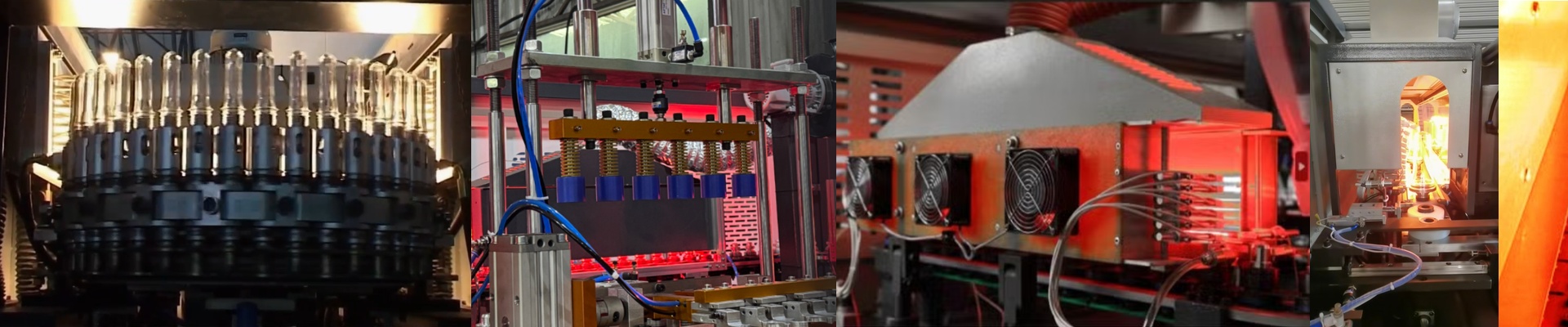
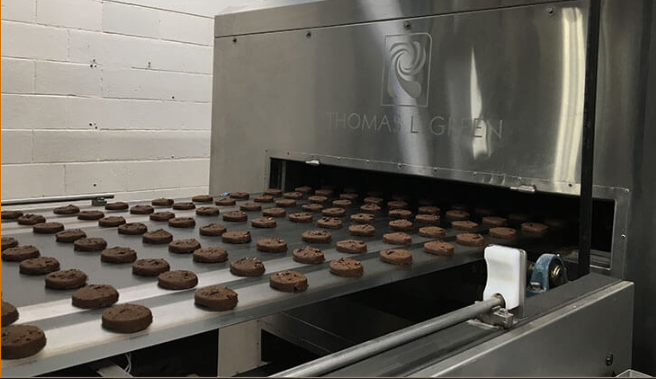
Anyone who’s spent time around industrial ovens knows the struggle. You open the door, or you slide in a fresh batch of cold dough, and boom—your internal temperature tanks. It happens in a heartbeat. To fight this, we use circular infrared heating tubes. The beauty of these is that they don’t waste time trying to heat up the air first. They hit the bread with direct radiant heat. It’s faster. Much faster.
Keeping the Heat Steady
Standard thermostats are just too sluggish for high-end baking. By the time they realize the oven is cold, you’ve already lost your window for a perfect rise. That’s why we plug in infrared control systems. These things keep a constant eye on the actual surface of the bread. The second the system feels a dip, it kicks the power up to those circular tubes. It’s a quick loop that kills those annoying “cold spots” before they can mess up your crust.
The Nitty-Gritty on Heat
We use circular tubes because they fit the oven’s shape and spread the heat around evenly. When picking them, we look at the wattage per linear centimeter. You want enough punch to sear the crust perfectly without turning the inside of the loaf into a brick. Just make sure your voltage matches your plant’s grid. Higher wattage means the oven bounces back quicker after you open the door. But a word of warning: don’t go overboard. If you cram too much power into a small space and set your PID settings too aggressively, you’re going to burn through your filaments way too fast.
Setup and Upkeep
These tubes are basically drop-in replacements, which makes life easier. We wrap them in reinforced quartz or ceramic so they can handle the brutal, humid environment of a bakery without cracking. One thing to watch: your wiring. Make sure it’s rated for the peak current. If your connections are loose or cheap, they’ll arc and fail because the system is constantly cycling on and off to keep the temp steady. And please, keep your sensors clean. If a layer of flour dust builds up on the IR sensors, the system gets “blind.” The compensation lags, the temperature drifts, and suddenly your batch isn’t looking so great.