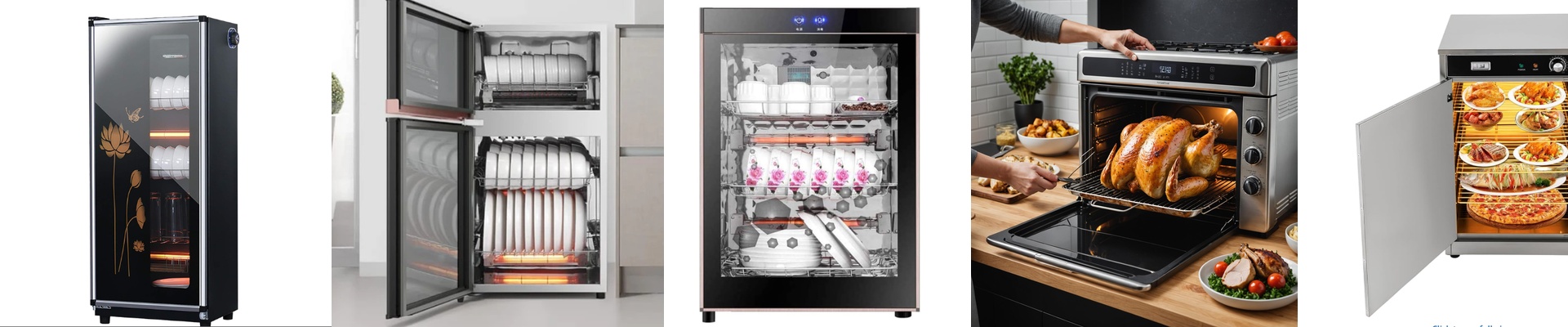


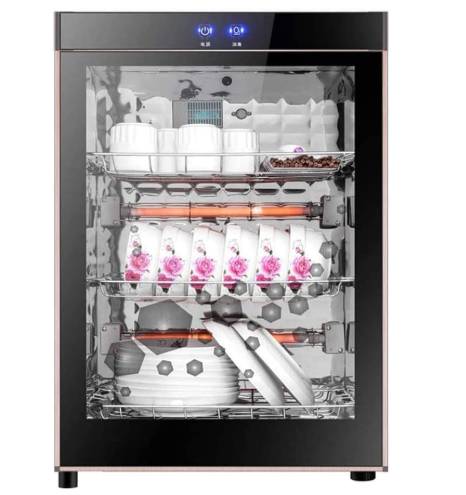
Getting Your Sterilization Cabinet Up to Temp—Fast
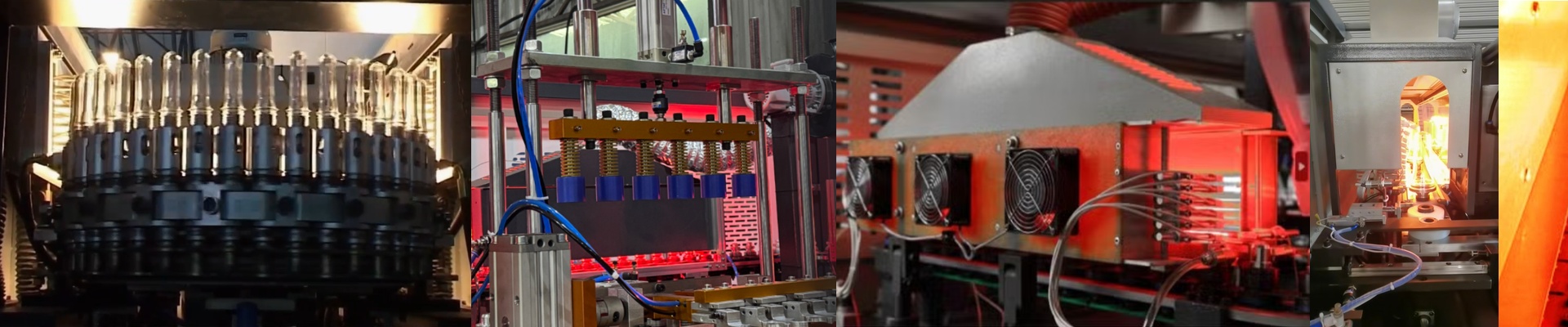
If you’re trying to hit sterilization temperatures in a matter of seconds, those old-school resistive heating elements just aren’t going to do the trick. They’re too slow. That’s why we go with 500W short-wave infrared (IR) lamps. Instead of waiting for the air to heat up and move around (convection), these lamps blast energy straight at the surface. It’s like the difference between warming up a room with a space heater and feeling the sun hit your skin on a July afternoon. It’s instant. Why 500W? We found that 500W is the sweet spot. It gives you enough heat density to kill off contaminants on the surface without turning your entire cabinet chassis into an oven. Because the filament hits its peak temperature almost the moment you flip the switch, you don’t have to deal with those annoying, long warm-up cycles. You just turn it on, and it’s ready. The Build Quality The lamps are encased in a high-purity quartz tube. This is important because these lamps go through a lot of thermal shock—blasting from cold to scorching hot and back again. Standard glass would just crack. Inside, there’s a halogen cycle that stops the tungsten filament from evaporating too quickly. This means the lamp won’t just burn out after a few weeks of those short, high-intensity bursts. A quick tip: you’ll probably wire these into a PID controller or a simple timer. Just be careful with your spacing. That quartz tube getsinsanely hot, so give it plenty of breathing room. You don’t want to accidentally scorch your cabinet housing. Setting It Up and Keeping It Running These are designed to be easy drop-in replacements for deck ovens or sterilization setups. Most standard power supplies can handle a 500W draw, but double-check your wiring gauge. Those initial current spikes when the lamp ignites can be a bit punchy. And here is the most important part for maintenance:keep the glass clean. If dust or grease builds up on the tube, it creates hotspots. Those hotspots are what kill the lamp prematurely. A quick wipe-down every now and then will save you from having to replace the bulb way sooner than you should.