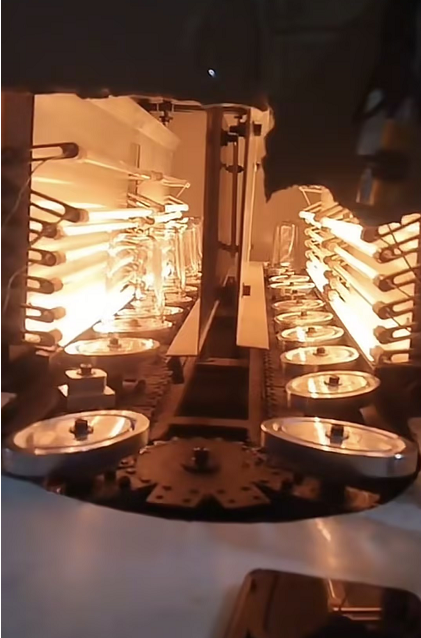
Stop Stressing Over Your Blow Molder Lamps
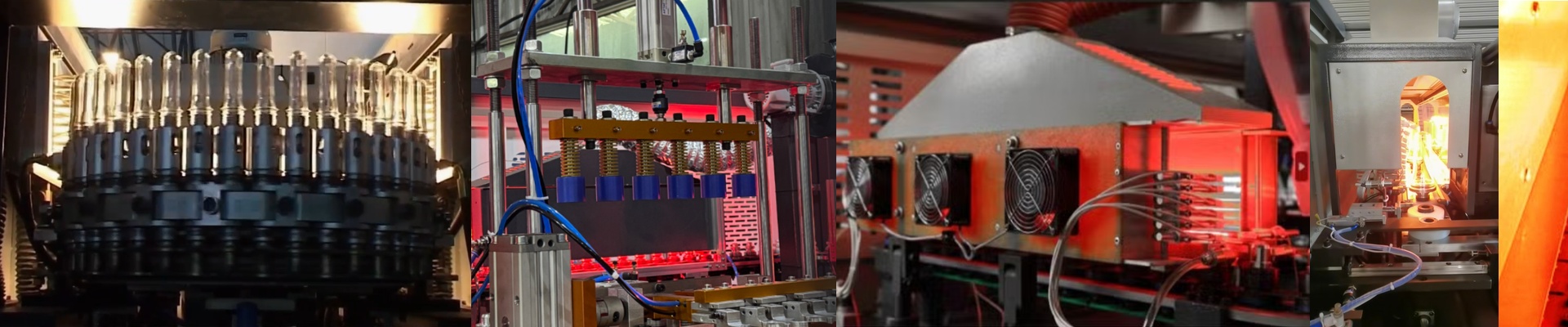
Let’s be honest: trying to find replacement heating lamps for Techne blow molders is usually a giant headache. You spend half your day worrying if the footprint is actually going to fit or if you’re locked into some overpriced brand-specific part. We got tired of that. So, we built our infrared lamps to just work. They fit about 95% of the setups you’ll find globally. No hacking the oven chassis, no weird modifications. You just pull the old tube out, wire the new one in, and get back to work. It’s that simple.
Getting the Heat Right
When you’re blowing PET, you need that shortwave infrared radiation to hit the preform fast. If it’s too slow, your cycle time tanks. Here is the trick: we focus on wattage density and voltage matching. If you’re running a 400V system, you can’t just throw any lamp in there or you’ll burn out the filaments in no time. We’ve spent a lot of time balancing the thickness of the tungsten coil against the quartz diameter. The goal is to make sure the heat actually hits the plastic, not the frame of your machine.
No More Melted Sockets
We use heavy-wall quartz glass because cheap glass bows when it gets hot. That’s a recipe for disaster. We also stick to R7s or SK15 connectors. Why? Because they’re the industry standard and they actually seat firmly in the socket. If a connection is loose, you get an arc. And if you get an arc, you get a melted socket. We keep the pin diameters tight so that doesn’t happen. Some of our tubes have special coatings to bounce the heat back toward the preform. Just a heads-up: those coatings make the glass surface get a lot hotter to the touch.
A Few Tips for the Floor
Our lamps work across different brands because we keep it simple. We focus on the three things that actually matter:length, voltage, and wattage. But before you fire everything up, do yourself a favor and check your reflectors. A dirty reflector will kill the efficiency of even the most expensive lamp on the market. One last thing—these high-output tubes put off a lot of ambient heat. Make sure your cooling fans are actually moving enough air. If they aren’t, you’re risking a meltdown of your control electronics, and nobody wants to deal with that on a Tuesday.