Getting Your Temperature Exactly Right with Carbon Fiber IR Lamps
We didn’t want to just make another heating lamp. We wanted something that could actually compete with the big international brands—the kind of gear where “close enough” isn’t good enough. Think about a commercial pizza oven. The gap between a burnt, charred crust and a perfect, gold-brown bake is tiny. It all comes down to how you handle the infrared spectrum and whether your PID loop actually stays stable when things get hot.
Why Carbon Fiber?
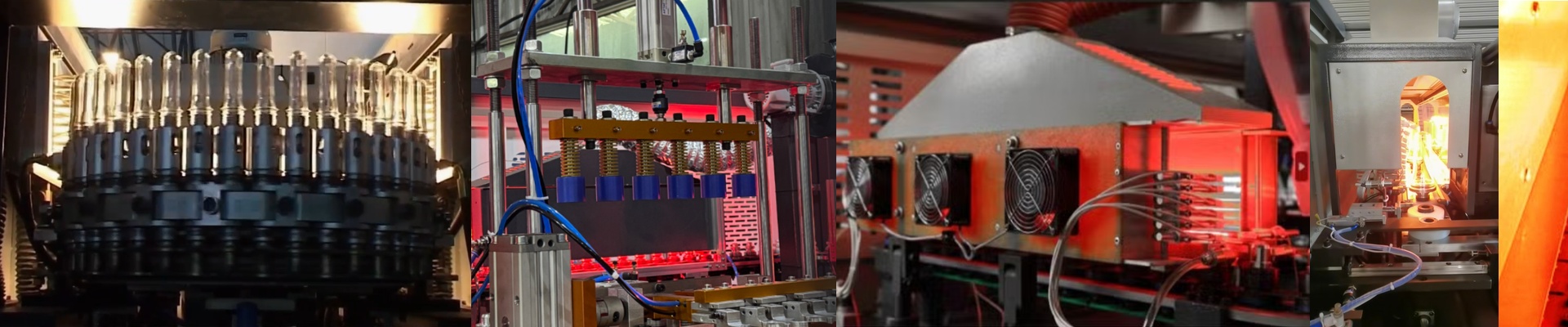
Most people are used to quartz or halogen tubes. But those can be finicky. We went with a high-density carbon weave because it spreads heat evenly across the whole lamp. No more “hot spots” that ruin half your pizzas. Plus, the material doesn’t sag when it hits peak temps. The best part? The short-wave radiation hits the dough fast. You spend less time with the oven door open, which means you aren’t bleeding heat (and money) into the kitchen.
The Nerdy Stuff (That Actually Matters)
In our latest tests, we’re seeing temperature stability within ±1°C. To get that, we paired the carbon fiber element with a high-frequency SSR and a calibrated K-type thermocouple. It’s a simple setup that plugs right into any standard PLC. One quick tip: if you’re running a high-wattage rig, double-check your power supply. You’ll need it to handle that initial inrush current, or you’ll be tripping breakers the second you flip the switch.
Getting It Installed
These are designed to be drop-in replacements for your current IR arrays. We also reinforced the end-caps. Why? Because constant heating and cooling makes metal expand and contract, which usually leads to oxidation and flaky connections. Not here. But here’s the thing you need to watch out for: physics. The faster you heat that pizza, the more heat dumps into the oven chassis. If your ventilation or insulation isn’t up to the task, the chassis will overheat. Once that happens, your sensors start to drift, and that ±1°C precision we talked about? Gone. Keep your airflow clear. Your sensors will thank you.