

Why Your Bakery Oven Keeps Burning the Crust
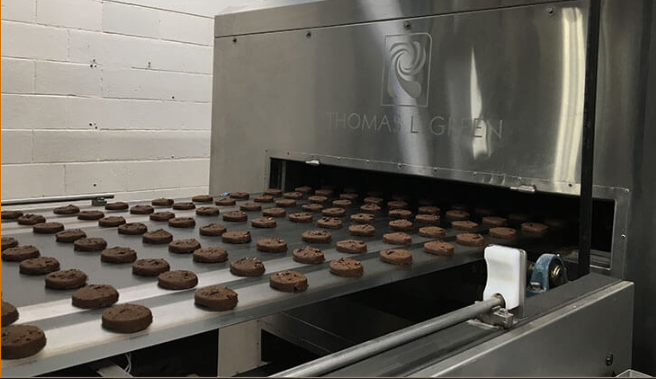
In a professional bakery, the gap between a perfect golden crust and a ruined batch is usually just a few seconds. Most ovens use standard heating elements, but they have a frustrating habit: they hold onto heat long after you’ve turned them off. It’s like trying to stop a freight train—you hit the brakes, but the thing just keeps rolling. That extra energy keeps dumping into your bread or pastry, and before you know it, you’ve overshot your temperature and burnt the product. That’s where linear infrared bulbs come in. They switch electricity into heat almost instantly.
Speed That Actually Matters
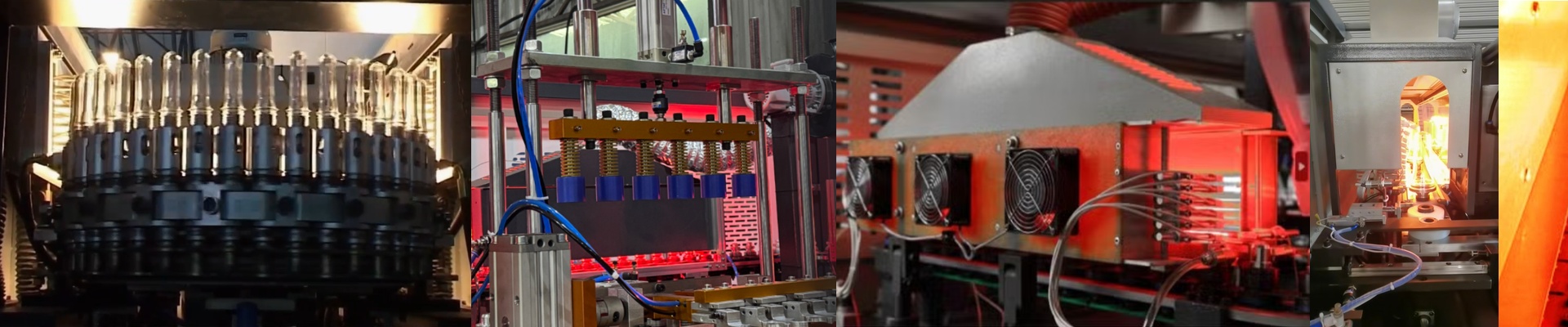
We use quartz-halogen tech because it strips away all that unnecessary bulk. The filament is tiny and the quartz shell is thin, so the lamp hits its target temperature in milliseconds. The best part? When you kill the power, the heat stops. Right then. This means you can get your temperature window down to ±1°C. You aren’t stuck waiting for a massive block of metal to cool down; the system just reacts. It makes the whole process feel tighter and way more predictable.
The Nitty-Gritty on the Hardware
Depending on how your oven is laid out, we usually go with tubes that pack a lot of wattage into a short length. This keeps the heat even across the entire tray so you don’t end up with “lucky” spots and “dead” zones. We also use R7s or SK15 connectors. Why? Because ovens vibrate. These connectors lock in tight so you aren’t dealing with loose wires in the middle of a rush. And to keep the bulbs from burning out too quickly, we fill them with halogen gas. It stops the filament from evaporating, which means the tubes last a lot longer, even when you’re pushing them hard.
The Reality Check
Now, this kind of power comes with a few catches. Because the energy is so concentrated, it travels in a narrow beam. If your pastries vary in height, you’re going to get hot spots. You’ve got to be smart about the distance between the lamp and the food, or you’ll scorch the tops. Also, let’s be honest: quartz is fragile. If your crew is a bit rough during the cleaning shift, these tubes will snap. Do yourself a favor and install protective guards. It’s a lot cheaper than replacing bulbs every time someone bumps into the equipment.