

Stop Waiting for Your Tableware to Sterilize
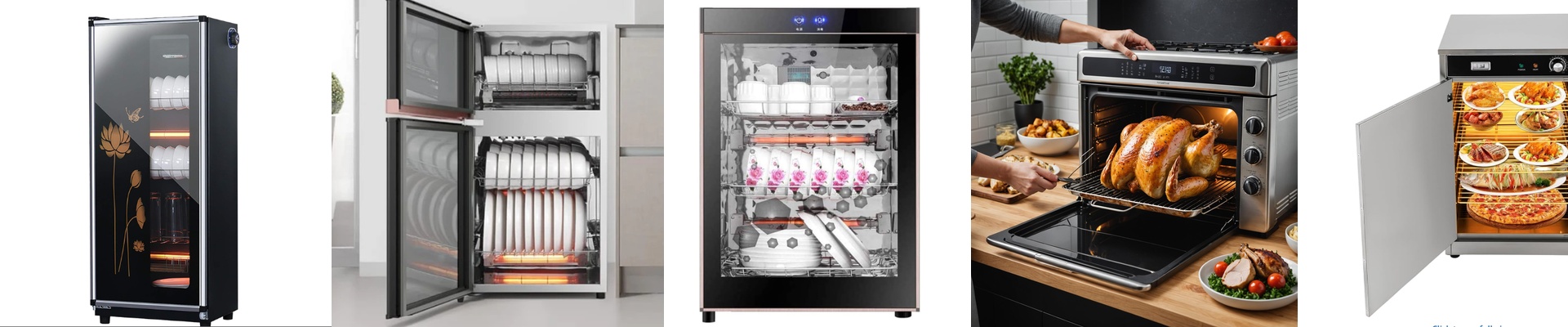
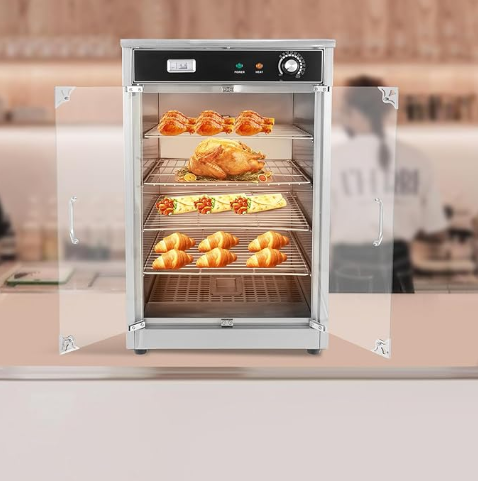
If you’ve ever worked with bakery tableware dryers, you know the frustration of the “lag.” You turn the heat on, and then you just… wait. Traditional heating coils take forever to warm up and even longer to cool down. It’s slow, and in a busy kitchen, slow is a problem. That’s why we built these infrared lamps differently. They don’t mess around. They hit sterilization temps in seconds, and the moment you flip the switch off, the heat stops. No lingering warmth, no wasting energy.
Why it actually works
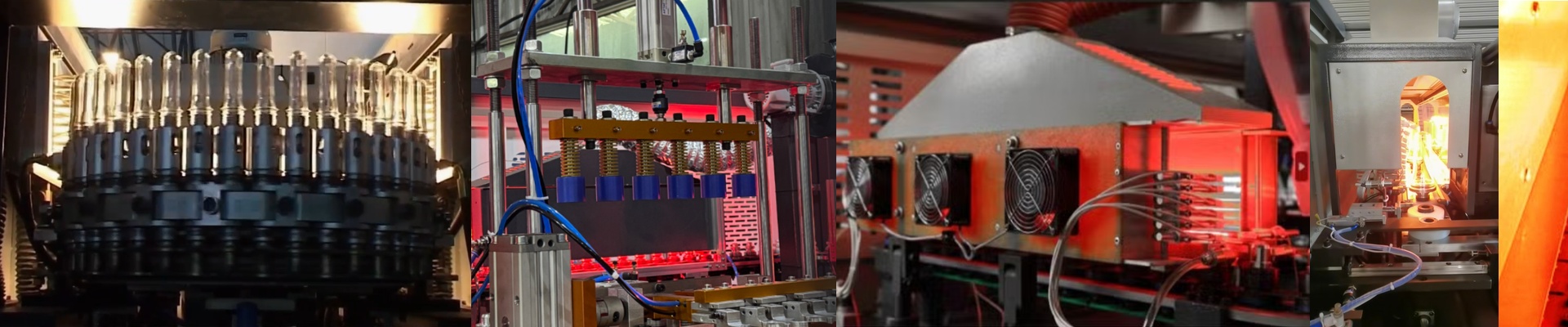
The secret is shortwave infrared. Most heaters try to warm up the air around the dishes, which is a waste of time. These lamps project energy directly onto the surface of the tableware. It’s instant. Because the heat doesn’t linger, you aren’t baking your cabinet chassis or burning through electricity while the machine sits idle. It just does the job and quits.
The nitty-gritty on the hardware
We use high-purity quartz glass for these tubes. Why? Because rapid heating and cooling is brutal on materials. Ordinary glass would just crack under that kind of thermal shock. We also pay close attention to the connectors—usually R7s or Sk15. If a connection is loose, it arcs. If it arcs, it burns out your socket. It’s a small detail, but it’s the difference between a lamp that lasts and one that fails in a week. **One quick warning:**Check your wattage and voltage. Make sure they match your ballast exactly. If you pop a high-wattage tube into a circuit that can’t handle it, you’re looking at tripped breakers or, worse, melted wiring.
Swapping them out (and a pro tip)
Installing these is easy. It’s a basic drop-in replacement: pull the old one, slide the new one in, and you’re back in business. But here is something most people miss:look at your reflector plates. Shortwave lamps put out a ton of concentrated heat. If your reflectors are pitted, oxidized, or just dirty, you’re losing a huge amount of efficiency. The lamp has to work harder and run hotter to make up for it, which means it’ll burn out way sooner than it should. While you’re changing the lamp, give those reflectors a look. If the coating is gone, it’s time to replace them too. Your equipment—and your electric bill—will thank you.