
Stop Buying New Machines Just to Speed Up Your Line
If you’re running a mid-sized bottle plant, you probably have a few aging blow molding machines that just can’t keep up anymore. It’s frustrating. You look at your cycle times and know you’re leaving money on the table, but the idea of dropping six figures on a brand-new machine is a nightmare. Here’s the thing: you usually don’t need a new machine. You just need to fix the bottleneck. Most of the time, that bottleneck is the heating stage. If you swap out your old, tired lamps for high-density infrared modules, you can slash your preform heating time and actually start hitting those higher bottles-per-hour targets.
Let’s talk heat
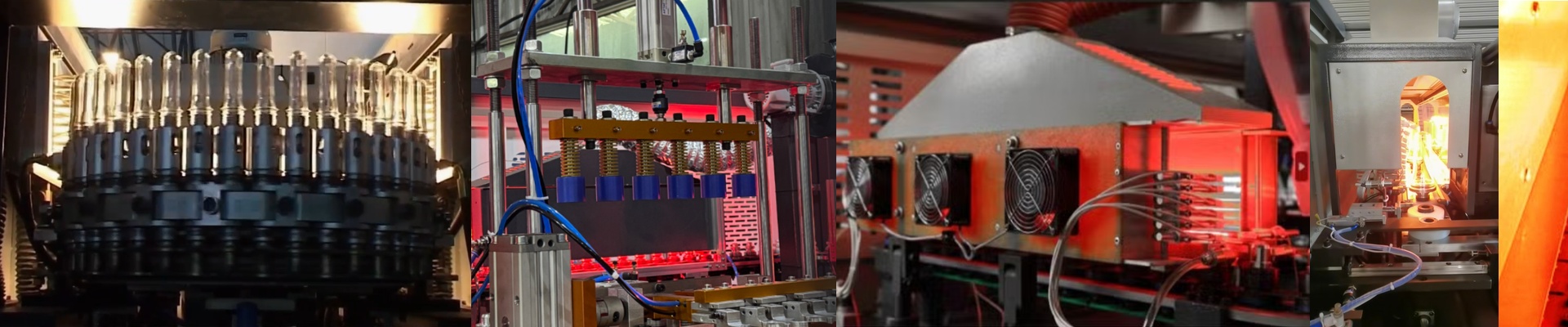
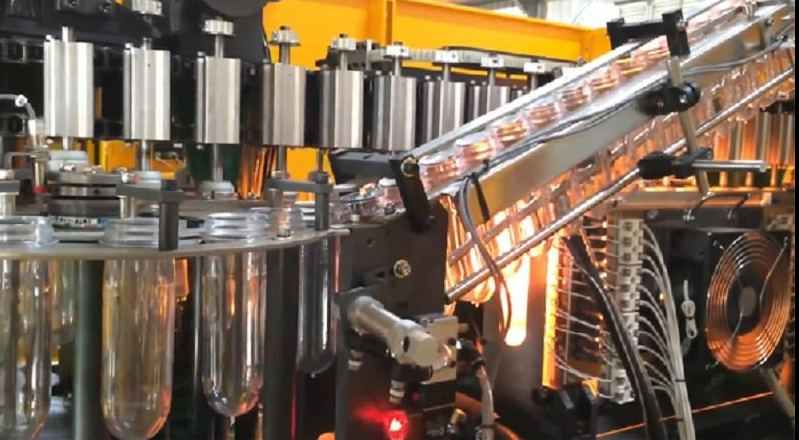
To get a line moving faster, you need more energy hitting that PET wall in a shorter window of time. It’s pretty simple. We build our modules to pack way more wattage into a smaller footprint. When you ditch a low-output lamp for a high-density quartz halogen tube, you’re cranking up the infrared flux. The result? Your preform hits that glass transition temperature much faster. But a word of caution. If you’re jumping to a 400V high-wattage setup, please check your wiring and power supply first. This kind of heat puts a lot of stress on your cooling fans. If your airflow isn’t up to the task, you’re going to end up warping your reflectors, and that’s a headache you don’t want.
The nuts and bolts
We stick with R7s and Sk15 connectors. Why? Because they just work. They’re the industry standard, which means you can drop these in without having to rewire your entire oven. We also use a special coating on the quartz glass. It shifts the emission spectrum so the heat actually goes into the plastic, rather than baking your machine frame.
What this actually does for you
The real win here is thermal uniformity. Old lamps are notorious for “cold spots.” When that happens, you’re forced to slow the whole machine down just to make sure the preform is heated evenly. It’s a slog. New modules get rid of those gaps. You get a consistent heat profile from top to bottom. Not only does that make the process smoother, but you’ll notice way less variation in your bottle wall thickness. Less scrap in the bin, more product out the door.