Why those old bathroom heat lamps are finally dying out
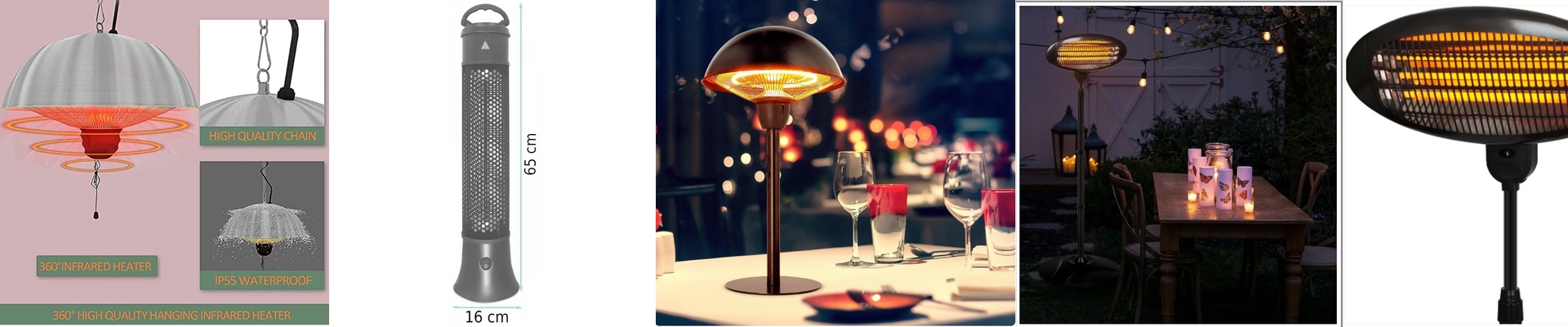
You know those old-school heat lamps in the ceiling? The ones that feel like they’re trying their best but never actually make the room warm? We’re seeing a huge shift away from those toward high-IP infrared heaters. Here is the honest truth: bathrooms are brutal on electronics. Between the steam and the splashes, the humidity basically eats through cheap insulation and electrical contacts. It’s a recipe for a short circuit. The battle against steam Most basic heaters aren’t really built for a wet zone. Steam sneaks into the housing, hits the terminals, and starts the oxidation process. Before you know it, the unit just burns out. That’s where the “High-IP” stuff comes in. It’s basically a fancy way of saying the heater is sealed tight. We use gaskets and moisture-resistant casings to keep the water and vapor far away from the live wires. It’s not about making it look pretty—it’s about making sure the thing actually lasts more than a couple of years. Feeling the heat (instantly) There is a big difference in how these things actually warm you up. Old heaters try to warm the air. But the second you open the bathroom door, all that warm air vanishes. It’s a waste. Infrared is different. It sends out waves of heat that hit your skin and the floor directly. You feel it the moment you flip the switch. No waiting around for the room to “warm up” while you’re shivering in a towel. Plus, since you aren’t trying to heat the walls and the ceiling, you aren’t wasting nearly as much power. A few things to watch out for If you’re thinking about swapping yours out, just keep a couple of things in mind. First, check your wiring. These infrared units pull more juice than a simple light bulb. You’ll want to make sure your circuit breaker and wires can handle the load so you aren’t tripping the power every time you want a warm shower. Also, check your ceiling space. Because these units are sealed for waterproofing, they tend to be a bit bulkier than those old lamps. At the end of the day, it just makes more sense. Seal the electronics, aim the heat at the person, and stop paying to heat the air.