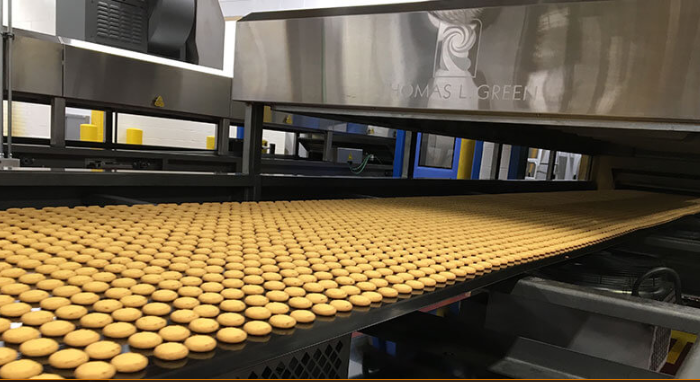
Getting That Perfect Golden Crust (Without Drying Out Your Bread)
If you’ve spent any time in an industrial bakery, you know the struggle. You want that deep, golden-brown crust, but you don’t want the inside of the loaf to turn into a crouton. It’s all about timing. Relying on convection alone is a gamble because you’re just waiting on the air to heat up. That’s why we use frosted quartz IR lamps. They hit the bread with immediate, high-intensity heat, triggering that Maillard reaction in a matter of seconds. Why the “frosted” part matters Think of a standard clear quartz lamp like a flashlight—it puts out a concentrated beam. In a big oven, that’s a recipe for disaster. You end up with burnt edges and pale spots. By using a frosted finish, we scatter that heat. It spreads out. Instead of burnt streaks, you get one consistent, gorgeous color across the whole batch. Control that actually keeps up Most heating elements are slow. They take forever to warm up and even longer to cool down. These IR lamps? They react in seconds. You can flip them on the exact moment the bread hits its final rise and kill the power the second it looks right. It’s a level of precision that stops you from accidentally over-baking your product. The catch (because there’s always one) Here is the thing: these tubes put out a massive amount of heat, but they’re fragile. One bad vibration from the oven or a technician bumping a lamp during a cleaning shift, and you’ve got a crack. You have to be obsessive about your mounting brackets and make sure your wiring can actually handle the thermal load. Making it work on the floor The sweet spot is a hybrid setup. Let the fans handle the internal bake and let the IR lamps handle the coloring. It shaves a lot of time off the total bake. Just a heads-up: check your control board. These lamps switch on and off fast, and if your relays aren’t up to the task, they’ll burn out pretty quickly.