Stop Fighting Bathroom Mold With a Sponge
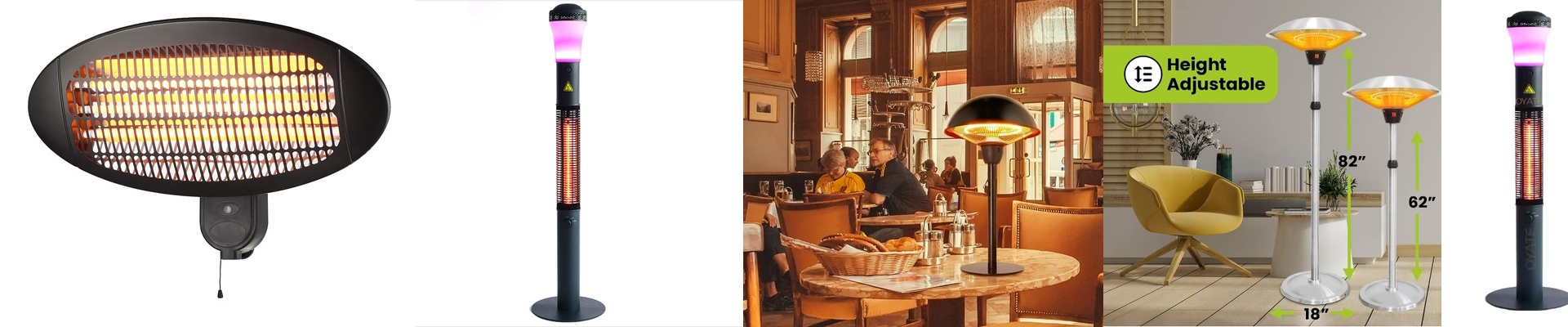
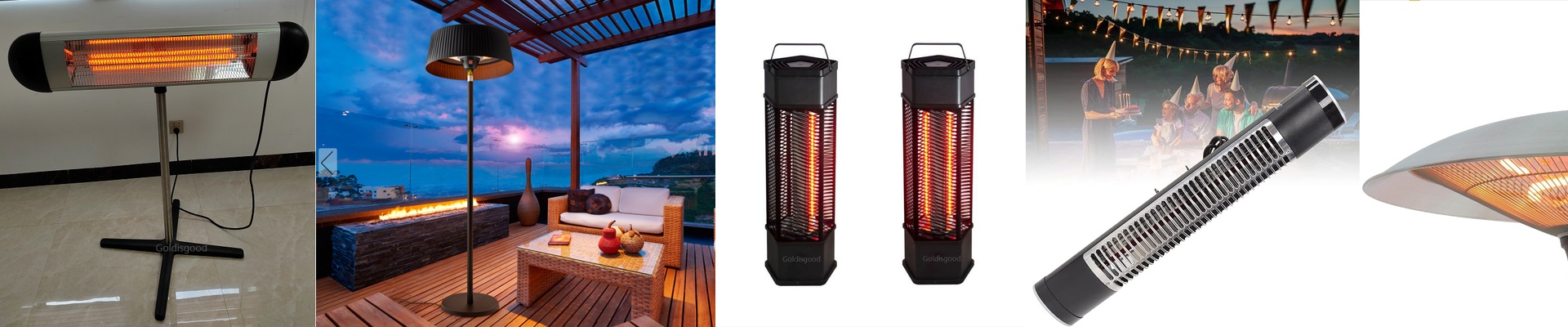
Most people buy a bathroom heater because they hate shivering when they step out of the shower. That makes sense. But if you look closer, these heaters are actually secret weapons for keeping your bathroom dry. When we talk about using an IPX5-rated infrared lamp, we aren’t just talking about getting warm. We’re talking about getting rid of that annoying dampness that clings to your walls.
Why your current heater might be failing you
Standard heaters just warm up the air. The problem? Your tiles and grout stay cold. Water loves those cold spots. It clings to them, sits there, and eventually turns into mold. Our shortwave infrared lamps do things differently. Instead of heating the air, they send out energy that hits the wet surfaces directly. It basically shakes the water molecules until they turn into vapor. By warming up the walls and ceiling, the moisture has nowhere to hide—it just evaporates. This helps your exhaust fan do its job way faster than a regular heater ever could.
Built for the splash zone
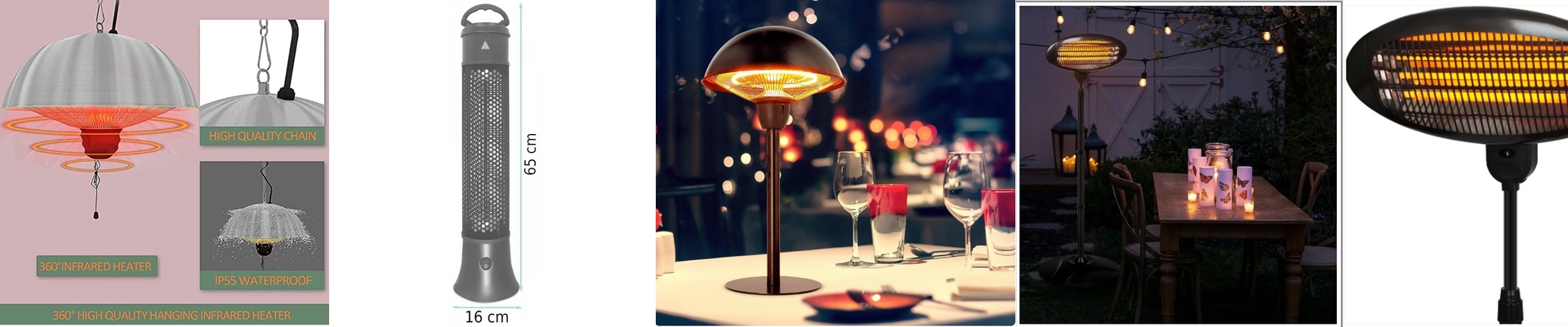
Let’s be real: water and electricity are a nightmare pairing. That’s why the IPX5 rating matters. It means the housing is tough enough to handle water jets from pretty much any angle without breaking a sweat. We seal the terminals and use reinforced quartz glass so moisture doesn’t sneak in and fry the filament. It’s built to last, even in a steamy wet-room. One tip: watch your wattage. If you put too much power in a tiny bathroom, you’ll bake yourself. Too little, and you won’t get the surfaces warm enough to actually stop the mold. It’s all about finding that sweet spot for your room size.
The catch (because there’s always one)
Infrared is fast. Like, instant-heat fast. But here’s the thing: it only works if the lamp can “see” the surface. It’s a line-of-sight deal. If you’ve got deep alcoves or heavy shower curtains blocking the way, those spots will stay cold and damp. To actually see a difference in your mold problem, you’ve got to position the lamps where the moisture hits the hardest. Point them at the problem areas, and let the physics do the heavy lifting.