
Making Bathroom Heaters That Don’t Blind You
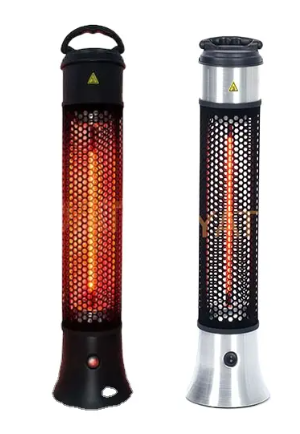
When we’re building infrared heaters for bathrooms, the real headache isn’t actually the heat. It’s the light. Most short-wave lamps are basically spotlights. They blast out a level of brightness that’s just too much, especially if you’ve got a baby in the tub. Nobody wants a blinding glare while they’re trying to relax. To fix this, we use coated quartz tubes and spectral filtering to shift how the light behaves. Keeping eyes safe Standard halogen lamps throw out a broad, harsh spectrum. To stop that, we add a filter that knocks out the blinding visible light and those nasty UV spikes, but lets the warmth slide right through. The result? A soft, gentle glow instead of a flashbang. We spend a lot of time calibrating this so the heat hits your skin exactly where it should, without stressing out your retinas. The battle with steam and heat Water and electricity are a terrible mix. That’s why we wrap everything in an IP65-rated enclosure. It keeps the steam and splashes away from the terminals. But here’s the catch: a tight seal traps heat. If you don’t build in a proper heat sink or leave a gap for ventilation, the guts of the heater will just fry themselves. We use high-temp gaskets that can handle the constant heating and cooling without melting into a puddle. Setup and the “gotchas” We stick with R7s or similar plug-and-play connectors. It makes life easier for everyone. When a tube finally dies, you just pop a new one in. No need to rip out the wiring or call in a specialist. One thing to keep in mind: because these lamps are filtered, they aren’t as bright as raw quartz tubes. If you need the room to be well-lit while it’s warm, you’ll want to add a separate LED circuit. But if you’re just looking for warmth in a wet zone, this is the way to go.