
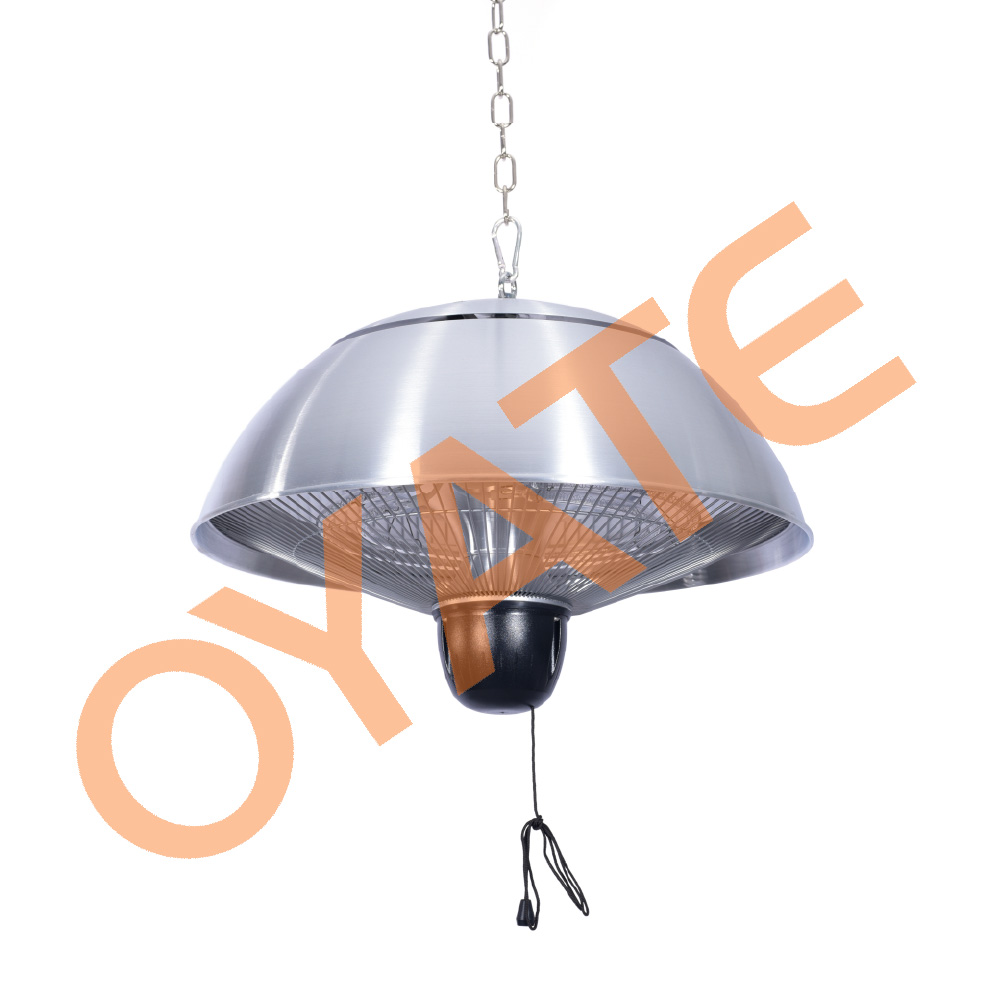
Keeping Things Safe When You Put Heat Near Water
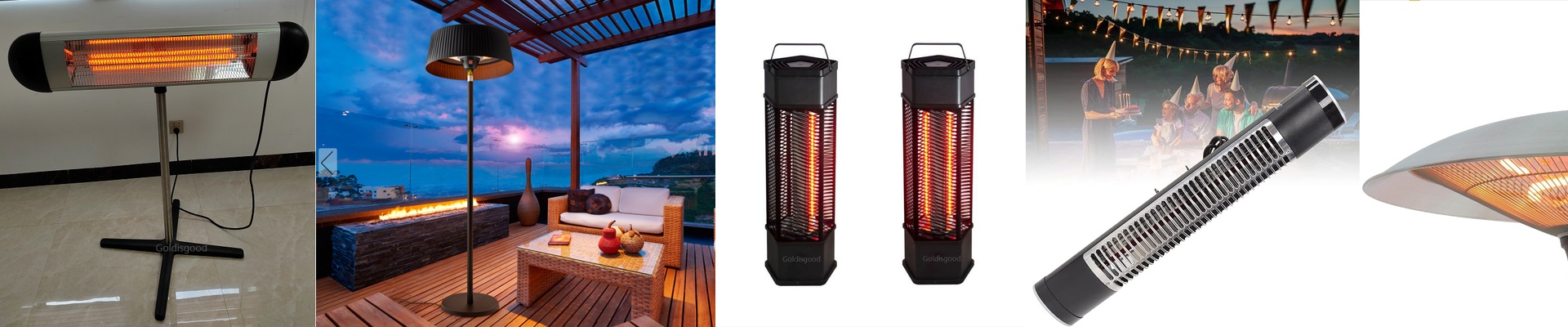
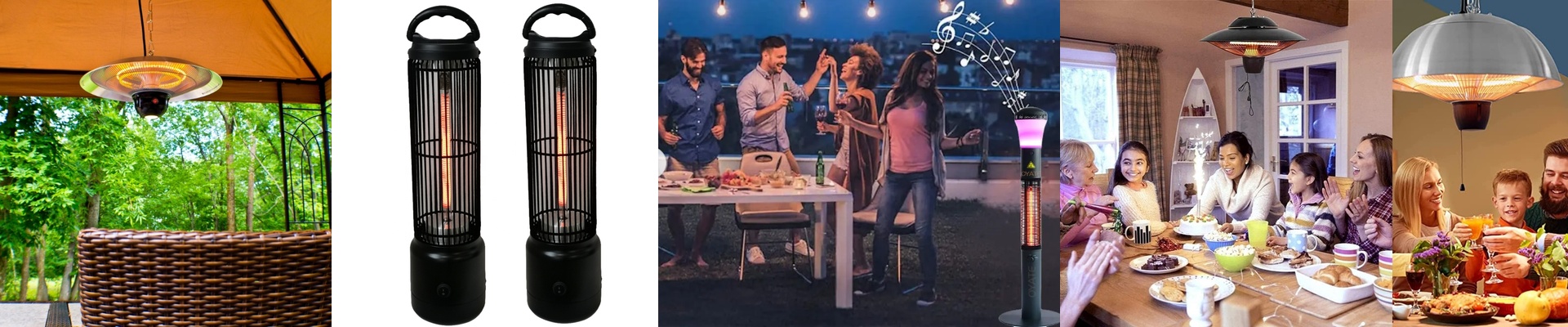
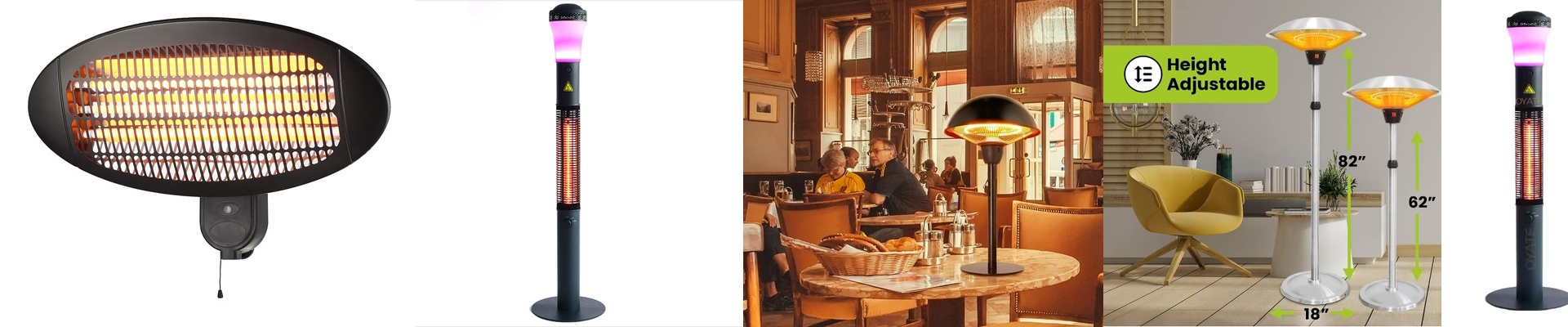
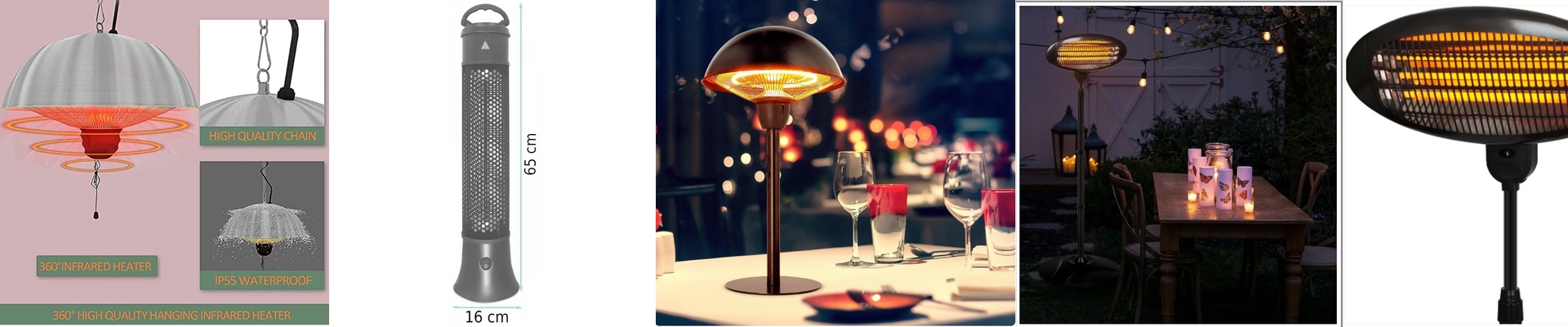
If you’re planning to put infrared heaters in a pergola or a bathroom, you’re playing a risky game. You’ve got high-voltage electricity on one side and water vapor on the other. It’s a bad mix. Most people try to use standard quartz tubes, but those just don’t cut it here. Imagine a tube sitting at 600°C. One stray drop of water hits it, and crack. Thermal shock. The whole thing fractures instantly. That’s why you need explosion-proof quartz glass. Period. The deal with explosion-proof glass We use a heavy-wall quartz that can actually handle those wild temperature swings. Standard glass just can’t take the hit when it cools down too fast. Our tubes are built to stay solid, even when things get misty or damp while they’re running. It’s a huge relief knowing the tube won’t shatter and drop live electrical filaments right into a wet area. Nobody wants that. How it actually heats up These lamps use short-wave infrared. Instead of trying to warm up the air—which is a losing battle outdoors—the heat goes straight to you. You feel it instantly. We use a high-purity silica base so the light passes through the glass without getting trapped. This means the heater ramps up fast. You aren’t standing around waiting to feel warm. One quick tip: watch your wiring. These units pull a lot of power. If you use wires that are too thin, you’ll get voltage drops, and your heat output will tank. The real-world installation stuff When you’re fitting these into a shower or a pergola, you need a tight, IP-rated seal. Even with the tough glass, the terminals are where things usually go wrong. I always suggest using high-temp silicone gaskets to keep the steam out of the sockets. And be smart about the wattage. More power means more concentrated heat. If you cram too many units into a tiny space, you might actually overheat the mounting brackets. Just balance the wattage with the size of the room. It keeps the elements from burning out too early and keeps everyone safe.