Stop Your Bathroom Heater From Dying Early
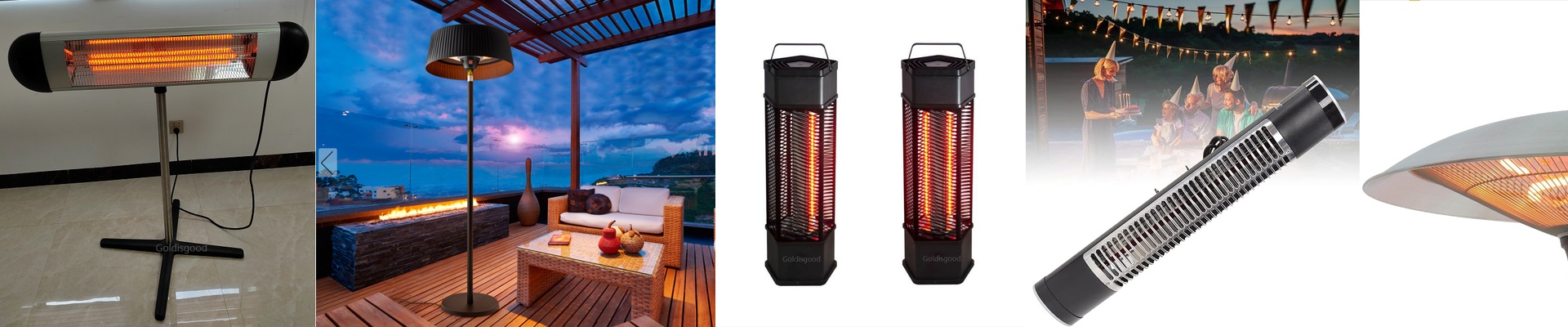
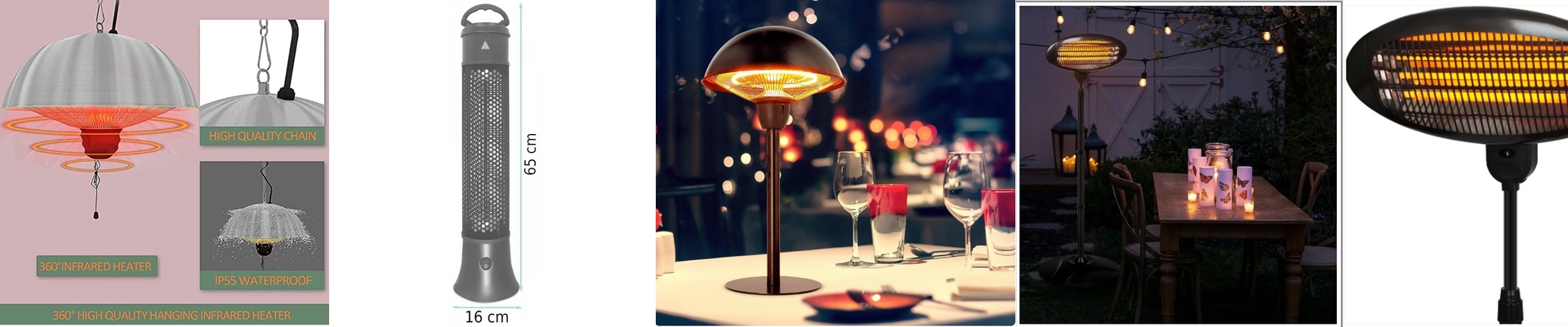
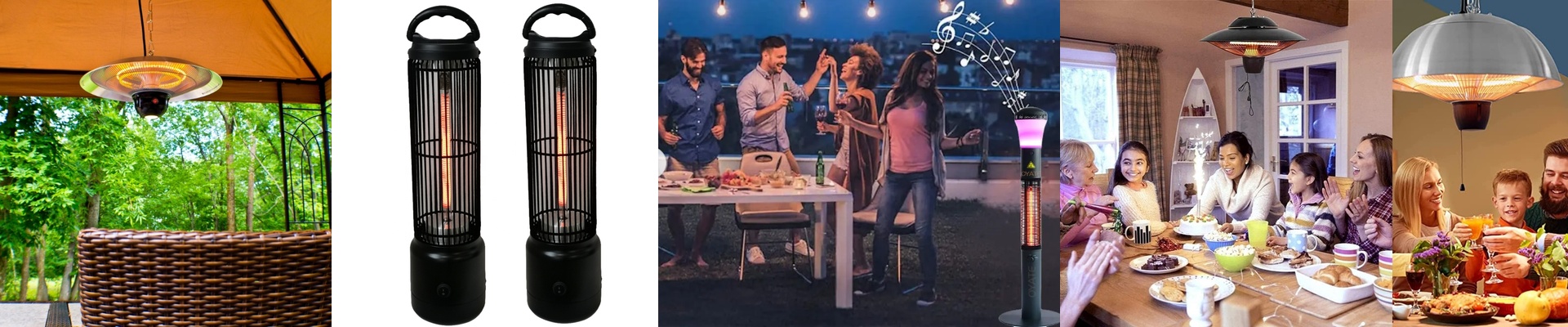
Let’s be honest: bathrooms are a nightmare for electronics. Between the steam from a hot shower and the occasional splash of water, most heaters just aren’t built for the job. They aren’t just fighting the cold; they’re fighting a constant battle against moisture. If water sneaks into the electrical contacts, it’s game over. You get a short circuit or a burnt-out unit, and suddenly you’re shivering in a cold room. Keeping the water out We solve this by focusing on the “leak points.” Most heaters fail right where the wiring meets the heating element. To stop that, we use high-temperature silicone gaskets to seal everything tight. It’s basically a waterproof shield for the guts of the machine. Then there’s the glass. You know how your mirror fogs up? The same thing happens to heater lenses. That fog acts like a wall, scattering the heat and making the heater feel weak. We use tempered glass with a special hydrophobic coating—basically, it repels water. The rays stay focused, and you actually feel the warmth the second you turn it on. Handling the heat We use short-wave quartz tubes because they’re fast. Like, instant heat fast. But here’s the catch: those tubes get incredibly hot—up to 600°C—and then they cool down quickly when you flip the switch. That constant swinging between extreme heat and room temperature can warp cheap materials. That’s why we use reinforced reflectors. They don’t bend or buckle, no matter how many times you cycle the power. One quick tip: make sure your bathroom has decent ventilation. Even the best seals in the world have a limit if the room is basically a sealed sauna. Setting it up for the long haul These are designed to be simple drop-in replacements for your ceiling mounts. We also used corrosion-resistant alloys for the housing, so you don’t have to worry about rust eating away at the unit in a damp room. Instead of replacing your heater every couple of winters, this setup is built to last for years of daily use. Just make sure your grounding is solid—these pull a lot of power when it’s freezing outside, and you want everything running safely.