Why Your Bathroom Heater Shouldn’t Explode
If you’ve ever designed a heater for a bathroom, you know the nightmare scenario: a tiny drop of cold water hits a quartz tube glowing at 800°C. Crack. Just like that, the vacuum collapses or you get a nasty electrical arc. It’s the classic problem of thermal shock, and it’s exactly why we use explosion-proof quartz.
Dealing with the “Shock”
Now, “explosion-proof” sounds intense, but it’s not some magic new element. It’s really about how we treat the glass. We use a process called annealing and add specific coatings to make the material less reactive to temperature swings. Basically, when a stray water droplet hits the tube, the glass can expand and shrink without developing those tiny, invisible fractures that eventually lead to a shatter. A lot of cheap heaters use thin-walled glass to save a buck. We don’t. We go with thicker, high-purity silica. It’s tougher. It can take a beating from rapid temperature changes and just keep on glowing.
Keeping the Water Out
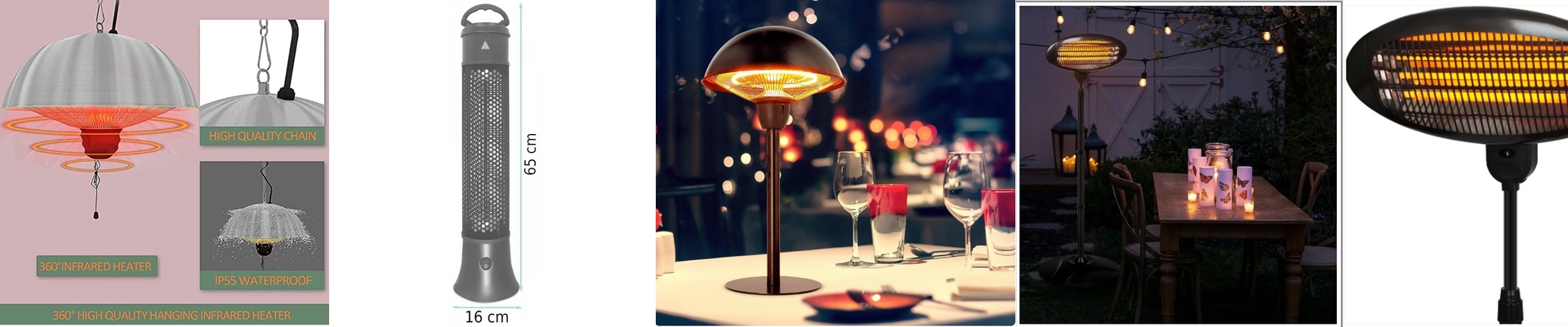
Making a lamp “waterproof” takes more than just putting it in a box. We pair the quartz tube with high-temp silicone gaskets and IPX4-rated housings to keep the dampness away. Inside, we usually go with a halogen-filled core. The cool thing about halogen is that it lets the filament run hotter while keeping the actual glass envelope a bit cooler. It’s a win-win because the lamp lasts longer. We also put a lot of focus on the end-caps. We reinforce them so moisture can’t wick its way into the electrical terminals. If water hits those contact points, you’ve got a short circuit on your hands. Our seals stop that from ever happening.
The Trade-off
Here’s the thing about high-wattage quartz: you get that instant, cozy heat the second you flip the switch, but it pulls a lot of power. If you’re wiring these into a home, you’ve got to make sure your wire gauge is thick enough to handle the current. If the wiring is too thin, the wires will overheat before the lamp even gets going. You’re essentially trading a bit of energy efficiency for that “instant-on” feeling. But in a cold bathroom on a winter morning? That’s a trade most people are happy to make.