
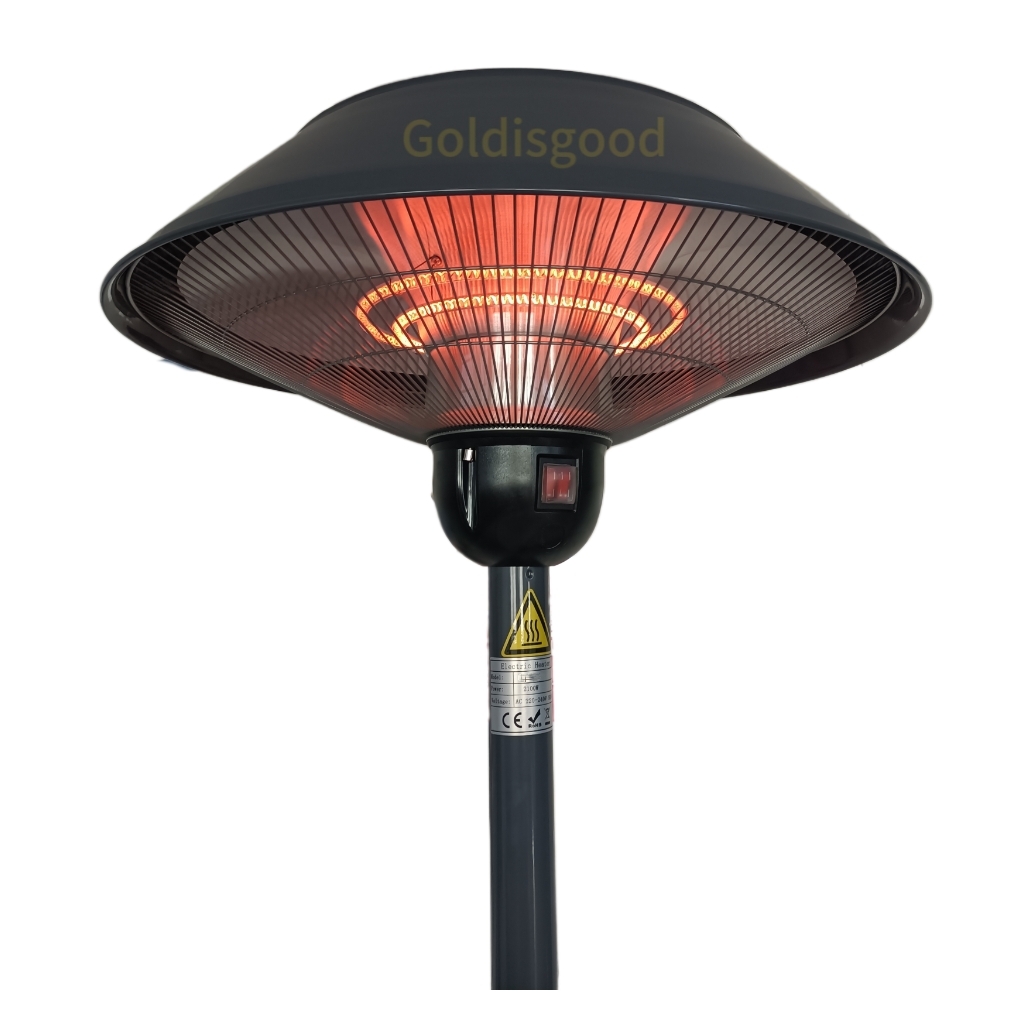
Why we put our bathroom heaters through a “humidity hell”
Bathrooms are honestly a nightmare for electronics. You’ve got thick steam, random splashes of water, and temperatures that jump from freezing to sauna-hot in minutes. If a seal is slightly off or a coating has a tiny crack, the heater is toast. It’ll short out or rust through in a few weeks. We aren’t interested in guessing if a unit will last. Instead, we use damp-heat aging tests to basically torture our heaters—forcing them to fail in our lab so they don’t fail in your home.
The real struggle with water protection
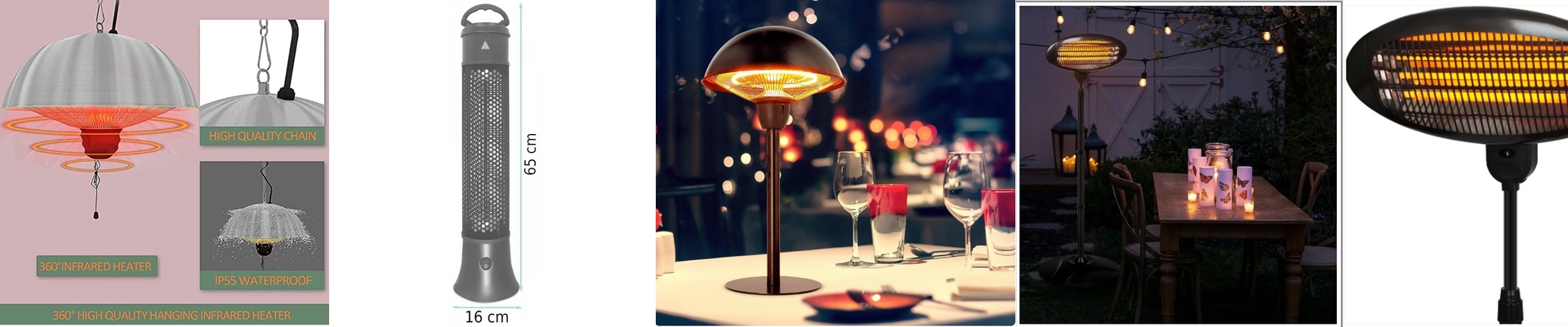
You’ll see “IP65” on the box. In plain English, that means the outer shell keeps out dust and water jets. But the shell is the easy part. The real headache is where the wiring meets the heating element. If even a tiny bit of moisture sneaks in there, it causes oxidation. That creates resistance, which leads to hotspots, and eventually, the whole connection just burns out. To stop this, we lock our units in high-humidity chambers for days. It’s like fast-forwarding years of bathroom steam into a few tests. We watch closely to make sure the seals hold and that no moisture is migrating toward the guts of the machine.
Dealing with the “breathing” effect
Infrared lamps get incredibly hot. When that intense heat hits a damp room, you get these constant cycles of condensation. It creates a sort of “breathing” effect, where the unit actually sucks moist air into the housing as it cools down. To fight this, we use specific gaskets and potting compounds—basically a high-tech sealant—to block the air out entirely. We also keep a close eye on the quartz glass and the reflectors. If the humidity causes the reflector to peel or get cloudy, you lose heat. You’ll notice it immediately because the room just won’t feel as warm.
The balancing act
Here’s the tricky part: if you seal a unit too tight, you trap the heat inside. A perfectly waterproof box can actually cook its own internal parts if we don’t get the airflow and heat sinks exactly right. It’s a delicate balance. We need it watertight, but we also need it to breathe enough so it doesn’t trip the thermal safety switch the moment you turn it on. That’s why we run these tests for hours on end. We’re looking for that sweet spot where the heater stays dry, stays cool, and actually does its job.