Stop Fighting Your Bathroom Mold (And Just Dry the Walls)
Most people think those bathroom heat lamps are just for keeping you warm while you’re in a towel. But if you look at it from a builder’s perspective, it’s actually about winning the war against water vapor.
How the heat actually works
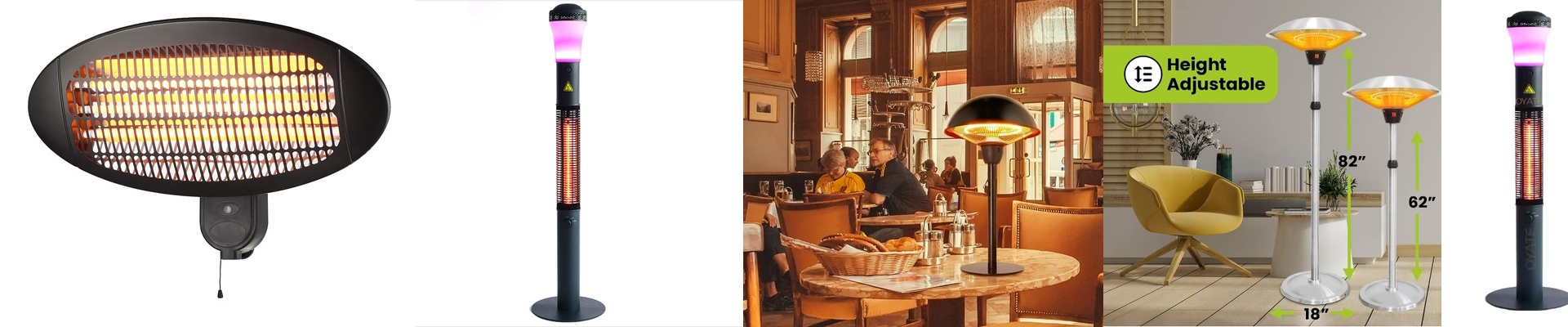
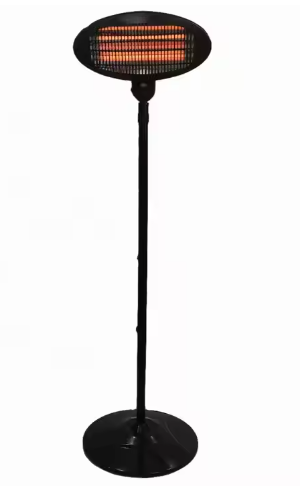
We use something called short-wave infrared. Now, don’t let the name bore you. Here is the simple version: regular heaters just warm up the air. These lamps are different. They shoot heat directly into the surfaces—your tiles, your grout, your walls. By warming the walls themselves, we stop that annoying condensation from ever settling. It basically tricks the room into staying dry.
Killing the mold before it starts
Mold loves a damp home. If your walls stay wet, mold moves in. It’s that simple. These heaters provide a “dry heat” that makes standing water vanish. The infrared energy basically shakes the water molecules until they turn into gas. It happens way faster than just leaving the door open or relying on a cheap vent. There is a catch, though. High-power lamps can be blinding if the reflectors are off. That’s why we use a special coating on the glass. You get all the heat, but none of the “staring-into-the-sun” glare.
Built for the steam
Bathrooms are brutal on electronics. If you just throw a standard heater in a shower zone, the moisture will eat the wiring alive. We build these things to take a beating. We’re talking sealed housings and ceramic insulators that don’t short out when things get steamy. It’s rugged stuff. One last tip: make sure your exhaust fan is running at the same time as the heater. The lamp turns the water into vapor, and the fan kicks it out of the house. If you don’t have that airflow, you’re just moving the dampness from the wall to the air.