
Stop Renting Scissor Lifts Every Time a Heater Dies
Let’s be honest: putting infrared heaters in a factory with high ceilings is usually a nightmare. Everything is fine until a heating element burns out thirty feet up. Suddenly, you aren’t just replacing a part. You’re scrambling to rent a scissor lift, blocking a production lane, and praying the repair doesn’t take all day while your crew freezes. It’s a massive headache that just doesn’t need to happen. We got tired of that friction, so we changed how these things are built.
The “Swap and Go” Approach
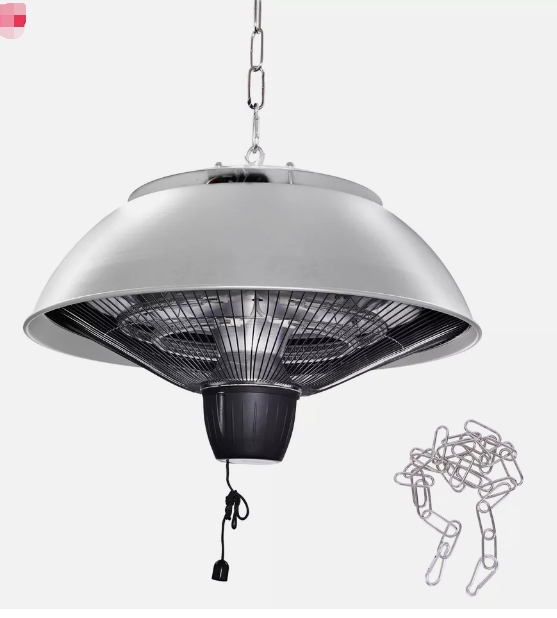
Most industrial heaters are hard-wired or built into a single, chunky housing. If one piece breaks, the whole unit is basically trash, or you’re spending hours rewiring the junction box. We decided to decouple the heating elements from the chassis. Think of it like a cartridge. We use standardized, plug-and-play connectors. When a tube finally hits its limit after a few thousand hours of heavy use, you don’t tear down the mounting brackets. You just pull the old one out and drop a new one in. It takes minutes. Not hours.
Dealing with the Real World
If you’ve run a shop for five years, you know the deal. Things wear out. Reflectors get dull, filaments degrade, and the heat just isn’t what it used to be. In a traditional setup, you’d probably just rip out the entire array and start over. But with a modular build, you only fix the specific spots where you’re losing heat. Now, some people ask about the connectors. Sure, a plug-in connector has a tiny bit more resistance than a direct solder. But we use high-temp terminals that don’t warp when things get hot, so you get the convenience without sacrificing the performance.
What This Actually Means for Your Floor
When you go modular, maintenance stops being a “major project” and just becomes a quick chore. No more rewiring the ceiling. No more shutting down half the warehouse. You just swap the module and get back to work. If you’re running 24/7, this is a lifesaver. There is nothing worse than a winter breakdown that leaves your entire floor freezing because you’re waiting on a lift to arrive. With this setup, you keep the heat on and the downtime low. Simple as that.