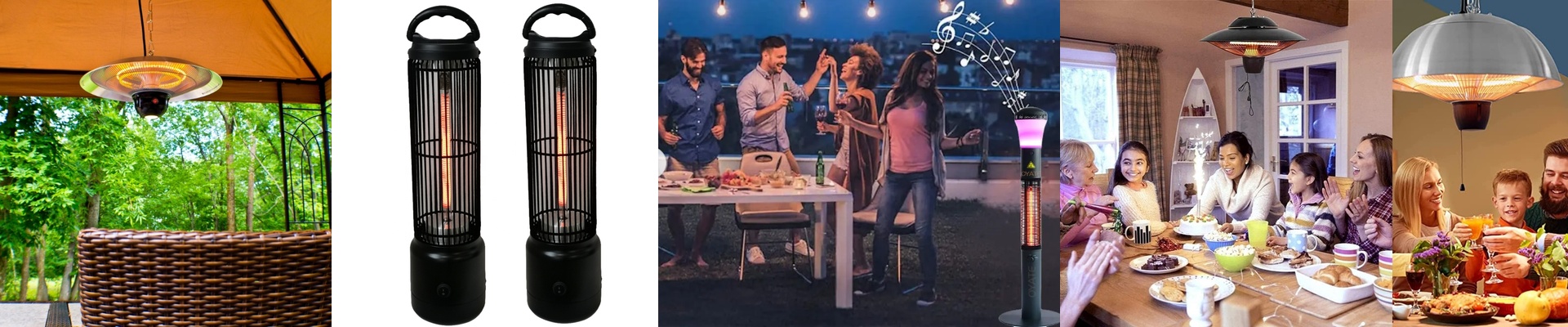

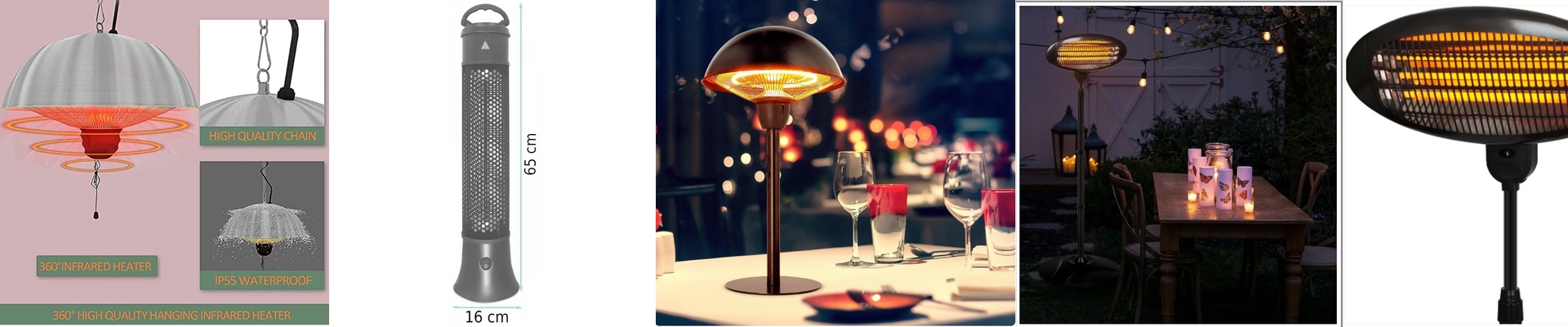
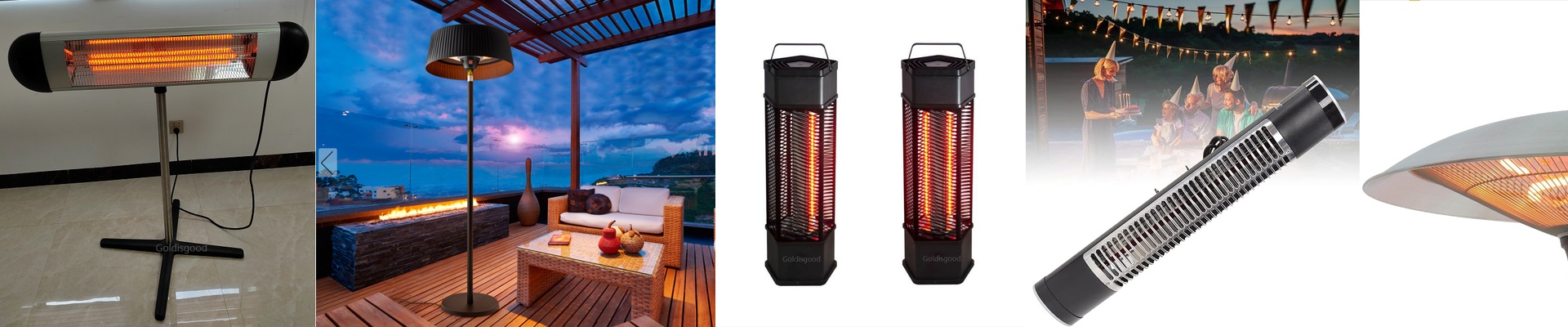
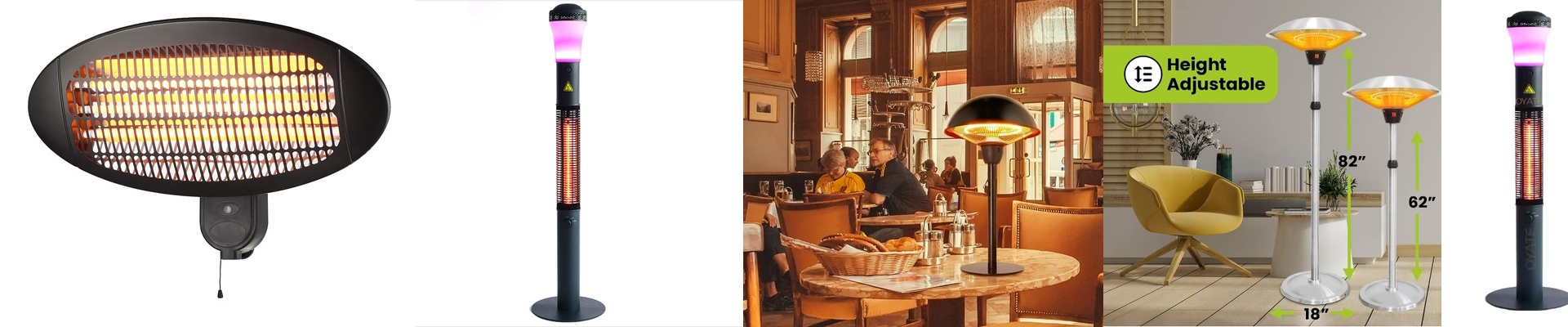

Why Waterproof Infrared Table Heaters Actually Work
Let’s be honest: heating a changing room or a wet area is a nightmare. If you use a standard heater, you’re basically just trying to warm up the air, which takes forever—and the second a damp breeze hits, all that warmth vanishes. That’s why we went with shortwave infrared. Instead of fighting the air, these waves go straight for the skin and clothing. You don’t wait for the room to warm up. You just feel it.Immediately.
The magic behind the heat
Inside these heaters, there’s a tungsten filament tucked into a quartz tube. Once the power kicks in, that filament gets hot enough to blast out shortwave radiation. The best part? It doesn’t need a mirror or a reflector to push the heat around. It just hits the target. For someone stepping into a freezing changing area, it kills that “bone-chilling” cold the moment they step into the zone. It’s a total relief.
Keeping the water out
Water and electricity are a terrible mix. If moisture leaks in, the whole thing shorts out or starts to corrode. To stop that from happening, we seal every electrical junction with high-temp silicone or epoxy resins. We also make sure the housing hits the right IP ratings so it can handle splashes and thick humidity without breaking a sweat. We also wrap the quartz tube in tempered glass or a tough polymer shield. Why? Because if that tube cracks, the vacuum is gone and the filament burns out in a heartbeat. The shield keeps it safe from bumps and water.
A few things to watch for during install
Fitting these into tables or benches is a bit of a puzzle because space is tight. First, make sure your wiring can handle the wattage. You don’t want voltage drops making your heater feel lukewarm. And while we want a lot of heat, the housing still needs a little room to breathe. Here’s a tip: if you’re sliding these into a wooden table,don’t skip the insulation. If it’s too tight, you might actually char the furniture. Also, double-check your circuit breakers to make sure they can handle that initial surge of power when you flip the switch.