
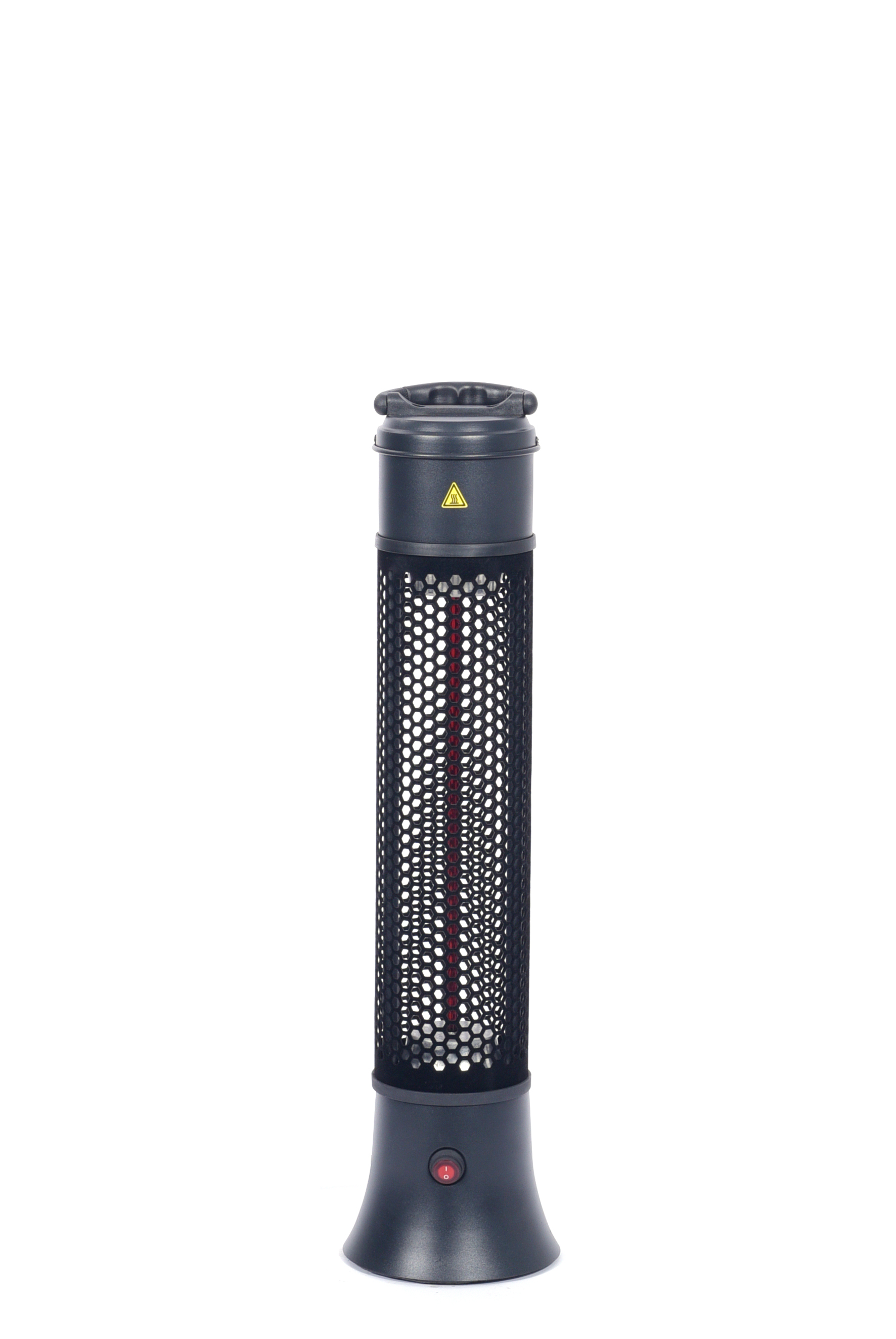
Getting Your Bathroom Heat Just Right (Without Wasting Cash)
When you’re picking out an infrared heating lamp, your first instinct might be to just grab the one with the biggest number on the box. But here’s the thing: more power isn’t always better. It’s more about how much “oomph” you actually need for the size of your room. Bathrooms are tricky. Between the cold tiles, the glass shower doors, and the steam, heat just seems to vanish. If you don’t get the balance right, you’re either shivering in a towel or paying for electricity you aren’t even feeling.
The “Goldilocks” Zone of Wattage
Think of it like this. If you cram a 1500W lamp into a tiny powder room, it’s going to feel like a sauna in seconds—and you might even trip the safety switch because it’s just too much for that small space. On the flip side, putting one little 600W lamp in a massive master bath is basically pointless. You’ll be standing right under it feeling okay, but the second you step a foot away, you’re freezing again. Since these use shortwave infrared, they don’t actually warm up the air. They warm you and whatever they’re pointing at. That means where you hang the lamp matters just as much as how powerful it is.
The Trade-offs You Should Know About
Sure, a 1500W lamp is fast. Like, “instant warmth” fast. But there’s a catch. These high-power units pull a lot of juice. If you’re updating an older home, be careful. Your old wiring might not love it when you flip on two or three heavy-duty lamps at once. You don’t want to spend your morning resetting the circuit breaker. And if your bathroom is particularly drafty—maybe you’ve got an old window or thin walls—you’ll probably want to lean toward a higher wattage to make up for that heat leaking out.
How to Actually Set It Up
If you want to stop wasting money on your power bill, try “zoning” your heat. Put a strong 1500W lamp right where you step out of the shower—that’s where you need that immediate blast of warmth. Then, use smaller 600W or 800W units around the vanity or mirror. This keeps the room feeling cozy without creating one giant, scorching “hot spot.” Plus, do yourself a favor and hook them up to a timer or a humidity sensor. There’s nothing worse than realizing you left a high-wattage heater running for six hours while you were at work.