
Why Most Industrial Heaters Die (And How We Fixed It)
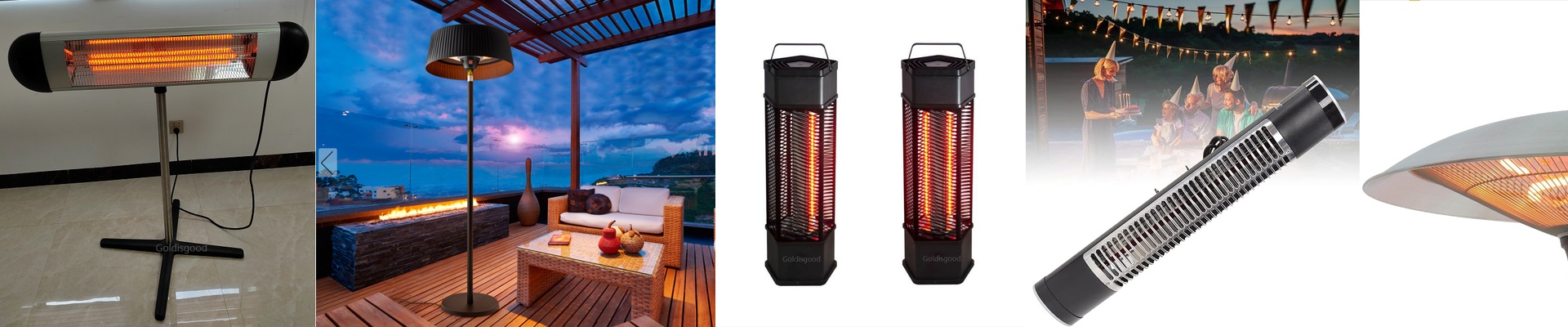
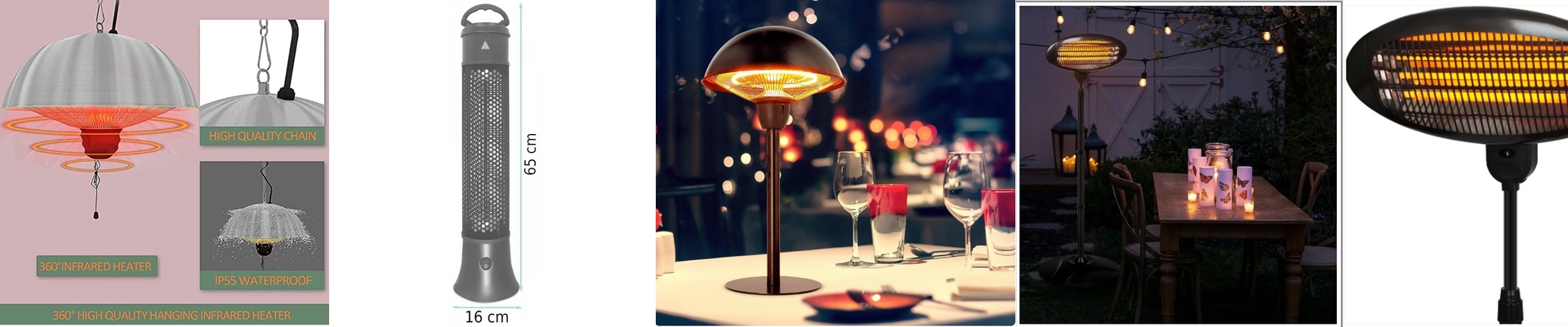
Water is the enemy. Plain and simple. When moisture sneaks into an industrial infrared heater, things go south fast. Whether it’s a stray splash or just heavy condensation, water hitting a red-hot quartz tube causes thermal shock. Or worse, it seeps into the electrical terminals and you’ve got a short circuit on your hands. That’s why we built our splash-proof line to hit IPX4 standards. We wanted to stop those avoidable failures before they happen. Dealing with the wet stuff An IPX4 rating basically means the unit can take a splash from any direction and keep on ticking. We didn’t just slap some sealant on it; we redesigned the chassis and added gaskets at every single entry point. It’s not just about actual leaks, either. Think about those high-humidity factories or wash-down areas where there’s a constant, heavy mist in the air. By keeping that moisture away from the heating element, we stop the “burn out” that happens when a tiny droplet hits a 500°C surface. It’s a violent reaction, and it kills heaters. The trade-offs Here’s the thing: you can’t just seal a heater in a plastic box and call it a day. If you trap all that heat inside, you’ll fry your own wiring. To solve this, we spent a lot of time on the airflow. We used specific vents that let the heat breathe but keep the water out. You’ll probably notice the casing feels a bit heavier than a standard heater. That’s because we used thicker gauge steel and specialized coatings so the whole thing doesn’t just rust away in a damp environment. A few tips for the install When you’re wiring these up, do yourself a favor and make sure those cable glands are tightened exactly to spec. One loose gland and your IPX4 protection is gone. These are great drop-in replacements for standard IR units in damp zones. Just keep in mind that because they’re more sealed, they run a bit hotter on the inside. Just make sure your ambient ventilation is dialed in so the control board stays happy. The best part? You can ditch those bulky, expensive external enclosures. It cleans up your machine’s footprint and makes maintenance a lot less of a headache.