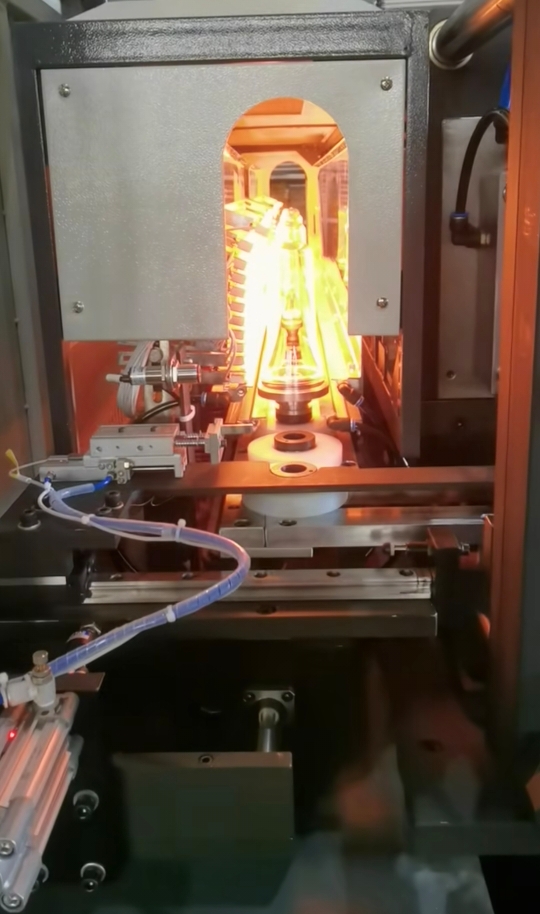
Stop Replacing Your Blow Molding Machines—Just Fix the Heat
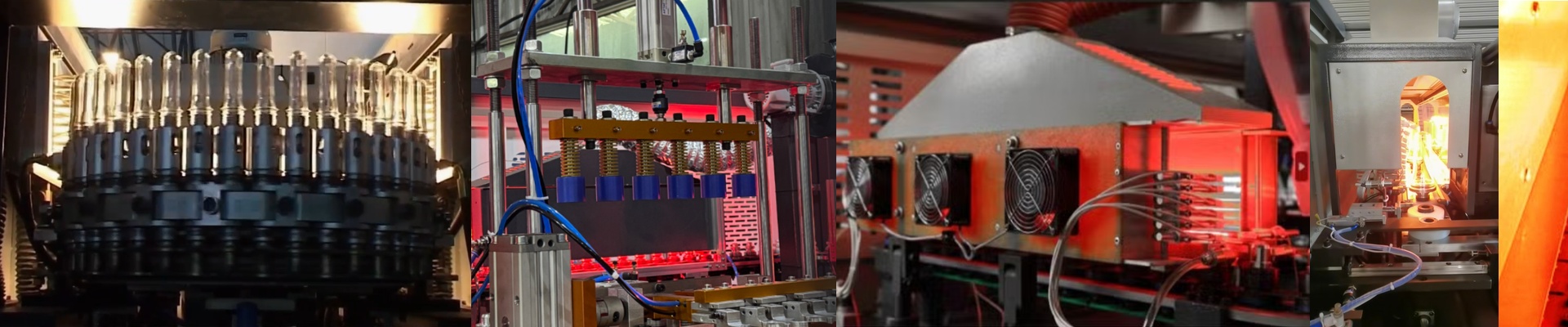
Let’s be honest: most shops are running older, mid-tier blow molding machines that just can’t keep up. You’re staring at the clock, wishing your cycle times were faster, but the idea of dropping a fortune on a brand-new machine is a nightmare. Here’s the secret. You don’t usually need a new machine. You just need better heat. Swapping out your old infrared elements for 2500W Sidel-compatible radiators is one of the easiest ways to squeeze more production out of the gear you already own.
Why 2500W actually matters
It comes down to raw energy. To get a PET preform soft enough to blow in a matter of seconds, you need a serious punch of thermal energy. When you jump up to a 2500W element, you’re basically flooding the plastic with more infrared flux. It hits that “sweet spot” temperature much faster. For you, that means you can either speed up the conveyor or shorten your heating tunnel. **But a heads-up:**check your power supply first. 2500W per lamp adds up fast across a whole oven bank. If your electrical panels are already pushed to the limit, these lamps will trip your breakers before you even get started.
The grit under the hood
We didn’t just throw these together. We used high-purity quartz glass so the IR light actually gets through instead of bouncing around. Then we filled them with halogen gas. Why? Because it stops the filament from evaporating too quickly. It keeps the lamps alive longer. The coating is specifically tuned for short-wave radiation. It doesn’t just sit on the surface; it sinks deep into the PET wall. And since we use standard industrial connectors, they’re pretty much “plug and play.” If the footprint matches your Sidel setup, you can just pop them in. No need to spend your weekend rewiring sockets.
What this looks like on the floor
If you’ve been dealing with dimmed, tired lamps, you know the pain of “cold spots.” That’s usually why bottles burst or end up with thin, weak walls. Fresh 2500W radiators kill those cold spots. It’s a cheap way to get more bottles per hour without the headache of a full overhaul. Just keep one thing in mind: more heat means your cooling molds have to work harder. If your chilled water loop is struggling, you’ll still see deformation, no matter how great your heating is. Get the water cold, get the heat high, and you’re golden.