
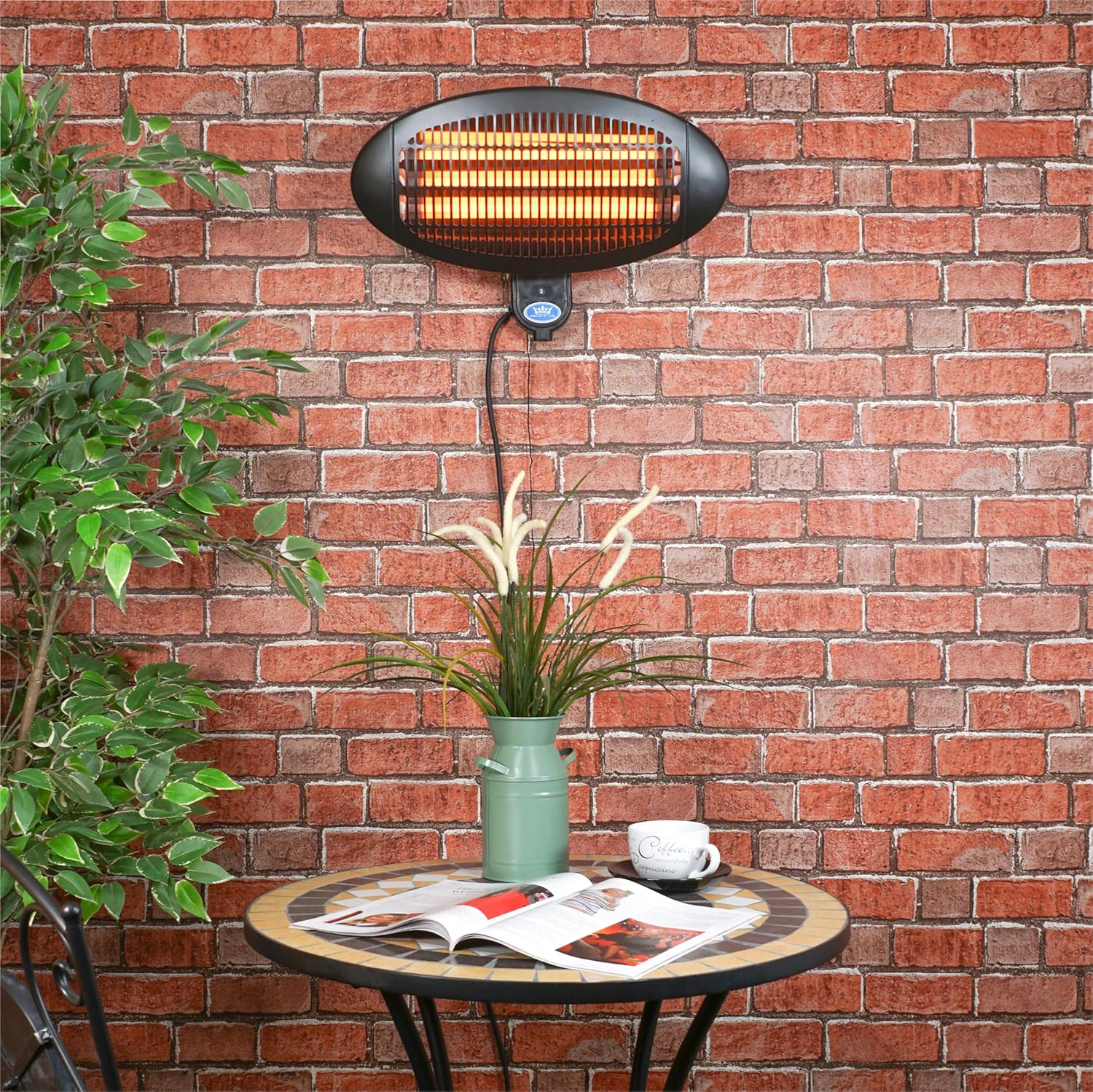
Why Your Bathroom Heater Needs More Than Just a “Waterproof” Label
Putting a high-voltage heater in a shower is basically like inviting a disaster if you don’t do it right. You’ve got steam, splashing water, and electricity all in one tiny space. Most standard quartz tubes just can’t handle that. They’ll pop. That’s why we stick with IP65-rated explosion-proof lamps. It’s about making sure a few water droplets don’t turn into a dangerous electrical short. The problem with heat and water Here is the thing about quartz glass: it handles heat well, but it hates “thermal shock.” Imagine a tube glowing at 600°C. Now imagine a single, cold drop of water hitting it. That creates a tiny, intense point of stress. If the glass isn’t built for this, it cracks. We treat our quartz and seal the end caps so that even if something goes wrong, you aren’t dealing with shards of glass flying across your bathroom. It’s all in the seal You’ll see a lot of heaters claiming to be “waterproof,” but usually, they’re just talking about the outer box. That’s not enough. The real battle is where the lamp meets the power lead. If steam sneaks in there, it eats away at the contacts. You get oxidation, then arcing, and suddenly your lamp is burnt out way sooner than it should be. We focus on a tight, honest seal to keep the power steady and the hardware lasting. The trade-off Now, full disclosure: adding these safety coatings and heavy-duty housing does change things slightly. You might lose a tiny bit of that raw, biting heat penetration compared to a bare tube. But honestly? It’s a trade I’ll make every time for the peace of mind. The trick is in the reflector. We align it specifically so the heat hits you, not the housing. That keeps the outer shell from getting too hot while the lamp does all the heavy lifting. You get the warmth where you want it, and the equipment stays safe.