
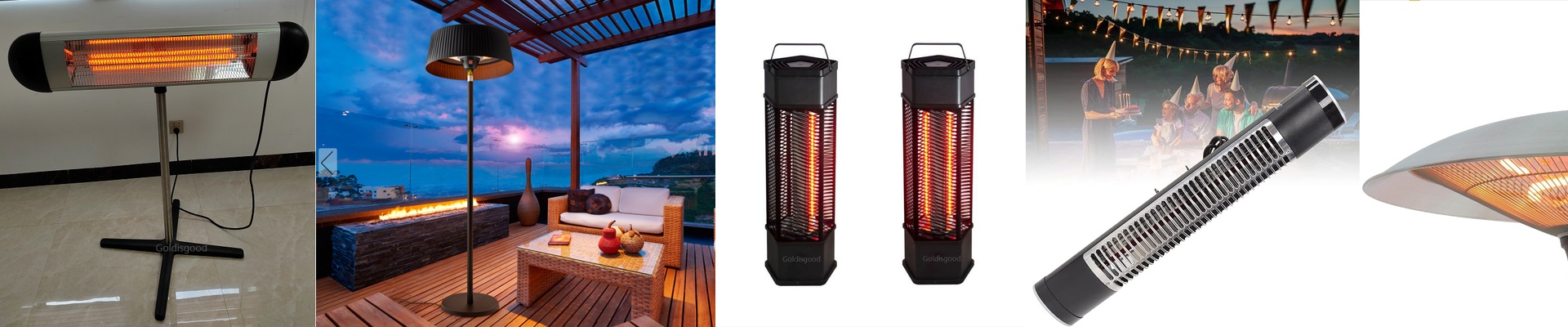
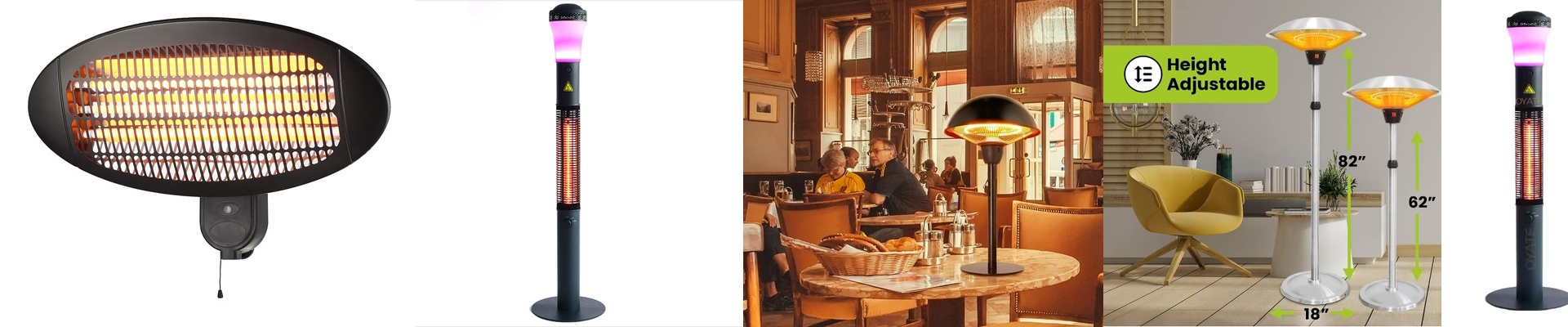

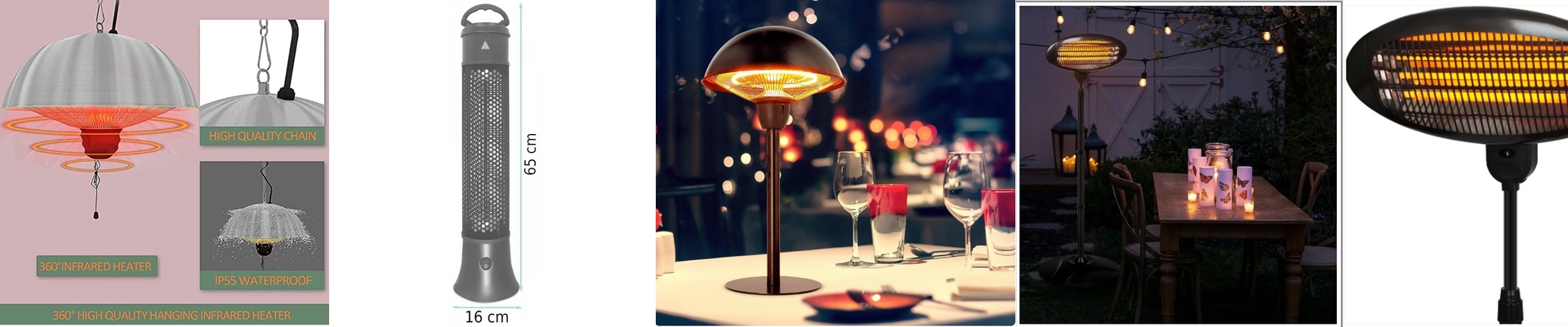
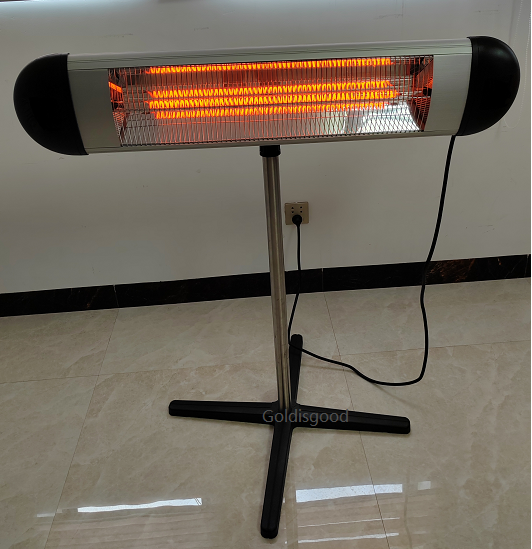
We build pipe heater electric units for industrial line heating—tight spaces, serious heat. Think of them as the workhorses that punch way above their weight in a small footprint.
Power, voltage, size—why it matters
Here’s the thing: when you need a pipe surface to get hot fast, a 400V, 2500W unit hits the sweet spot without pushing the whole system into overkill. You get more heat per inch, so the ramp-up is quick. That means shorter warm-up windows on a busy line, which can make the difference between waiting and getting the job done. And the 300mm length? It’s just right for a lot of pipe diameters—big enough to cover what you need, but short enough to slip into tight fixtures and cramped clearances without a fight.
What’s inside—and why it works
Inside, a halogen element lives in a quartz envelope. That combo throws focused infrared heat that transfers straight into metal surfaces with real punch. Quartz also takes thermal shock in stride, so power cycling doesn’t stress it the way ordinary glass would. Then there’s the R7s connector. Practical choice. It locks in solid at both ends—mechanically and electrically—and makes wiring and replacement in the field straightforward. No fuss, just a secure fit you can count on.
Where it shines—and what to keep in mind
Use this pipe heater electric when you need rapid, localized heat: preheating pipes, keeping them from freezing, or holding steady process temperatures along the line. It slips in easily, and that high heat density means you spend less time waiting and more time running. But—and this matters—2500W at 400V needs a control circuit that’s properly rated. You’ll also want to manage ambient heat near the fixture and make sure there’s adequate cooling. Plan for it, and this heater performs.