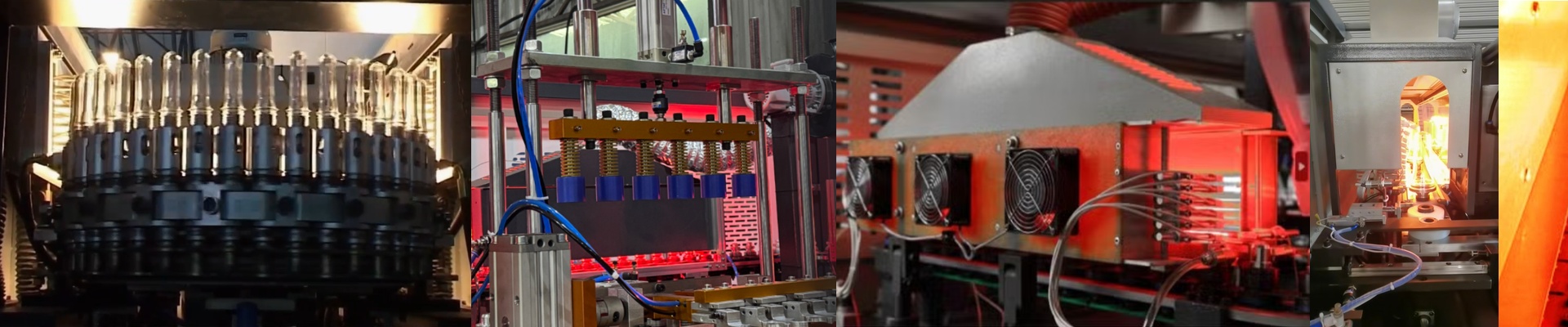
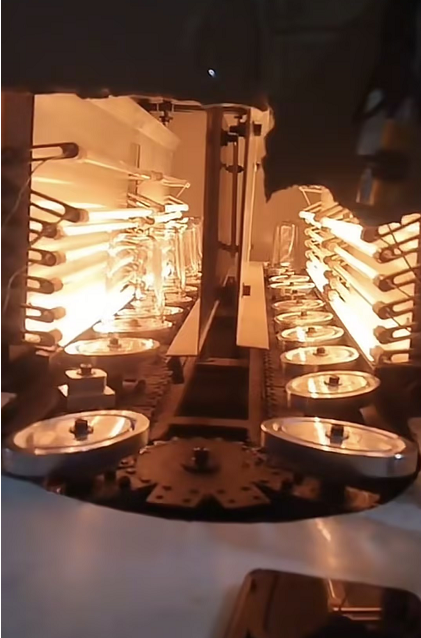
Out on the line, those heavy oil-bottle preforms are brutal on the heating tunnel. Standard emitters tend to leave the neck short and dump too much heat into the body. That shows up as weak biaxial orientation, heavy crystallization, or wall thickness that swings all over the place. When the heat profile is off, you pay for it in scrap and restarts.
What matters under the hood
We built this heater for thick oil preforms around short-wave infrared halogen emitters, paired with quartz tubes for fast response and stable output. The geometry is tuned for thick walls: crank the watt density on the neck and shoulder, then ease off with a smoother ramp along the body. You get a 1:1 match to the OEM heating tunnel specs—voltage, power, length, and R7s connector details—so the lamp drops right in and the control reads true. Setpoints hold, recovery after a jam is quicker, and output stays consistent across the full lamp life.
Here’s why it works on thick oil preforms. They carry a lot of thermal mass, so you need penetration without scorching the surface. Short-wave infrared puts the energy where it needs to be, fast and precise, which helps shorten cycle time and cut down temperature drift. The payoff is fewer underheated shots that blow out, fewer overheated ones that crystallize, and less time chasing one bottle style by tweaking zones. You also save energy because the profile hits equilibrium sooner, and changeovers mean fewer scrap bottles.
Installation is straightforward, but alignment is everything. A sloppy R7s connection gives you uneven heating and will cut lamp life. These emitters run hot, so airflow and keeping reflectors clean are non-negotiable. And with that high power density, the preform has to rotate steadily—any wobble and you’ll get hot spots. Spec the lamp to your machine model and the preform geometry, and the heat profile holds shift to shift, line to line.
ในสายการผลิต ชิ้นงาน preform ขวดน้ำมันที่มีน้ำหนักมากจะส่งผลกระทบรุนแรงต่ออุโมงค์ความร้อน หลอดปล่อยความร้อนมาตรฐานมักจะทำให้คอขวดสั้นและปล่อยความร้อนมากเกินไปไปยังตัวขวด ส่งผลให้การจัดเรียงแบบ biaxial orientation อ่อนแอ การตกผลึกมากเกินไป หรือความหนาของผนังที่มีการเปลี่ยนแปลงอย่างไม่สม่ำเสมอ เมื่อโปรไฟล์ความร้อนผิดเพี้ยน จะต้องเสียค่าใช้จ่ายจากของเสียและการเริ่มต้นระบบใหม่
สิ่งที่สำคัญภายใต้ประสิทธิภาพ
เราออกแบบฮีตเตอร์นี้สำหรับ preform ขวดน้ำมันที่มีความหนามาก โดยใช้หลอดฮาโลเจนอินฟราเรดคลื่นสั้น ร่วมกับท่อควอตซ์เพื่อการตอบสนองที่รวดเร็วและการส่งออกที่เสถียร รูปทรงของฮีตเตอร์ถูกปรับแต่งสำหรับผนังหนาโดยเพิ่มความหนาแน่นของวัตต์ที่คอและไหล่ขวด จากนั้นลดลงอย่างนุ่มนวลตามตัวขวด ทำให้ตรงตามสเปคอุโมงค์ความร้อนของ OEM แบบ 1:1 ทั้งแรงดันไฟฟ้า กำลังไฟ ความยาว และรายละเอียดขั้วต่อ R7s หลอดไฟจึงสามารถติดตั้งได้ทันทีและการควบคุมอ่านค่าได้แม่นยำ จุดตั้งค่าคงที่ การฟื้นตัวหลังจากติดขัดเร็วขึ้น และผลลัพธ์ความร้อนคงที่ตลอดอายุการใช้งานของหลอดไฟ
เหตุผลที่ฮีตเตอร์นี้เหมาะกับ preform ขวดน้ำมันที่หนาคือ ชิ้นงานมีมวลความร้อนสูง จึงต้องการการแทรกซึมความร้อนโดยไม่ทำให้ผิวไหม้ อินฟราเรดคลื่นสั้นจะส่งพลังงานไปยังตำแหน่งที่ต้องการอย่างรวดเร็วและแม่นยำ ซึ่งช่วยลดเวลาวงจรและลดการเปลี่ยนแปลงอุณหภูมิ ผลลัพธ์คือจำนวนช็อตที่ความร้อนต่ำจนแตกน้อยลง ช็อตที่ร้อนเกินจนเกิดการตกผลึกน้อยลง และลดเวลาการปรับแต่งโซนสำหรับแต่ละรูปแบบขวด นอกจากนี้ยังประหยัดพลังงานเพราะโปรไฟล์ความร้อนถึงสมดุลเร็วขึ้น และการเปลี่ยนสายการผลิตส่งผลให้ขวดเสียลดลง
การติดตั้งทำได้ง่าย แต่การจัดตำแหน่งมีความสำคัญมาก การเชื่อมต่อ R7s ที่ไม่แน่นหนาจะทำให้ความร้อนกระจายไม่สม่ำเสมอและลดอายุการใช้งานของหลอดปล่อยความร้อน หลอดเหล่านี้ทำงานที่อุณหภูมิสูง จึงต้องมีการไหลของอากาศและการทำความสะอาดสะท้อนแสงอย่างสม่ำเสมอ และด้วยความหนาแน่นของพลังงานสูงนี้ preform ต้องหมุนอย่างมั่นคง หากมีการสั่นสะเทือนจะเกิดจุดร้อน กำหนดสเปคหลอดให้เหมาะสมกับรุ่นเครื่องจักรและรูปทรง preform เพื่อให้โปรไฟล์ความร้อนคงที่ตลอดการเปลี่ยนกะและระหว่างสายการผลิตแต่ละสาย